
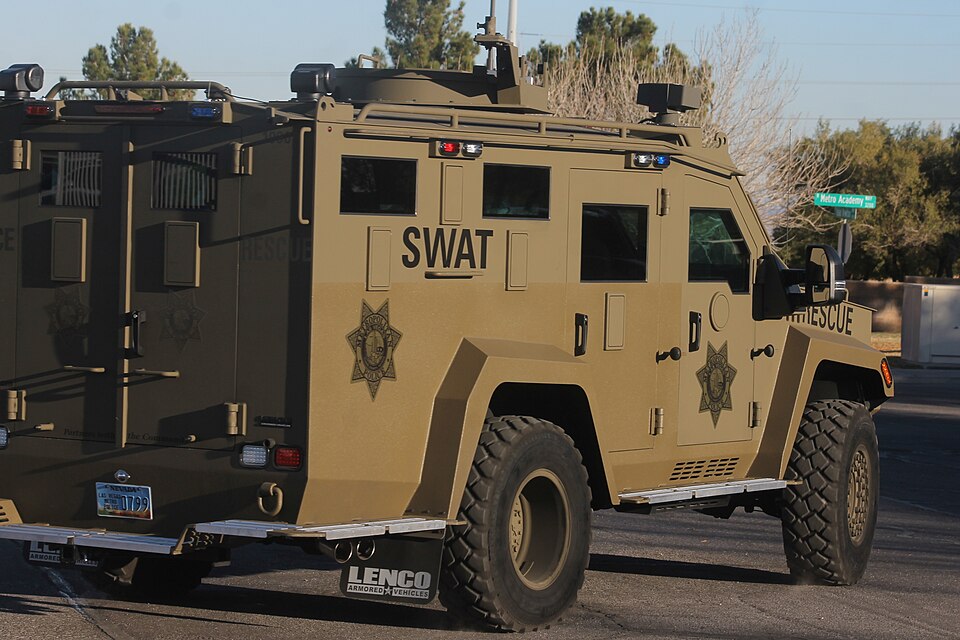
On March 13, a blast at a specialized training center in Orange County, California, wounded sixteen members of a SWAT team. The incident occurred during a session designed to replicate high‑risk scenarios that these officers confront in the field.
SWAT, an acronym for Special Weapons and Tactics, denotes units that are called upon for the most dangerous assignments—hostage rescues, barricaded suspects, active‑shooter situations, and similar emergencies. Participation in these teams is voluntary, and members train for circumstances where a single error can be fatal. The training complex where the explosion happened is equipped with modern facilities intended to simulate the chaos of real operations.
According to the report, the center incorporates tools such as simunition, flashbangs and breaching charges, all meant to provide realistic yet controlled experiences for officers wearing body armor and handling automatic weapons and high‑caliber sniper rifles. While investigators have not yet determined the cause of the blast, the extent of the injuries indicates a powerful detonation capable of affecting an entire squad inside a structure built to contain such events.
The ongoing inquiry will focus on three primary areas: The report does not detail the severity of the injuries, leaving it unclear how many of the officers will return to duty. Regardless of individual outcomes, the blast has drawn attention to a training process that typically operates out of public view. Public confidence in SWAT units rests on their specialized capabilities, advanced weaponry, heavy armor, and the authority to employ lethal force when required.
An event that injures a sizable portion of a team can affect that trust, prompting calls for greater transparency and oversight. In the wake of the explosion, training facilities nationwide are expected to conduct internal reviews of their equipment and procedures.
The goal will be to determine whether simulations are overly realistic and to implement measures that prevent similar incidents. The immediate priority remains the investigation into the cause of the blast. Its findings will shape both short‑term corrective actions at the Orange County center and longer‑term policy decisions affecting SWAT training across the country.




