
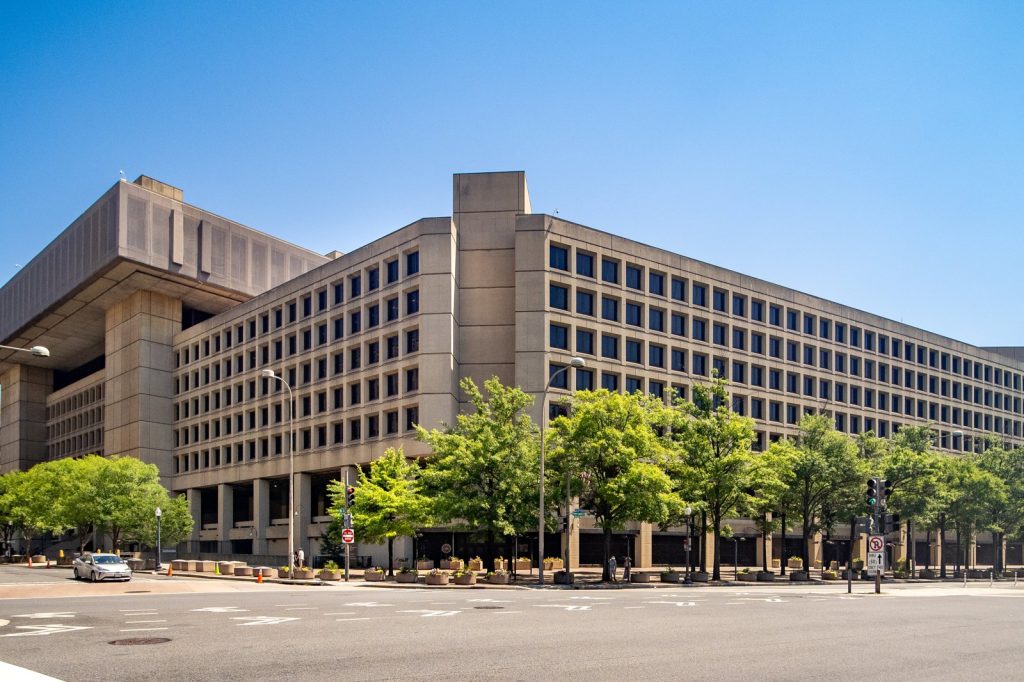
WASHINGTON, July 7 — The figure that matters is $1 billion. That is what the National Insurance Crime Bureau reported in 2024 as the annual cost of construction site thefts to the U.S. economy. The FBI now warns that a significant portion of that loss is being driven by organized theft rings specifically targeting construction sites for AI data centers.
The Federal Bureau of Investigation’s Criminal Investigative Division issued the warnings in 2024, detailing a pattern of highly coordinated criminal operations. These rings use surveillance to identify vulnerable sites, then steal large quantities of copper and equipment.
The stolen goods are frequently transported across state lines and sold to scrap metal recyclers, some of whom may be complicit in the scheme.
By the numbers: A $1 billion problem with a specific target
The thefts are part of a broader trend of organized crime hitting critical infrastructure. The FBI notes the rings are not limiting themselves to data centers. Telecommunications and energy sites are also being targeted.
But the rapid expansion of AI data center construction has created a new, high-value target for these groups. One case from 2025 illustrates the scale.
A ring operating in Arizona and Texas was arrested for stealing over $1 million in equipment from multiple data center sites. The bottom line: these are not opportunistic thefts by individuals. They are professional operations with reconnaissance, logistics, and a distribution network.
The FBI has urged developers to enhance security and report suspicious activity. Investors will note that the cost of these thefts is ultimately borne by the companies building the data centers, and by extension, their insurers and customers.
How the rings operate
The FBI’s description of the rings’ methods is precise. They conduct surveillance to identify sites with weak security. They target copper wiring and expensive equipment that can be quickly removed and sold.
The stolen materials are then moved across state lines, making investigation more complex. Scrap metal recyclers are a key link in the chain.
Some recyclers knowingly purchase stolen materials, providing a ready market for the thieves. Others may be unwitting participants, but the FBI’s warning suggests the problem is systemic enough to warrant specific mention of recycler involvement. The construction boom for AI data centers has created a surge in demand for copper and specialized equipment.
That same demand makes the stolen goods easy to sell. The economics are straightforward: high demand for materials, combined with sprawling construction sites that are difficult to secure, creates an environment where organized theft can flourish.
Broader implications for critical infrastructure
The NICB’s $1 billion annual figure for construction site thefts covers all types of construction. But the FBI’s specific focus on AI data centers signals a growing concern within law enforcement. These data centers are not ordinary buildings.
They are essential infrastructure for the AI industry, which itself is a national security and economic priority. Disruptions to data center construction can delay AI development.
Theft of specialized equipment can also create supply chain bottlenecks, as replacement orders may take weeks or months to fulfill. For companies racing to build AI capacity, these delays carry significant financial consequences. The broader trend of organized crime targeting critical infrastructure is well established.
The FBI has previously warned about theft rings hitting telecommunications towers and energy facilities. The addition of AI data centers to that list is a logical expansion, given the value of the materials on site and the relative vulnerability of large construction projects.
What comes next
The FBI’s advice to developers is clear: enhance security and report suspicious activity. For an industry accustomed to focusing on cybersecurity, the threat of physical theft may be a new consideration. Developers will need to invest in perimeter security, surveillance systems, and protocols for tracking valuable materials on site.
Law enforcement coordination across state lines will also be critical. The Arizona-Texas case shows that these rings operate regionally, not locally.
Multi-jurisdictional task forces may be needed to dismantle the networks that transport and sell stolen goods. The NICB’s $1 billion figure is a baseline. If the trend continues, that number could rise as more data centers break ground.
For investors, developers, and insurers, the cost of organized crime targeting AI infrastructure is a risk that demands attention.




