
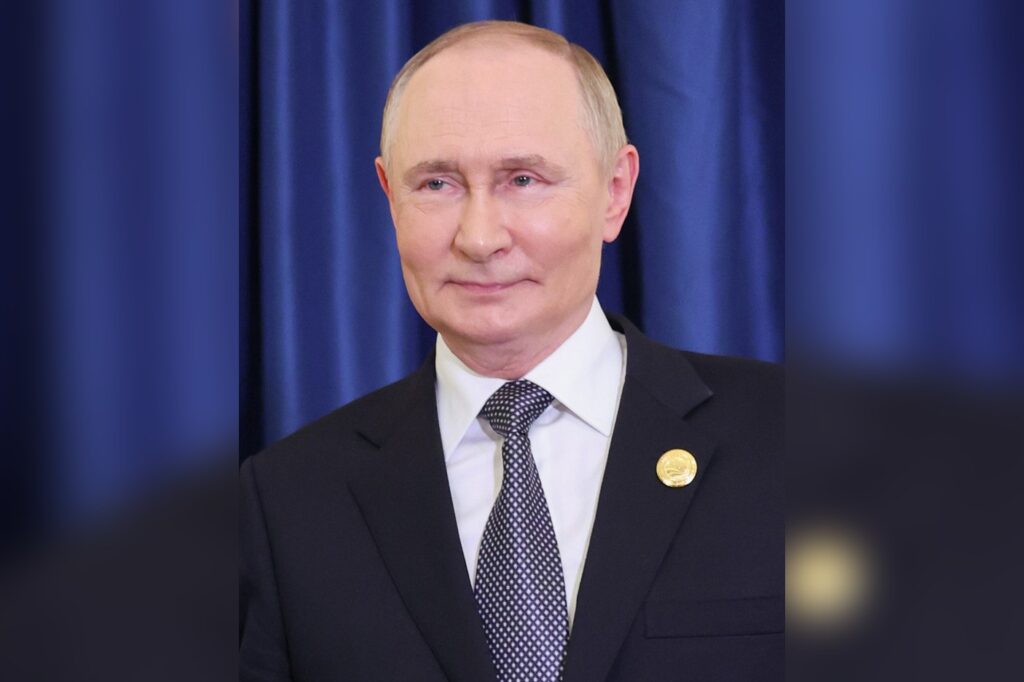
The Road to the Kremlin
Putin was born in Leningrad on October 7, 1952, into the Soviet era. After studying law at Leningrad State University, he joined the KGB in 1975, serving as a foreign intelligence officer for 16 years. He left the agency in 1991 at the rank of lieutenant colonel, as the Soviet Union itself was collapsing, and entered politics in his hometown. His career moved to Moscow under President Boris Yeltsin, where he held posts as director of the Federal Security Service — the KGB’s successor — and secretary of the Security Council. After a stint as prime minister, Putin became acting president on December 31, 1999, when Yeltsin resigned abruptly. He won his first presidential election shortly after. To comply with term limits, Putin served as prime minister from 2008 to 2012 while Dmitry Medvedev occupied the presidency, then returned to the top office. Later, he signed constitutional changes that allow him to seek reelection again, extending his potential hold on power for years to come.
During his early leadership, Russia’s economy grew as global oil and gas prices rose. He also launched military efforts to regain control over Chechnya, then waged the Russo-Georgian War in 2008. Russia intervened in the Syrian civil war beginning in 2015, propping up the Assad government.
From Crimea to Full-Scale War
In 2014, Putin ordered the annexation of Crimea from Ukraine, triggering the war in Donbas and the first wave of Western sanctions. That conflict remained frozen for eight years, until the Kremlin’s calculus shifted. On February 24, 2022, Putin ordered the full-scale invasion of Ukraine. The Kremlin has consistently described the operation as a “special military operation” aimed at demilitarizing and denazifying Ukraine. Those justifications have been widely rejected by the international community.
The invasion, now in its third year, remains the central geopolitical crisis of Putin’s rule. Its consequences have been far-reaching. Russia has faced extensive international sanctions targeting its financial institutions, energy exports, defense industries, and individuals close to the Kremlin. The economic pressure has contributed to a financial crisis inside Russia. Meanwhile, the war has reshaped Russia’s relationship with virtually every major power, drawing global condemnation and triggering a fundamental reassessment of European security architecture.
The Cost of a Quarter-Century in Power
On March 17, 2023, the International Criminal Court indicted Putin for war crimes specifically related to the deportation of children from Ukraine. The indictment continues to limit Putin’s international travel: any state party to the Rome Statute would be obligated to arrest him if he set foot on its soil. This legal constraint has practical implications for diplomacy, forcing Russia to choose venues carefully for international meetings.
Putin’s long tenure has shifted Russia’s relationship with the world. Decisions regarding Ukraine and other regions have triggered global condemnation. The resulting sanctions and legal indictments affect international diplomacy and global security. With the war in Ukraine grinding through its third calendar year and no end in sight, Putin faces challenges that test the durability of his system. The constitutional changes he championed allow him to remain in office for years to come, but the economic, diplomatic, and legal costs of his quarter-century in power continue to mount.
{“@context”: “https://schema.org”, “@type”: “NewsArticle”, “headline”: “From KGB Officer to Kremlin Leader: Putin’s Unlikely Political Rise to Power”, “description”: “The Road to the Kremlin Putin was born in Leningrad on October 7, 1952, into the Soviet era. After studying law at Leningrad State University,…”, “datePublished”: “2026-07-15T09:30:00+00:00”, “author”: {“@type”: “Person”, “name”: “Merry Gel Sigui”}, “publisher”: {“@type”: “Organization”, “name”: “InfoPulse Today”, “url”: “https://newsfeed.2bme.xyz/”}}




