
WASHINGTON, June 17 — The Middle East has never been a region of understatement, and the latest rhetoric from its leaders is a stark reminder of this reality. Sometimes, the harsh words are meant as deterrence, performance, or a way to rally supporters, while other times they can be a warning label attached to a real program.
The honest answer to whether they really mean it is: sometimes yes, sometimes no. A sharp increase in threats and boasts from leaders in the region has raised questions about the sincerity of their words. Americans and Europeans, trained on diplomatic language and press-release caution, often struggle to understand the nuances of Middle Eastern rhetoric.
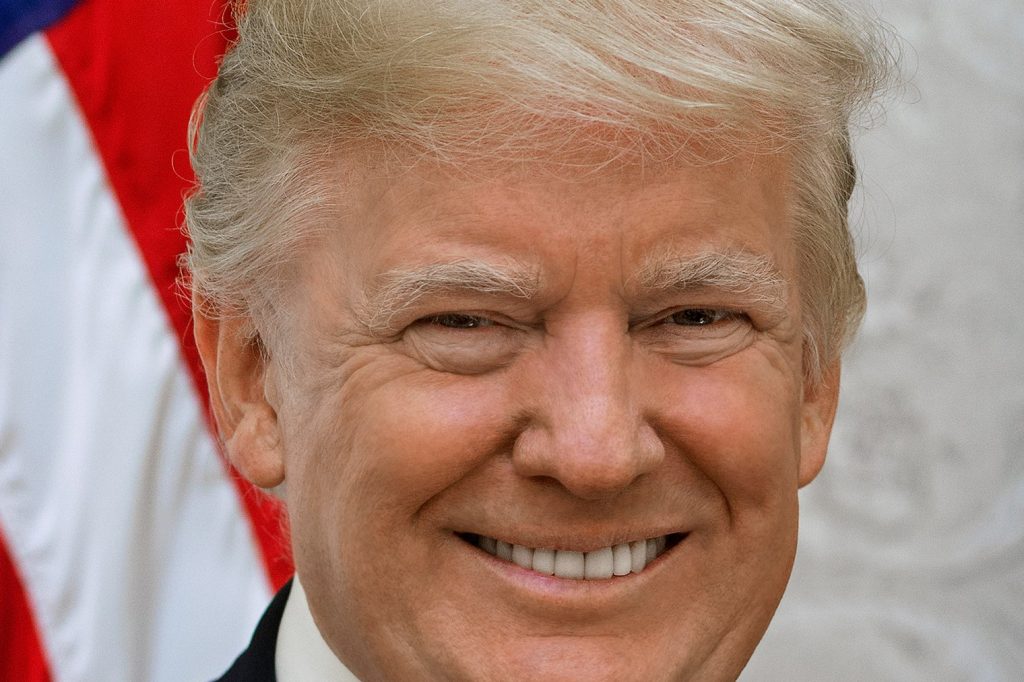
The mistake is not taking harsh rhetoric seriously, but also not taking all harsh rhetoric the same way. President Trump’s recent comments on Iran are a case in point. Angry over conflicting reports about a possible agreement with Iran, he called the Iranians dishonorable and accused them of bad faith.
He also warned that they had better get their act together fast, and reportedly said the United States had hit Iran hard and would hit it hard again. These words are part of a larger pattern of rhetoric in the region, where threats are issued in thunder and leaders promise crushing blows.
The figure that matters is not the number of threats or boasts, but the context in which they are made. By the numbers, it is clear that the region is a complex web of alliances and rivalries, where words can be both a weapon and a warning. Investors will note that the situation is volatile, and the bottom line is that the rhetoric can have real-world consequences.
As the situation continues to unfold, one thing is clear: the language of threat in the Middle East is not always casual exaggeration. It can be a way to shape negotiations, preserve honor, or frighten enemies. The US administration will need to navigate this complex landscape carefully, taking into account the nuances of Middle Eastern rhetoric and the potential consequences of their words.
Looking ahead, the key will be to distinguish between rhetoric that is meant as deterrence and rhetoric that is a warning label attached to a real program. The US administration will need to be cautious in its approach, taking the rhetoric seriously while also understanding the context in which it is made.
As the situation continues to evolve, one thing is certain: the language of threat in the Middle East will remain a critical factor in shaping the region’s dynamics.




