
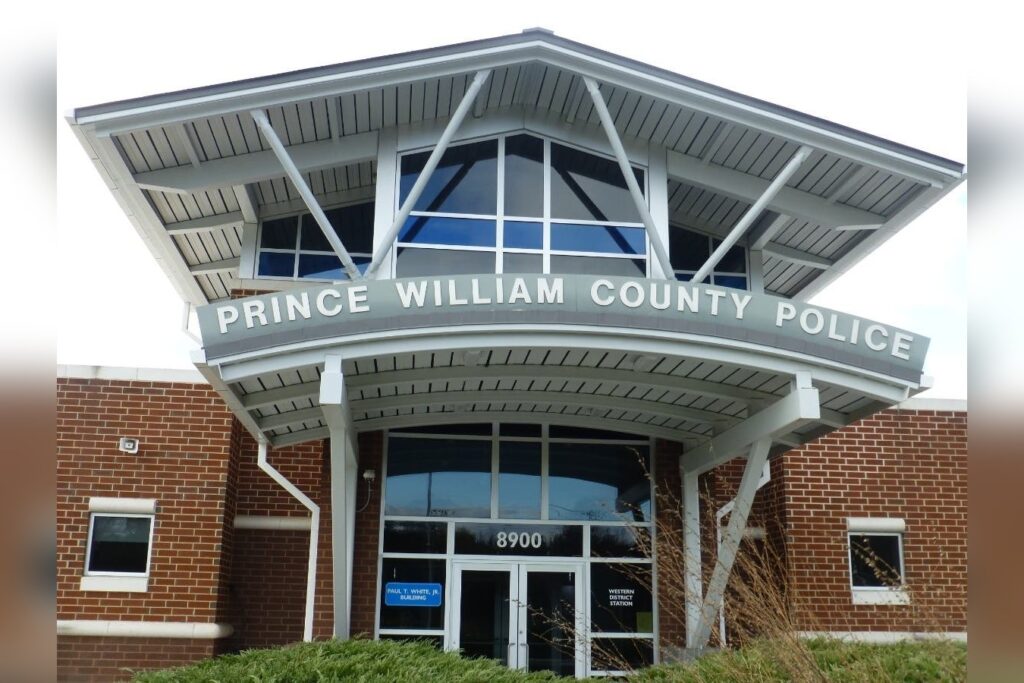
WOODBRIDGE, July 7 — Copper theft has become a persistent headache for the data center construction boom in northern Virginia, and the Prince William County Police Department is now pointing to a multi-jurisdictional task force as its primary weapon against organized crews. The department reported making 15 arrests directly tied to copper theft from construction sites between January 2022 and June 2023, according to department press releases. Those numbers capture only one county’s effort in a region that hosts a dense concentration of data centers.
Here’s what the practical upshot looks like: when a construction crew leaves a half-built data center site overnight, copper grounding wire and heavy-gauge cable become prime targets. Thieves strip them out in hours, causing thousands of dollars in delays and replacement costs.
In 2023, Prince William County police formed a task force with neighboring Loudoun County and Fairfax County police departments. The goal is straightforward — share intelligence on organized theft rings that cross county lines as easily as delivery trucks. Think of it like a neighborhood watch for industrial infrastructure.
A crew that hits a site in one area one night might try another area the next. Without coordinated information sharing, each county’s detectives would be working blind to patterns the thieves themselves see clearly.
The Virginia State Police launched their own copper theft initiative in 2022, which led to 50 arrests statewide. That state-level effort gives local departments backup when investigations point to larger criminal networks operating across multiple jurisdictions.
The federal angle and the enforcement gap
On the federal side, the 2021 Copper Theft Prevention Act requires scrap metal dealers to maintain records of transactions. In plain terms, it means a recycler who buys a truckload of heavy-gauge copper wire is supposed to document who sold it and when. But enforcement varies significantly from jurisdiction to jurisdiction.
Some dealers keep meticulous records; others treat the requirement as optional paperwork. That inconsistency creates an easy channel for thieves to convert stolen copper into cash with little scrutiny.
The practical challenge for police is that copper itself is indistinguishable from legitimate scrap once it arrives at a recycling yard. Without serial numbers or markings, proving a particular batch came from a specific construction site requires either a confession, a witness, or surveillance footage connecting the suspect to the scene. Prosecutors face their own hurdles.
Copper theft is often charged as petty larceny or trespassing unless the value of the stolen material crosses a felony threshold. Organized rings know this and sometimes limit each haul to stay below that line, treating the risk as a calculated cost of doing business.
Why data centers are the target
Northern Virginia’s data center corridor, which stretches through Loudoun, Prince William, and Fairfax counties, is under constant construction. New facilities rise in phases, meaning miles of exposed copper cabling sit on sites for months before buildings are sealed and energized. That construction pipeline makes the region a target-rich environment.
A single data center campus might contain tens of thousands of pounds of copper wire running through conduits, between server racks, and into backup generator systems. Thieves don’t need to steal all of it — even a few hundred pounds can net several thousand dollars at a scrap yard.
The copper theft problem isn’t new, but the scale of data center construction has amplified it. Where a residential construction site might have a few hundred feet of wiring, a single data center hall can have miles of it.
What to watch next
The task force model in northern Virginia is relatively young, and its effectiveness will depend on whether the three counties can sustain the coordination over time. Budget pressures, staffing shortages, and shifting crime priorities could all affect how long the joint effort continues. The Virginia State Police initiative, which produced 50 arrests in its first year, suggests that state-level resources can make a dent.
Whether those arrests lead to convictions and deterrence is a separate question that will take longer to answer. For now, the practical reality for data center developers is that copper theft remains a cost of doing business in the region.
The task force is a response, not a solution — and the thieves, like the data centers themselves, show no signs of leaving northern Virginia anytime soon.




