
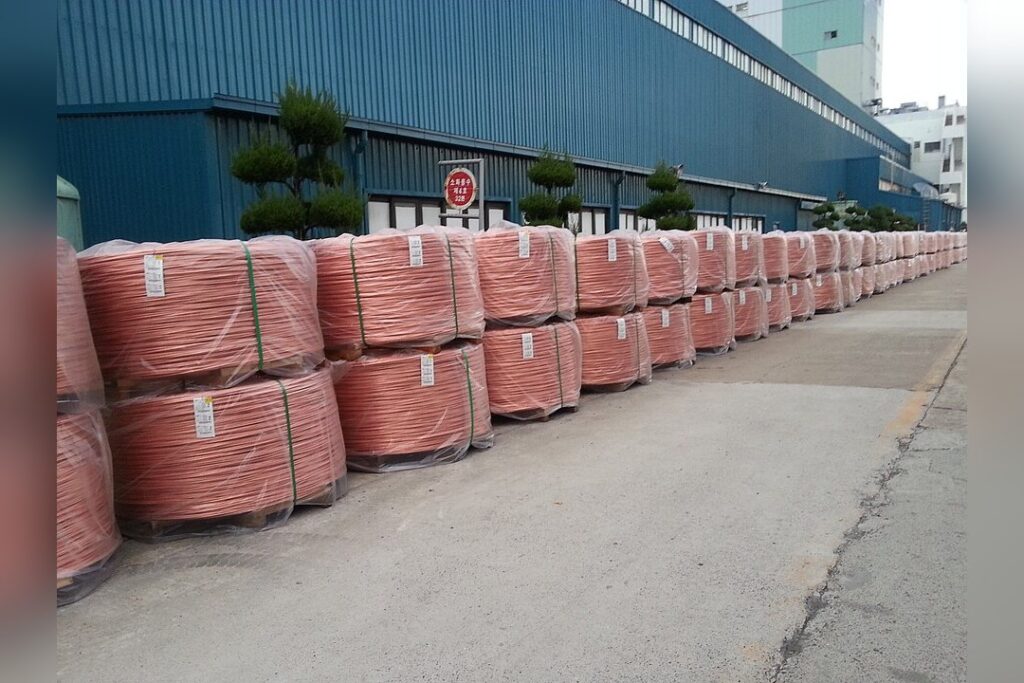
The rapid expansion of artificial intelligence infrastructure across the United States has created an unexpected vulnerability: the copper wiring buried beneath data center floors is being systematically stolen by organized crime networks. The thefts, driven by surging metal prices and the enormous quantities of copper now installed at construction sites, have cost American businesses an estimated $1.2 billion annually in nonferrous metal thefts, with data center construction emerging as a leading sector, according to the FBI’s 2024 report.
The Scale of the Theft
Copper is essential to data center operations. The metal’s high thermal and electrical conductivity makes it the primary material for grounding, power distribution, and network connections in these facilities.
According to the U.S. Department of Energy, data center construction consumed 12 percent of all copper used in the United States in 2024, up from 8 percent the previous year. That concentration of high-value metal, often left unguarded during construction, has drawn the attention of thieves who can sell it to scrap yards for $4 to $6 per pound with few questions asked in many states. The Institute of Scrap Recycling Industries estimates that 30 percent of scrap copper transactions in 2024 involved stolen material, though the organization acknowledges that exact figures are difficult to verify.
The price incentive has been unambiguous. On the London Metal Exchange, copper rose from $8,500 per metric ton in January 2024 to $10,200 per metric ton in March 2025 — a 20 percent increase.
Every ton of wiring sitting in a half-built server hall represents a significant payout for anyone willing to cut and haul it away. The scale of the problem is hard to pin down precisely, but the available figures are stark. The FBI’s $1.2 billion annual figure for nonferrous metal theft covers all industries, but the concentration of copper at data center construction sites makes them a particularly attractive target.
Copper has been used by humans since around 8000 BC, was the first metal smelted from sulfide ores and the first cast into molds, and by 3500 BC was alloyed with tin to create bronze. Its ability to conduct electricity later made it a primary material for modern wiring and building construction.
The metal is used in jewelry, marine hardware, and coins, and also appears in fungicides and wood preservatives. Because it is essential for oxygen metabolism, the metal is necessary for all aerobic organisms. This wide range of utility creates a constant global demand that, when combined with rising infrastructure needs, turns availability into a matter of economic and physical security.
Organized Crime and Security Responses
This is not opportunistic petty crime. The U.S. Department of Homeland Security issued a bulletin in February 2025 noting that organized crime groups are using GPS trackers on stolen copper to monitor police movements. That detail suggests a level of sophistication that goes well beyond the traditional scrap-metal thief.
Groups are not just stealing the copper; they are actively tracking law enforcement responses to protect their supply chain. The scrap market itself is the enabler.
With copper fetching $4 to $6 per pound at yards that do not always demand proof of ownership, the economics favor the thief. The DHS bulletin on GPS-tracked stolen copper indicates that organized crime has already adapted to whatever surveillance measures are in place. Data center operators may need to invest in more robust on-site security, including real-time monitoring of copper stocks and tamper-proof cabling systems. The scrap industry faces pressure to tighten verification of copper sources, though the Institute of Scrap Recycling Industries’ estimate that 30 percent of transactions involve stolen material indicates how deeply the problem runs.
Without a system that makes it harder to sell stolen copper, the economics will continue to favor the thieves.
The Economic Drivers
Under the hood of the AI boom sits a vast physical infrastructure. Every new data center requires extensive copper cable for grounding, power distribution, and network connections. The Department of Energy’s figures show that the sector’s share of U.S. copper consumption jumped by half in a single year, from 8 percent to 12 percent.
That increase reflects the pace of construction, not just for cloud computing but for the specialized facilities needed to train and run large AI models. The price of copper on the London Metal Exchange has been the underlying driver.
The 20 percent rise from January 2024 to March 2025 made the metal more valuable at the scrap yard, and the construction sites became warehouses of opportunity. As ever, where there is value and vulnerability, theft follows. The response from the industry and law enforcement will determine whether this trend accelerates or abates.
For now, the wiring that powers the AI revolution remains a tempting target, and the price of copper will likely determine whether that temptation grows stronger.
{“@context”: “https://schema.org”, “@type”: “NewsArticle”, “headline”: “Copper thefts surge as AI data centers fuel metal crime wave”, “description”: “WASHINGTON, July 8 — The rapid expansion of artificial intelligence infrastructure across the United States has created an unexpected vulnerability: the copper wiring buried beneath…”, “datePublished”: “2026-07-08T09:30:00+00:00”, “author”: {“@type”: “Person”, “name”: “Reza Karimi”}, “publisher”: {“@type”: “Organization”, “name”: “InfoPulse Today”, “url”: “https://newsfeed.infopulsetoday.com/”}}




