
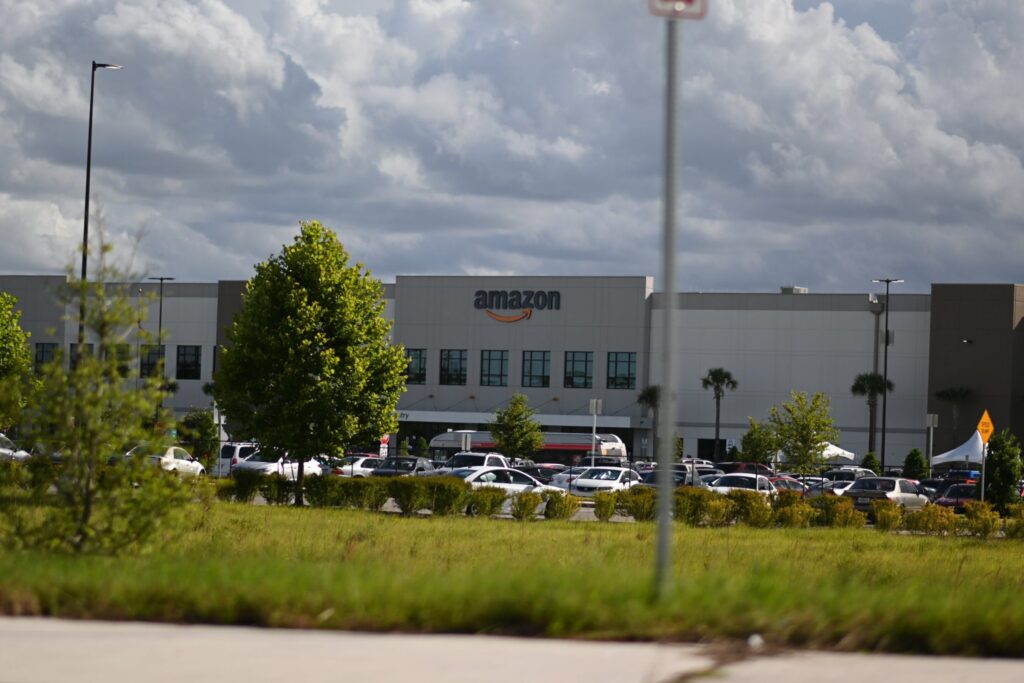
SEATTLE, July 7 — The construction cranes that have come to define the skyline of northern Virginia’s data center alley are now sharing the horizon with drones. Amazon Web Services, Microsoft, and Google are pouring tens of billions into AI infrastructure, but a new kind of bottleneck has emerged at their sprawling construction sites: copper thieves. AWS plans to invest $150 billion globally in data centers over the next decade, per company announcements.
Microsoft has committed $50 billion to AI infrastructure through 2025, and Google $30 billion. The scale is staggering.
Over 100 new data centers are being built in the United States annually, according to the U.S. Census Bureau. Yet on the ground, project managers describe a persistent problem that can stop work cold. Copper thefts at construction sites can delay projects by two to four weeks, according to a 2023 report by the construction firm Turner & Townsend.
Each week of delay costs an estimated $1 million to $5 million in lost revenue and labor, based on industry averages from the Uptime Institute. A single 2023 theft at a Microsoft data center site in Texas, for example, delayed the project by three weeks, costing an estimated $3 million.
The thefts strike at a vulnerable moment. Data centers under construction are vast, open sites filled with high-value copper wiring and cabling that is both easily accessible and lucrative on the black market. By nightfall, these sites become targets.
The delays do not just cost money; they ripple directly into the rollout of AI services like ChatGPT and Google Gemini, which depend on these data centers for the immense computing power needed to run their models.
Security Takes Flight
The tech giants are now fighting back. Companies are investing in security technologies including drone surveillance and AI-powered cameras designed to detect intruders before they can strip a site. The drones offer a bird’s-eye view that ground patrols cannot match, scanning acres of equipment and materials.
AI-powered cameras can be trained to recognize the specific movements of a person carrying copper, distinguishing them from authorized workers. But the sheer scale of construction presents a challenge.
With over 100 new data centers rising across the U.S. annually, comprehensive security remains difficult. A single site can span dozens of acres, with multiple entry points and hundreds of workers coming and going each day. The copper is everywhere—in wiring, in grounding systems, in the massive electrical infrastructure that will eventually power thousands of servers.
For Amazon Web Services, the stakes are particularly high. The company’s $150 billion, decade-long commitment dwarfs its competitors’ spending.
Each stolen spool of copper represents not just a material cost but a delay in bringing new computing capacity online. In the race to dominate AI, every week counts.
An Industry-Wide Problem
The problem is not limited to any one company or region. Microsoft’s Texas incident in 2023 serves as a case study in the costs involved. A three-week delay on a single project, costing an estimated $3 million, illustrates how quickly thefts escalate.
The Uptime Institute’s industry averages suggest the actual cost could be even higher, depending on the project’s stage and complexity. The Turner & Townsend report’s finding that thefts can delay projects by two to four weeks points to a systemic vulnerability.
Construction sites are inherently insecure, with materials arriving in bulk and security often focused on the finished building rather than the raw materials. Copper’s high scrap value makes it a persistent target, and the rapid pace of data center construction has created an abundance of targets. The delays also have a cascading effect on the broader AI ecosystem.
ChatGPT and Google Gemini rely on the computing power these data centers provide. When a data center is delayed, the capacity to train new models or serve existing users is pushed back.
For companies racing to deploy AI, that can mean lost market share and missed opportunities.
What to Watch Next
The industry is now watching to see whether the new security measures will be enough. Drone surveillance and AI-powered cameras represent a significant investment, but the thieves are also adapting. The scale of construction—over 100 new sites annually—means that security teams are stretched thin.
For every site with a drone overhead, there may be another where the cameras are not yet installed. The companies are also likely to face pressure from investors to demonstrate that these investments are paying off.
The cost of security technology must be weighed against the cost of delays. For AWS, with its $150 billion commitment, even a small improvement in security could save hundreds of millions over the next decade. On the ground in northern Virginia and across the country, the construction continues.
The drones are in the air, the cameras are watching, and the copper is still being laid. The question is whether the technology can stay ahead of the thieves.




