
WASHINGTON, July 7 — The calculus around securing America’s artificial intelligence infrastructure is shifting, and not just because of foreign adversaries. The FBI has identified a growing threat from organized criminal groups specifically targeting copper at AI data center construction sites, a problem that signals a broader vulnerability in the nation’s tech buildout. According to the FBI’s 2023 report on metal theft, these operations are not opportunistic smash-and-grab affairs.
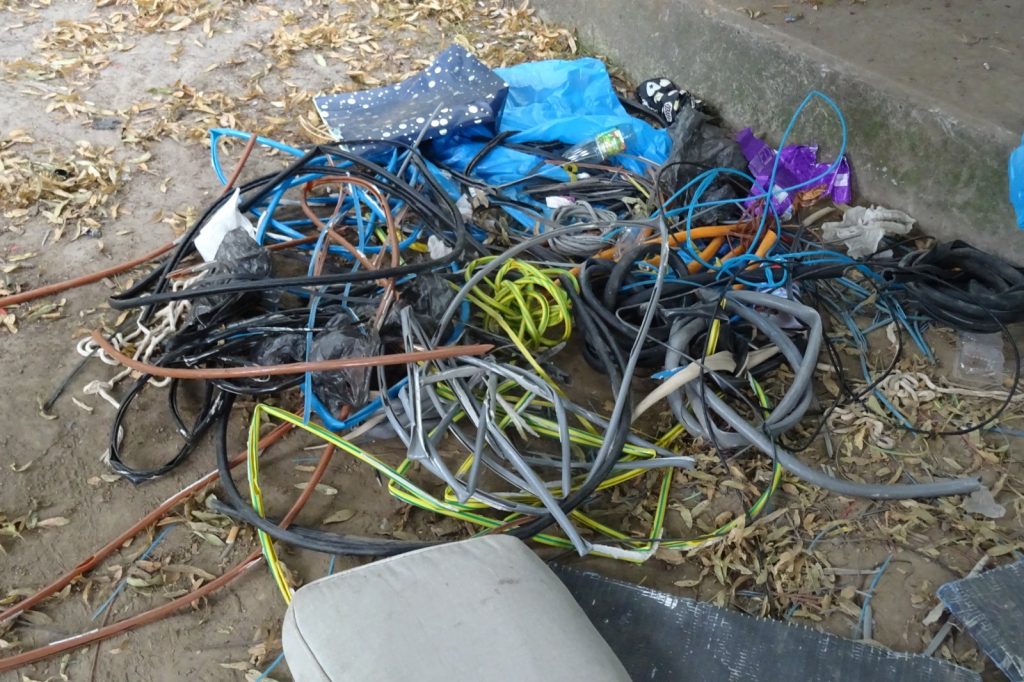
Thieves operate at night, using pickup trucks to haul away stolen copper wiring, grounding cables, and even heavy equipment like backup generators. They employ battery-powered angle grinders and bolt cutters to sever cables, and they often disable security cameras beforehand.
Strategically, this is not petty crime; the FBI notes these groups are frequently linked to larger criminal networks involved in drug trafficking and money laundering. The broader stakes for the data center industry are substantial. In a 2023 case in Mesa, Arizona, police arrested three suspects who had stolen $200,000 worth of copper from a Microsoft data center site.
The suspects were found with a stolen truck and cutting tools. That single incident illustrates the scale of the problem, but the structural challenge runs deeper.
The Construction Industry Institute (CII) reports that 60% of copper thefts at construction sites involve inside information, suggesting collusion with employees or contractors. This is a strategic vulnerability that goes beyond simple perimeter security. If a significant percentage of thefts rely on insider knowledge, then the calculus for data center operators must include vetting and monitoring their own workforce, not just locking the gates.
Thieves sell the stolen copper to scrap yards, often using fake IDs or forged documents to evade detection. The Institute of Scrap Recycling Industries (ISRI) has implemented a ‘Scrap Theft Alert’ system, which has helped recover $10 million in stolen metals since 2020. That is a meaningful intervention, but enforcement remains challenging due to the high volume of scrap transactions and limited police resources.
The sheer scale of legitimate scrap trade makes it difficult to flag every suspicious transaction. What this signals for the broader geopolitical picture is that America’s race to build out AI infrastructure is creating new opportunities for organized crime.
The same data centers that are critical for national competitiveness and security are, at the construction phase, highly exposed. The theft of copper wiring and grounding cables can delay projects, drive up costs, and potentially compromise the security of unfinished facilities. The FBI’s identification of organized criminal groups as the primary actors in these thefts changes the threat assessment.
This is not a problem that can be solved solely by better locks or more security guards. The connections to drug trafficking and money laundering mean that local police departments are often outmatched.
The broader stakes involve a coordinated response that may require federal resources and cross-jurisdictional cooperation. For the construction industry and the tech companies building these facilities, the calculus is clear: the insider threat is significant, and the scrap metal market provides a ready outlet for stolen goods. The ISRI alert system is a useful tool, but it is reactive.
The challenge is to disrupt the supply chain before the copper reaches the scrap yard. Looking ahead, the key question is whether the industry and law enforcement can adapt faster than the criminal networks. The Mesa case shows that arrests are possible, but the FBI’s report suggests that the problem is systemic.
For every group caught, others are likely operating. The broader stakes for the nation’s AI infrastructure mean that this is not just a property crime issue; it is a strategic vulnerability that demands a strategic response.




