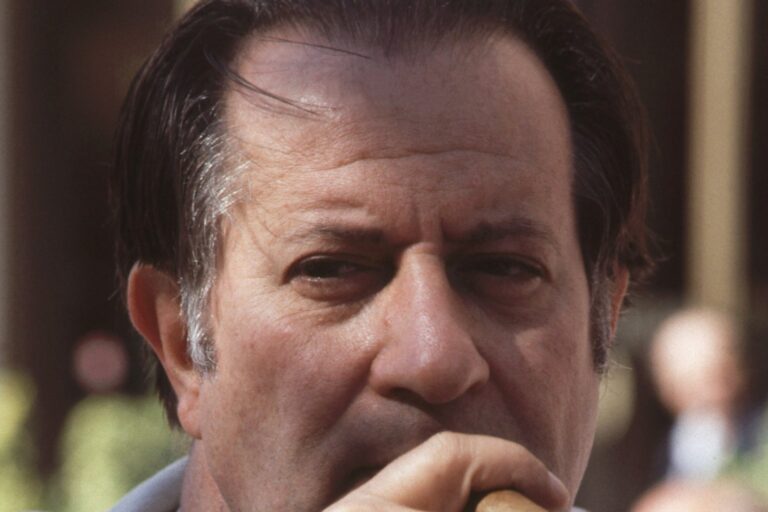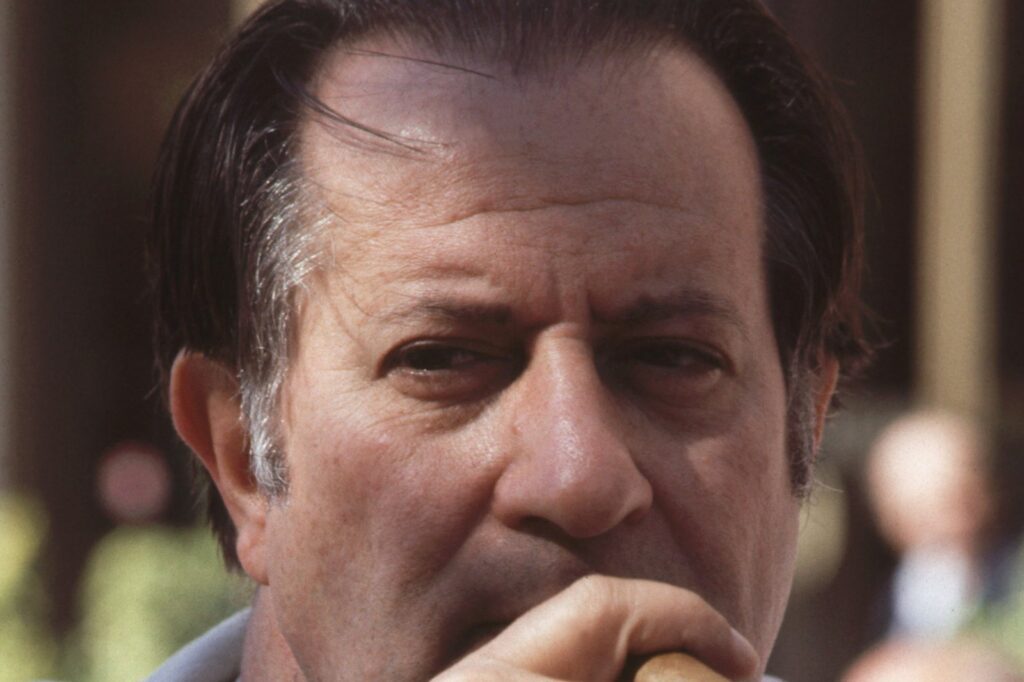
ROME, November 6, 2026 — Italian director Tinto Brass died in Rome at the age of 93, his family confirmed to ANSA. The avant‑garde filmmaker’s career, which began with a censored debut in 1963, spanned more than six decades of battles with national and international boards over erotic content.
Early Avant‑Garde Work and First Censorship Clash
Born in Milan in 1933 and raised in Venice, Brass earned a law degree at the University of Padua before moving to Paris in 1957, where he worked at the Cinémathèque Française and assisted Roberto Rossellini. His first feature, “In Capo Al Mondo” (later retitled “Chi Lavora è Perduto”), premiered at the 1963 Venice International Film Festival and immediately attracted the attention of Italian censors, marking the first of many confrontations, according to the record shows.
Experimental Phase and International Exposure
Throughout the 1960s Brass produced experimental shorts for Umberto Eco at the 13th Triennale di Milano and directed genre pieces in London, including “Deadly Sweet” (1967), “Attraction” (1969) and “Dropout” (1970). Warner Bros. approached him in 1968 to helm “A Clockwork Orange,” but scheduling conflicts led to Stanley Kubrick’s appointment, officials confirmed.
Shift to Erotic Cinema and the Politics of Desire
In the mid‑1970s Brass embraced eroticism as a “fundamental key to human expression,” he told La Repubblica, and began a series of politically charged erotic films. “Salon Kitty” (1976) portrayed a Nazi‑run Berlin brothel, while “Caligula” (1979) was conceived as a satire on power before Penthouse founder Bob Guccione inserted hardcore scenes during post‑production. Brass and screenwriter Gore Vidal sued to have their names removed from the final cut, and the record shows Brass was credited only for “principal photography.”
Legal Battles and International Censorship
The controversy surrounding “Caligula” sparked lawsuits in Italy, the United Kingdom and the United States, where the film was banned or heavily edited. A 2023 re‑edited version, “Caligula: The Ultimate Cut,” screened at Cannes Classics without the added pornographic material, demonstrating the director’s ongoing struggle to reclaim his artistic intent.
Legacy of Artistic Liberation
Brass continued to produce erotic titles such as “The Key” (1983) and “Paprika” (1991), maintaining a global audience while repeatedly confronting classification boards. His work opened a market for European erotic cinema, influencing later directors who explore desire without state interference. The director’s death, announced by his wife Caterina Varzi and children Bonifacio and Beatrice, marks the end of a career that repeatedly tested the limits of censorship across continents.
Brass’s last public appearance was scheduled for the restored 4K screening of “Col Cuore in Gola” at the Venice Film Festival in September 2026, an event he missed due to illness.
Sources
- Tinto Brass, Italian director known for erotic films 'Caligula' and 'Salon Kitty,' dies at 93
- Tinto Brass
- Tinto Brass Dead: Italian ‘Caligula’ Director Was 93
- Tinto Brass, Director of Erotic Epics ‘Caligula’ and ‘Salon Kitty,’ Dies at 93
- Tinto Brass, director of Caligula and maestro of Euro erotica, dies aged 93
- Tinto Brass, maestro of Italian erotic cinema, dies in Rome aged 93
Photo: Gorupdebesanez (CC BY-SA 3.0)