CHICAGO, November 6, 2026 — Voters approved a statewide millionaire surcharge and the revival of gun‑shot detection technology, while also ending three decades of mayoral control over the Chicago Public Schools board.
Millionaire Tax Wins Broad Support
More than 80 percent of Chicago voters backed two referendums that would allow Illinois to impose a 3 percent surcharge on incomes above $1 million. One question, backed by the Cook County Board, calls for the revenue to be split between property‑tax relief and education funding; the other, sponsored by the city’s school board, seeks a broader increase in millionaire taxation to support schools. An Illinois Economic Policy Institute study projects the measure could generate $4.2 billion annually by 2030, affecting roughly 41 000 high‑income residents.
Gun‑Shot Detection Returns
Voters also approved the resumption of citywide gun‑shot detection technology, a non‑binding referendum that signals public appetite for tools aimed at curbing violent crime. The measure passed by a wide margin, adding to a suite of questions that received affirmative votes in more than 90 percent of the city’s 1 291 precincts.
Historic School Board Election
For the first time in 30 years, Chicagoans elected 21 members to the Board of Education, dismantling the mayor’s longstanding grip on the district. Projections indicate that candidates endorsed by the Chicago Teachers Union will hold 10 seats, a reduction from the current 14‑seat majority. Jessica Biggs, a former CPS principal and incumbent board member, emerged as the likely first elected board president, capturing nearly half of the vote in a three‑way race that also featured a CTU organizer and an independent attorney.
Money Flows and Political Alignments
The election cycle attracted more than $10 million in campaign contributions, with special‑interest groups drawing clear battle lines. The Common Ground Collective, a new anti‑CTU political action committee funded heavily by billionaire Michael Sacks, backed several candidates, while the SEIU and other labor unions rallied behind Biggs. The influx of money underscores the strategic calculus of both labor and wealth corridors seeking influence over Chicago’s education policy.
Non‑Binding Referendums as Policy Levers
Although the ballot questions do not automatically enact law, they provide a powerful advocacy tool. Politicians and interest groups are likely to cite the decisive voter sentiment when lobbying the state legislature on the millionaire surcharge and when seeking city council approval for a permanent outdoor festival grounds modeled after Milwaukee’s Henry Maier Park.
Contextual Note: Pope Leo’s Mail‑In Vote
Amid the local contests, Chicago‑born Pope Leo XIV exercised his Illinois voter registration by requesting a mail ballot, a move highlighted by the Will County clerk’s office. The pope’s participation illustrates the broader reach of the midterm election, which also includes high‑profile races for the U.S. Senate and the Illinois governorship.
Final precincts reported at 11 p.m. on Tuesday, confirming the breadth of voter engagement across the city.
Sources
- Chicago
- Chicago school board election results are coming in
- Pope Leo will vote from the Vatican, by mail, in Illinois midterm election
- KNOW BEFORE YOU GO: Washington Spirit vs Chicago Stars FC – Washington Spirit
- Chicago Cubs news — Carson Kelly, Matthew Boyd and Cubs killers
- Here's How Chicago Voted On Millionaires Tax, Public Fairgrounds And Other Referendums
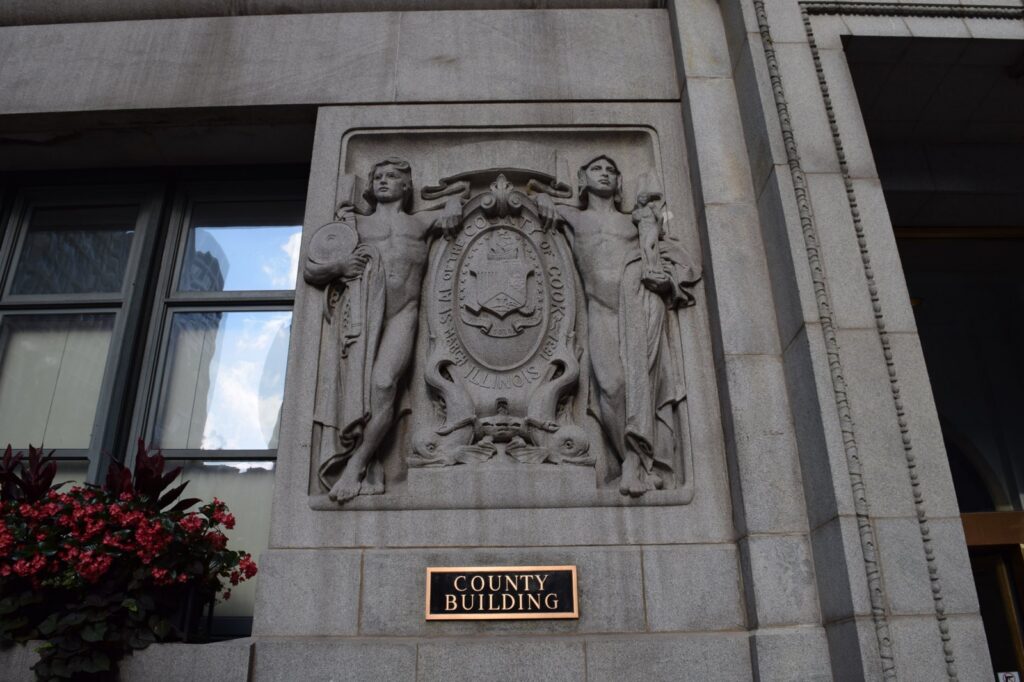
Photo: Haydn Blackey from Cardiff, Wales (CC BY-SA 2.0)