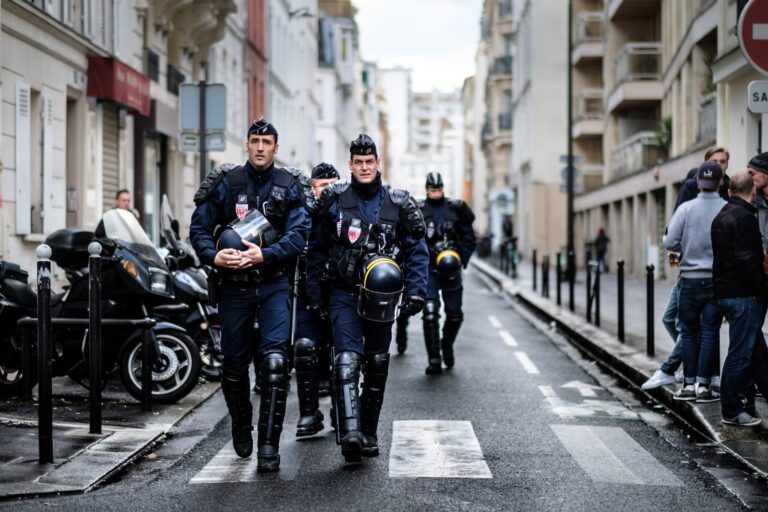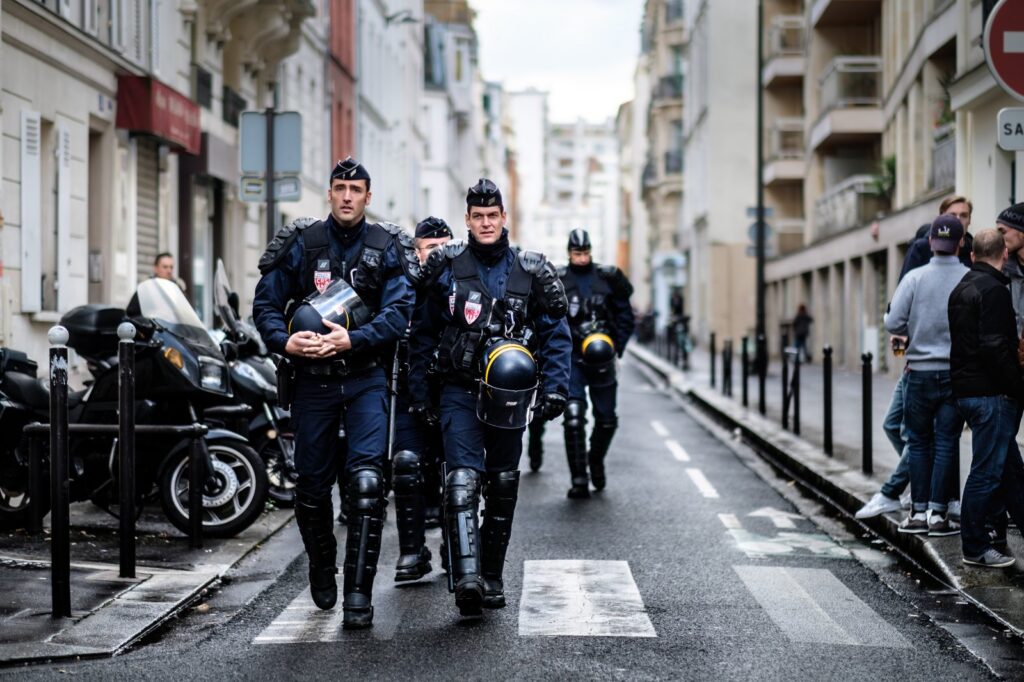
The video lasts only seconds. A Molotov cocktail arcs toward a line of French riot officers in Paris, and one man’s leg is suddenly on fire.
The Gendarmerie nationale posted the footage on X on Saturday, 31 October, under the words “unacceptable violence” and a message of support for a comrade “gravely burned” on the leg. The force said the officer was treated for severe burns. It was the worst moment of a day that had begun, by most accounts, quietly.
France: a peaceful morning, a violent night
French authorities put attendance at 320,000 across the country and sent 70,000 police to cover it. The marches were driven by anger over the cost of living, public services and Emmanuel Macron’s government. By afternoon the mood had turned. Officers used tear gas in Lyon and Toulouse. In Marseille, trouble broke out as a march ended, and looting was reported later in the evening. Images from Paris showed a protester firing fireworks straight at riot police.
This was the second round in a fortnight. Riots two weeks earlier had caught the security forces off guard and left shops, public buildings and businesses damaged in cities across the country. The crowd this time was broader. Students furious about run-down schools, packed classrooms and a university admissions system many see as unfair were joined by trade unions and a returning Yellow Vest movement that wants action on living costs.
Germany: smaller crowds, sharper words
Protests ran in 34 German cities, among them Berlin, Frankfurt, Munich and Hamburg. More than 180,000 people had registered, yet police said turnout fell well short. Reports put about 6,000 on the streets of Berlin, Frankfurt and Munich combined.
Frankfurt turned ugly. Several officers were hurt in clashes, and hooded rioters looted shops late into the night. “We assume there were about 100 attackers motivated by extreme leftist ideology,” said Hesse Interior Minister Roman Poseck. He added that they had “staged a massive attack against the police by throwing bottles, stones and fireworks.”
Cologne police had banned a planned youth march and ordered a stationary rally instead, citing masked participants. When some of them threw pyrotechnics at officers, police brought out a water cannon. At least 50 people were arrested. German officials had expected a mostly calm day but had warned that extremist groups might try to hijack the movement.
The organizers, a group called Gen Z regelt, or “Gen Z deals with it”, want more money for education and help with rising costs. They oppose compulsory military service.
Albania and Italy
Tirana saw some of the fiercest scenes. Demonstrators threw stones, flares and petrol bombs at officers, who answered with batons, water cannons and tear gas. Protesters shouted “Criminal police!” while flames burned in the street. Their demands were lower tuition fees, more education funding and measures against corruption.
The day before, tens of thousands of students and workers had marched across Italy for higher wages and stronger public services, and against higher military spending. The marches were largely peaceful. In Turin, though, police turned a water cannon on students and left-wing activists who pushed toward the cordons guarding the prefecture building.
Sources
- Protests across Europe descend into violence as shocking video shows French riot officer being set on fire | LBC
- Massive Protests and Clashes Erupt Across France, Germany and Albania
- From teargas in Paris to gen Z in Germany: protests across Europe – in pictures
Photo: Kristoffer Trolle from Copenhagen, Denmark (CC BY 2.0)