
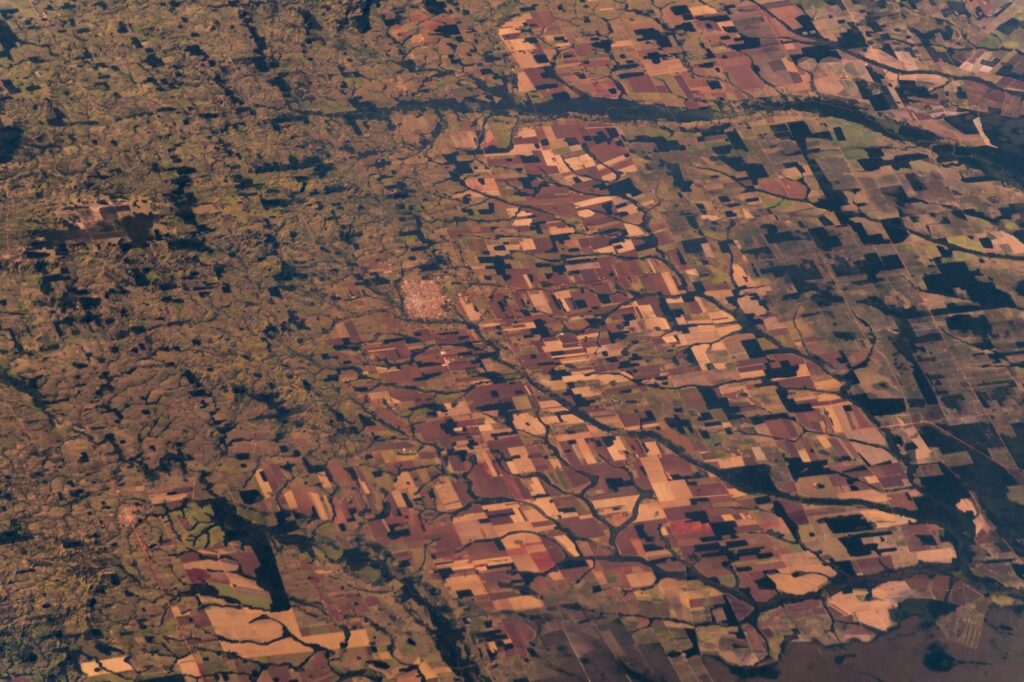
Criminal networks are dismantling the Amazon rainforest through a combination of brute force and systemic corruption, turning one of the planet’s most vital ecosystems into a source of illicit profit. Organized crime groups operate as parallel governments in regions where state authority has collapsed, using extortion and violence to secure access to timber and resources while silencing indigenous defenders.
The Mechanics of Illegal Protection Rackets
In the heart of the Amazon, criminal organizations have established a system that functions like a black-market security firm. These groups operate protection rackets, a form of extortion where they coerce payments from individuals or businesses in exchange for agreeing to not harm them. The threat of violence is often implied rather than explicitly stated, creating an atmosphere of fear that deters interference from legitimate authorities or local communities.
The perpetrators of these schemes may claim to protect vulnerable targets from other dangerous individuals, but the reality is usually a double-edged sword. In many cases, the main potential threat to a target comes directly from the same group offering protection in return for payment. This arrangement ensures continual patronage and funding for the crime syndicate, as the coerced party remains dependent on the very entity threatening their safety.
These rackets thrive in markets where law enforcement cannot be counted on to provide legal protection. Weak governance, incompetence, or active corruption allows criminal organizations to resemble de facto authorities or parallel governments. In some instances, these groups offer protection specifically against law enforcement and police involvement, often by bribing or threatening local officers to avoid prosecution.
Indigenous Leaders Face a Wall of Impunity
Indigenous leaders in the Amazon face significant legal and enforcement challenges in stopping illegal logging and resource extraction due to deep-seated corruption and a lack of institutional support. They find themselves fighting not only against criminal syndicates but also against a system that has been compromised by bribery and intimidation. Criminal networks often bribe or threaten local law enforcement, creating a climate of impunity that allows illegal activities to flourish unchecked.
The scene on the ground reveals a stark reality where residents describe a landscape dominated by criminal influence rather than state protection. By nightfall, the silence of the forest is frequently broken not by nature, but by the sounds of machinery and the threats of armed groups who operate with near-total freedom. Indigenous communities are left to defend their ancestral lands against well-organized syndicates that exploit legal gaps and social vulnerabilities.
The scale of deforestation linked to illegal activities in the Amazon is vast, with significant environmental and climate implications. The Amazon is home to some of the world’s most vulnerable ecosystems, which are increasingly targeted by criminal syndicates for profit. This exploitation undermines indigenous efforts to protect their territory and threatens the delicate balance of the region’s biodiversity.
Global Implications of Local Exploitation
The implications for the environment and global climate extend far beyond the borders of South America. The destruction of these ecosystems contributes to a cycle of environmental degradation that affects air quality, water cycles, and global temperature regulation. Criminal networks use coercion and corruption to fuel this illegal exploitation, ensuring that the profits from illegal logging and resource extraction flow back to their operations rather than supporting local development or conservation.
Indigenous leaders have called on the UN to take action against criminal networks threatening the Amazon, highlighting the need for international intervention. They argue that the current framework of protection is insufficient and that stronger measures are required to dismantle these entrenched criminal enterprises. The notion that local vigilance alone can stop such organized crime is increasingly viewed as unrealistic given the resources and firepower available to these syndicates.
The history of exploitation in the region dates back decades, with criminal networks adapting their tactics to evade detection and enforcement. They have learned to navigate the complex web of international trade laws, shipping routes, and financial systems to launder the proceeds of illegal logging. This sophistication allows them to operate openly, using the very infrastructure meant to protect the environment as a tool for destruction.
As the cycle of counter-revolutionary forces sweeps through the region, the struggle for the Amazon becomes a proxy war between organized crime and the rule of law. The outcome will determine not only the fate of the rainforest but also the stability of communities that depend on it for survival. Without decisive action to address the root causes of this crisis, including the protection rackets that enable it, the Amazon faces an uncertain future.
Parallel Governance in the Amazon
Criminal organizations operate as parallel governments in regions where state authority has collapsed, using extortion and violence to secure access to timber and resources while silencing indigenous defenders. These groups establish a system that functions like a black-market security firm, offering protection specifically against law enforcement and police involvement by bribing or threatening local officers to avoid prosecution.
The racket often occurs in situations and places where criminal threats to certain businesses, entities, or individuals are not effectively prevented or addressed by the prevailing system of law and order or governance, or in cases of inadequate protection by the law for certain ethnic or socioeconomic groups. Weak governance, incompetence, or active corruption allows criminal organizations to resemble de facto authorities or parallel governments.
In some instances, these groups offer protection specifically against law enforcement and police involvement, often by bribing or threatening local officers to avoid prosecution. Through the credible threat of violence, the racketeers deter both third-party criminals and people in their own criminal organization from swindling, robbing, injuring, sabotaging, or otherwise harming their clients.
Hence, protection rackets are common in places or territories where criminal organizations resemble de facto authorities, or parallel governments. The Amazon is home to some of the world’s most vulnerable ecosystems, which are increasingly targeted by criminal syndicates for profit.
Sources
- Protection racket
- Crime and Public Safety | FOX 4 News Dallas-Fort Worth
- International Viewpoint – online socialist magazine
Photo: Alexander Gerst (CC BY-SA 2.0)




