Shares of Adani Enterprises closed down 22% the day after a US indictment landed on its founder. The group’s green-energy arm, Adani Green Energy, said it would not go ahead with a $600m bond offering. For a man who had spent nearly two years trying to rebuild his reputation, it was a bad week.
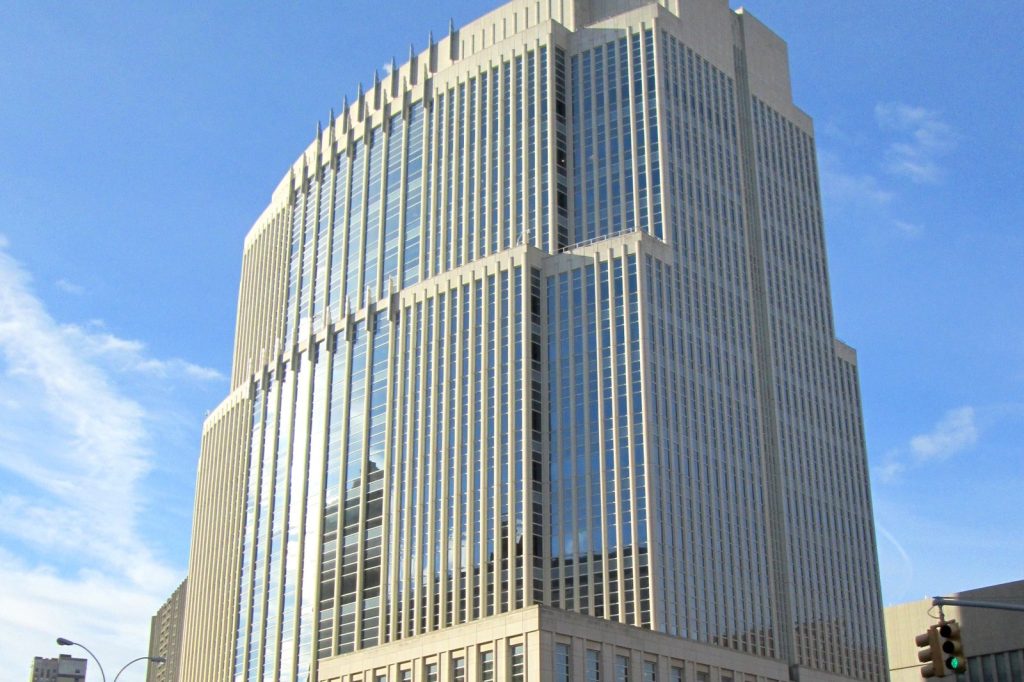
On 20 November 2024, prosecutors in Brooklyn unsealed a five-count indictment charging Gautam Adani, 62, one of Asia’s richest men, and seven other defendants, including his nephew Sagar Adani and executive Vineet Jain. The charges, brought in the US District Court for the Eastern District of New York, centre on securities fraud and wire fraud. Prosecutors say the group paid or agreed to pay more than $250m in bribes to Indian government officials to win solar energy contracts for Adani Green Energy, expected to yield more than $2bn in profit over 20 years.
What prosecutors alleged
The second half of the case is about money raised abroad. According to the indictment, executives collected more than $3bn in loans and bonds, some of it from US firms, on the strength of false and misleading statements about the company’s anti-bribery policies and about reports of the bribery probe. Officials said Adani met government officials personally on several occasions to advance the scheme. Prosecutors also said the US began investigating the company in 2022 and found the inquiry obstructed. The indictment accuses other individuals, including former employees of a Canadian institutional investor, of deleting evidence and giving false information to authorities.
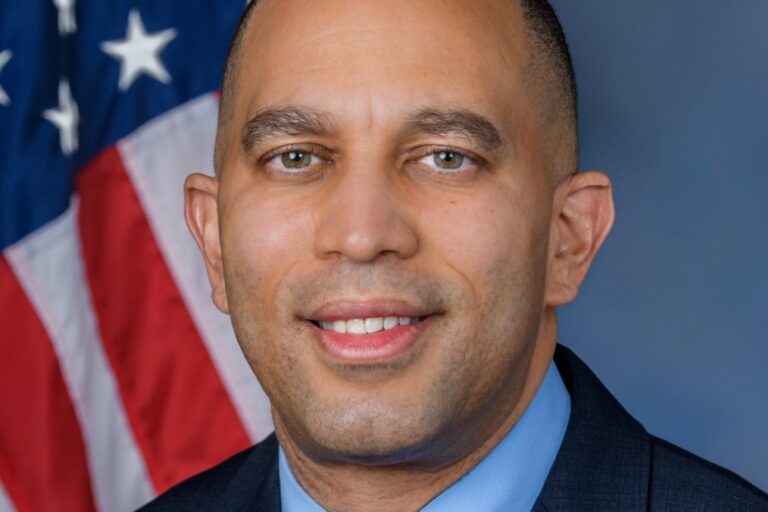
“As alleged, the defendants orchestrated an elaborate scheme to bribe Indian government officials to secure contracts worth billions of dollars and… lied about the bribery scheme as they sought to raise capital from U.S. and international investors,” said US Attorney Breon Peace. “My office is committed to rooting out corruption in the international marketplace and protecting investors from those who seek to enrich themselves at the expense of the integrity of our financial markets.”
Denials and fallout
The Adani Group called the allegations “baseless” and said “all possible legal recourse will be sought.” Adani himself has denied wrongdoing in earlier disputes with the Hindenburg group, whose fraud claims prompted a market sell-off and an investigation by India’s market regulator.
Michael Kugelman, director of the South Asia Institute at the Wilson Center, called the US charges a “body blow.” Adani had been trying to show that the earlier Hindenburg allegations were untrue, he told the BBC, and it would be harder to “shake off” claims from US authorities. GQG Partners, a US investment firm with nearly $10bn in the group, said it was “monitoring the charges.” Moody’s Ratings called the indictment “credit negative” for the group’s companies.
In India it became a political fight. Adani is a close ally of Prime Minister Narendra Modi, and opposition politicians have long said he benefits from those ties, which he denies. Rahul Gandhi demanded Adani’s arrest and accused Modi of protecting him. Modi and the government had not commented. A leader of the governing BJP, Sambit Patra, said it was up to the Adani Group to defend itself.
The timing was awkward. The filing came weeks after Donald Trump won the White House, and Adani had congratulated him online and pledged a week earlier to invest $10bn in the US.
The case afterwards
The case did not run its course. On 12 December 2024 a magistrate judge marked the criminal case and two SEC civil cases as related and assigned them to the judges handling the criminal matter. In October 2025 the SEC told the court that Indian authorities had not acted on requests to serve summonses on Adani Group executives. In January 2026 Gautam and Sagar Adani agreed to accept legal notice from the SEC, with 90 days to respond.
Then the Justice Department changed course. On 18 May 2026 it asked the court to dismiss the indictment permanently, citing prosecutorial discretion, problems with evidence and jurisdiction, the largely foreign nature of the conduct, no identified losses to US investors and shifting enforcement priorities. Judge Nicholas Garaufis confirmed that Adani’s earlier $10bn investment pledge had not influenced the decision.
On 10 August 2026 he partly granted the request and permanently dismissed the securities-fraud and wire-fraud charges against the three defendants who had appeared. A decision on the remaining charges against five defendants who did not appear in court was put off while he waited for more from the government by 31 August. Two days later he found the department’s response insufficient and repeated the deadline. Adani welcomed the ruling, saying he accepted it with “humility and deep respect” for the judicial process.
Sources
- Indictment against Gautam Adani et al. – Wikipedia
- Gautam Adani: US charges Indian billionaire with fraud