
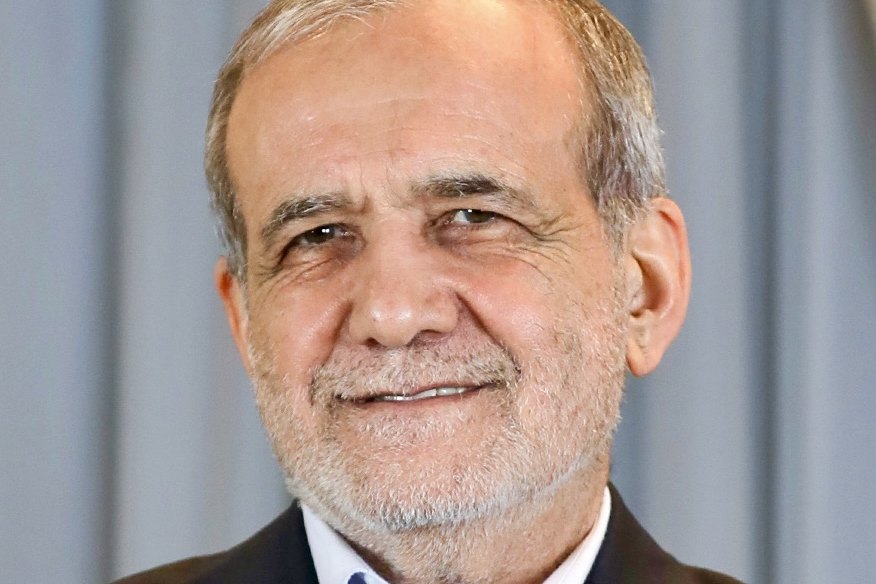
TEHRAN, September 23 — A United States delegation walked out of a diplomatic session after Iranian President Masoud Pezeshkian held up images of children killed in an Israeli strike, according to the account of the event. The record shows a rupture that was immediate and public: the American side left the room in direct response to the display. The source material does not specify the exact date of the session, the venue, or the identities of the US delegates involved.
Nor does it identify the specific strike depicted in the images or the children shown. What the episode lays bare is a relationship with almost no formal architecture left to absorb a shock.
The United States and Iran have had no formal diplomatic relations since 1980, severed in the aftermath of the 1979 Iranian Revolution and the US embassy hostage crisis that followed. For more than four decades, the two governments have communicated — when they have communicated at all — through intermediaries, third-party capitals and indirect channels.
A Record of Failed Engagement
The most substantial attempt to bridge that gap was the 2015 Joint Comprehensive Plan of Action, the multinational nuclear accord that constrained Iran’s nuclear program in exchange for sanctions relief. The United States withdrew from the agreement in 2018. Iran’s nuclear program has remained the central point of contention since, with Washington imposing successive rounds of sanctions on Tehran.
Those indirect talks have never produced a durable framework, and the walkout is likely to further complicate any potential diplomatic effort. The source material includes no quotes or statements from either government, and no additional verified information about the session is available.
Mutual Accusations, No Channel
The two capitals have spent years trading the same charges. Washington has consistently criticized Iran’s human rights record and its support for militant groups. Tehran accuses the United States of aggression and interference in the region.
Each government treats the other’s stated grievances as pretext. That is the context in which a single gesture — a head of state holding up photographs, and a delegation walking out — carries outsized weight.
There is no standing diplomatic channel to contain it, no ambassador to summon, no consular mechanism to cool the exchange. The incident underscores the depth of the animosity and the difficulty of engagement between the two nations. On the timeline, this is a developing event.
The identities of the US delegates, the location of the session and the details of the strike depicted in the images have not been verified. What to watch next is whether either government issues a formal statement, and whether any third-party mediator moves to reconvene a process that has already stalled repeatedly.




