Nobody at the U.S. Mint can decide on their own to strike a coin for an anniversary or a famous event. Congress has to pass a law first. That rule sits at the head of a process the Congressional Research Service laid out in a February 2026 overview of commemorative coins, and every later step flows from it.
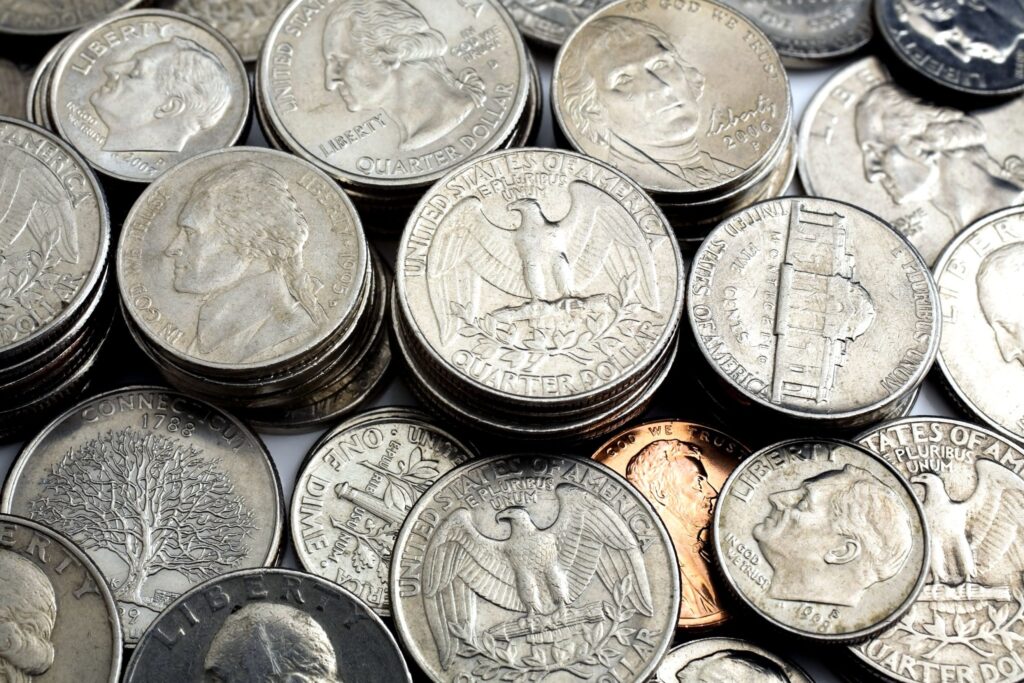
The coins honor American people, places, events and institutions. They count as legal tender, but they are not made for everyday spending. They are made to be collected, and to raise money for the groups named in the law that creates them.
A short history
Congress authorized the first one in 1892, for the Columbia Exposition in Chicago. Since then it has approved more than 150. There was a long gap: from 1954 to 1981, no new commemorative coins were authorized. The program restarted in 1982 with a half dollar for George Washington’s 250th birthday.
The pace picked up quickly. By 1994 the Mint was producing as many as six a year. Congress then set a cap, and for coins minted after January 1, 1999, the law lets the Secretary mint commemoratives under no more than 2 programs in any calendar year.
Recent lists are thin. The research service’s table shows the Negro Leagues Baseball Centennial and Purple Heart Hall of Honor coins for 2022, nothing for 2023, the Greatest Generation and Harriet Tubman Bicentennial coins for 2024, the United States Marine Corps 250th Anniversary coin for 2025, the FIFA World Cup 2026 coin, and Working Dogs for 2027. Nothing is yet authorized for 2028 or later.
What the law spells out
An authorizing act usually contains findings on the subject’s history and importance, the denominations, weight and metal, and design requirements such as dates, words or images. It also sets the start and end dates for minting, the terms of sale, the surcharge added to each price, and the groups that receive the money. It must also make sure the Mint gets its costs back.
Getting a bill that far is hard. The House majority leader’s floor protocols in the 119th Congress say he will only consider commemorative coin bills with at least 290 cosponsors. In the Senate, the Banking, Housing, and Urban Affairs Committee requires at least 67 senators to cosponsor such a bill before it takes it up.
Design and minting
After passage, the Treasury starts on the design. The Citizens Coinage Advisory Committee, created by P.L. 108-15, advises the Treasury Secretary on themes and designs. It has 11 members appointed by the Secretary, four of them on the recommendation of congressional leaders. The committee meets several times a year, and it publishes its recommended designs, with its reasoning, on its website.
The Mint also presents preferred designs to the U.S. Commission of Fine Arts, set up in 1910, which gives its own recommendations. With both sets of advice in hand, the Secretary finalizes the design and the Mint strikes the coin.
Who pays and who benefits
Congress does not appropriate money for these coins. The United States Mint Public Enterprise Fund covers design, striking and marketing, and the Mint must recover its expenses before any surcharge can go to the named recipients.
The recipients carry obligations too. Under P.L. 104-208 they must raise matching funds, document that to the Treasury, and submit to an annual audit. The law bars them from using surcharge proceeds to influence coin legislation. For the U.S. Marshals Service coin, the first $5 million went to the U.S. Marshals Museum, Inc., and the remainder was split equally among three other groups.