
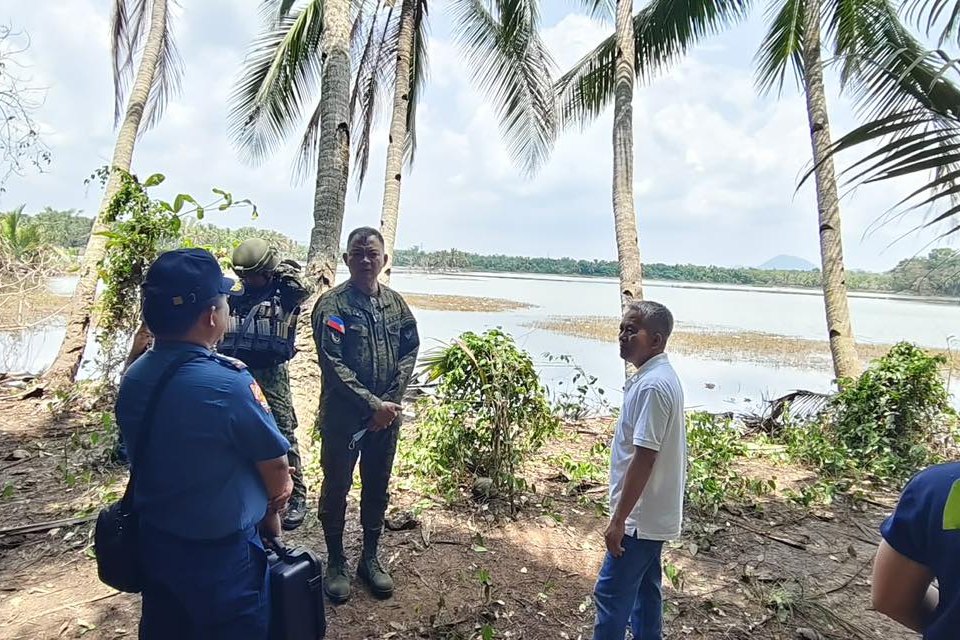
TOBOSO, September 2 — The sugar cane stands chest-high along the dirt roads outside this remote municipality in Negros Occidental, and by nightfall on April 19, the fields were littered with spent shell casings and the bodies of 19 dead. Philippine military forces had stormed what they described as a New People’s Army stronghold, and among the dead were two United States citizens whose presence in this long-contested insurgent zone has now drawn official American scrutiny and raised questions that reach from the cane fields of Negros to Washington.
Lyle Prijoles and Kai Dana-Rene Sorem had arrived in Negros Occidental roughly a month before the raid, according to military accounts. Their names now sit alongside 17 others on the military’s list of NPA combatants killed in the operation.
The presence of dead Americans in a Philippine counterinsurgency action is highly unusual. It prompted queries to the US embassy, and it places the incident in a separate category from the criminal violence against foreigners that periodically roils the Philippine archipelago. This involved state forces, an armed conflict context, and unresolved questions now before the country’s Commission on Human Rights.
More than 300 residents fled their homes as gunfire rang out in the farming area. On the ground, the displacement was immediate and chaotic.
Residents describe a sudden exodus from a landscape they have worked for generations, one that has known violence before but rarely on this scale in a single morning. The military’s account has not gone unchallenged. Activist groups disputed the claim that all 19 dead were combatants, calling for an independent investigation.
The Commission on Human Rights opened a formal probe into the operation, examining whether the dead were in fact all NPA fighters or whether some were non-combatants caught in the crossfire. That investigation remains active, and its findings could reshape understanding of what transpired in Toboso. The NPA has waged a rural insurgency for nearly 60 years, one of the longest-running communist rebellions in the country.
Negros Island has long been among its most contested territories, a place where land inequality, sugar plantation economics, and deep rural poverty have fed recruitment for generations. A joint military-police task force maintains active operations across the island, and clashes between state forces and rebel units occur with periodic intensity.
The involvement of two Americans adds a complicating dimension that extends beyond the Philippine domestic context. The US has maintained its alliance with Manila while pressing for accountability in security operations. The State Department has not publicly commented on the specific circumstances of Prijoles and Sorem’s deaths, though embassy queries suggest official American interest in establishing how two US citizens ended up in an NPA stronghold and whether they were indeed active combatants.
What Comes Next
The Commission on Human Rights probe will be the critical watchpoint. Its findings on the combatant status of the dead, and specifically on the two Americans, could force revisions to the military’s narrative or validate it. For the 300 displaced residents, return to normalcy depends in part on whether the area sees sustained military presence or renewed rebel activity.
The US faces a discrete challenge: determining whether Prijoles and Sorem were US citizens drawn to foreign insurgency, victims of misidentification, or something else entirely. That determination will shape whether Washington presses for deeper access to the Philippine investigation or accepts Manila’s account.
For now, the cane fields of Toboso hold the evidence, and the questions remain open.




