
“We will continue to fight for this land no matter what the outcome is,” said Clara Benson, a founder of the No Big Bend Wall Coalition, the day word came that border wall panels were going up in west Texas. “You talk to people in west Texas and they say even if they put it up, we’ll fight for them to take it down. So this fight is not over.”
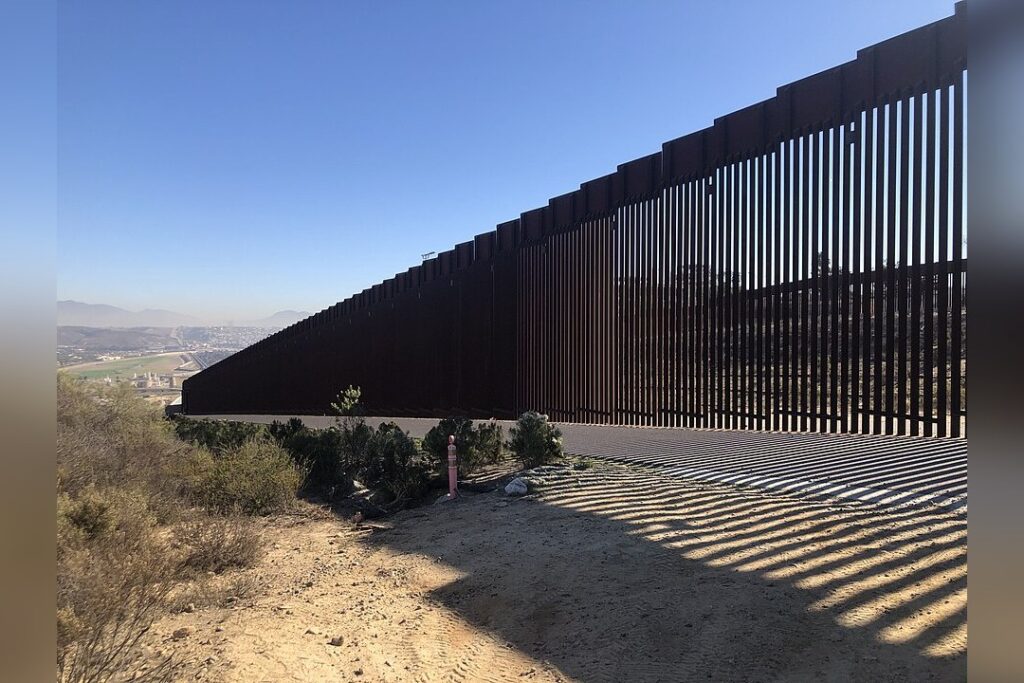
Customs and Border Protection told The Associated Press that panel installation is underway across a 47-mile stretch of Hudspeth County known as Big Bend 1. The first panels went up on September 15. A photo on the agency’s wall-tracking map shows a crane lifting a 30-foot steel panel into place while workers watch.
The first real construction in Big Bend
It is the first significant building in a region where the administration’s plans have met fierce resistance. The work belongs to a $46 billion effort to fill the border with walls, barriers, roads and technology, fulfilling a central pledge of President Donald Trump’s campaign.
CBP says it has doubled the pace of construction. It reports building an average of 12 miles of barrier a week along the 2,000-mile border, twice the rate its head, Rodney Scott, cited earlier this year, and it recently passed 200 miles of new barrier since the second Trump administration began.
The Big Bend region runs roughly 500 miles and splits into five project areas, from a part of Hudspeth County south of El Paso to Lake Amistad. Work at nearby Big Bend National Park is a separate matter: the administration has paused construction there for now to engage opponents.
Landowners, ranchers and a lawsuit
Landowners, environmental groups, business owners and ranchers have organised against the project. Their argument is that this remote country does not see much illegal immigration. Earlier in the week, a group of landowners, ranchers and business owners, joined by a nonprofit that works to protect the area’s landscape and heritage, filed a lawsuit to stop the plans.
Much of the land outside the park, both upriver and downriver, is privately owned, and many owners have refused to let officials or contractors onto their property to survey it. Activists have also turned up at county meetings, asking elected officials not to cooperate with contractors hired by CBP.
Benson spoke by phone from Washington, D.C., where she and other coalition members were meeting lawmakers. The coalition has been getting reports of trucks hauling supplies into the area along the Rio Grande and of contractors clearing yards to store materials, she said.
Elsewhere along the border, CBP faces objections from a small town worried the wall will cause flooding, and from Native Americans who say construction is disturbing sacred sites. In Texas, the fiercest resistance centres on the plans for Big Bend National Park, a draw for tourists from around the world.




