
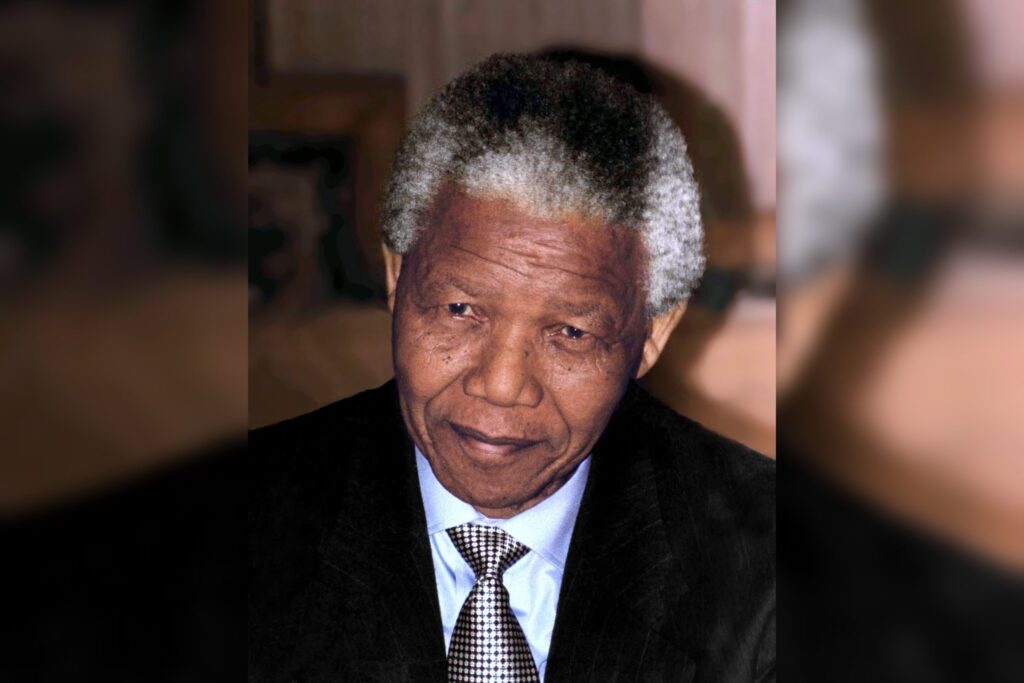
February five twenty fourteen. The world lost Nelson Mandela, and travelers found a new map. Four sites trace his arc from village boy to prisoner to president – each one a waypoint on the long walk to freedom.
The bottom line: Mandela tourism isn’t sightseeing. It’s a masterclass in how one life bent the arc of a nation.
Here’s what it means: start in Alexandra Township, Johannesburg. Nineteen forty. A young lawyer from the Eastern Cape rents a room on Stanley Road from the Xhoma family. The house is tiny. The alley is narrow. Today a plaque marks it. Locals call it Alex – once the Dark City for its lack of electricity, now bright with history and jazz legend Hugh Masekela. Walking tours run three hours. Try umqombothi, home-brewed beer, and magwinya, fried dough, at a shebeen.
In plain terms: Soweto’s Vilakazi Street is the only street on Earth that housed two Nobel Peace laureates. Number eight-one-one-five was Mandela’s family home. Bullet holes and scorch marks still scar the walls from attacks while he was on Robben Island. He wrote in Long Walk to Freedom: that night I returned with Winnie to Number eight-one-one-five. It was only then that I knew in my heart I had left prison. The house became the Mandela Family Museum in nineteen ninety-seven. Forty-minute tours. Twenty visitors max. Sixty rand adults, twenty rand children.
Think of it like this: Robben Island, seven kilometers off Cape Town. Eighteen of twenty-seven years served in a cell that became a university of the Struggle. Former political prisoners guide the three-and-a-half-hour tour – thirty-minute ferry, forty-five-minute history talk, walk through the maximum-security jail. UNESCO World Heritage since nineteen ninety-nine. Bill Clinton and Barack Obama have visited. Standard tour: two hundred fifty rand adults, one hundred twenty-nine rand children. Best in spring and summer – September to February.
The practical upshot: the journey ends in Qunu, Eastern Cape. Birthplace. Burial place. The Nelson Mandela Museum spans three sites: the Bhunga building in Mthatha, the Youth and Heritage Centre in Qunu, and the open-air museum at Mvezo where his inkaba – umbilical cord – is buried per Xhosa tradition. In the final fortnight of twenty thirteen, five hundred to a thousand visitors a day came to Qunu. They cannot yet visit the grave, but they view it from a distance. Nokuzola Tetani, museum communications manager, said visitors are happy even with that.
One analogy per piece: Mandela’s life is a relay race. Alexandra passes the baton to Soweto. Soweto to Robben Island. Robben Island to the Union Buildings. Qunu receives it at the finish. The runners change. The baton – justice – doesn’t.
Against this backdrop: Constitution Hill in Johannesburg, once a prison for anti-apartheid activists, now houses South Africa’s Constitutional Court. The Apartheid Museum documents the rise and fall of racial segregation. The Hector Pieterson Museum, ten minutes from Mandela House, commemorates the nineteen seventy-six Soweto uprising.
Travelers can pair legacy sites with safari – Cradle of Humankind, Pilanesberg, Addo Elephant, Drakensberg Mountains, Garden Route. The contrast sharpens the lesson: a nation that caged its conscience now protects its wild.
The wider picture: South Africa’s indestructible spirit is not in the stone of these sites. It’s in the guides who were there. It’s in the street vendors outside Alex. It’s in the child at Qunu asking why the grave is far away. You don’t just visit Mandela’s footsteps. You walk them.
Sources
- Tracing Mandela’s footsteps: a journey through South Africa – Business Destinations – Make travel your business
- 5 Reasons You Don’t Want to Miss a Nelson Mandela Journey in South Africa




