
“Thank God we have a government.” Someone carved those words into the back of a gold pocket watch in April 1861, shut the case, and sent it back to its owner, the president of the United States.
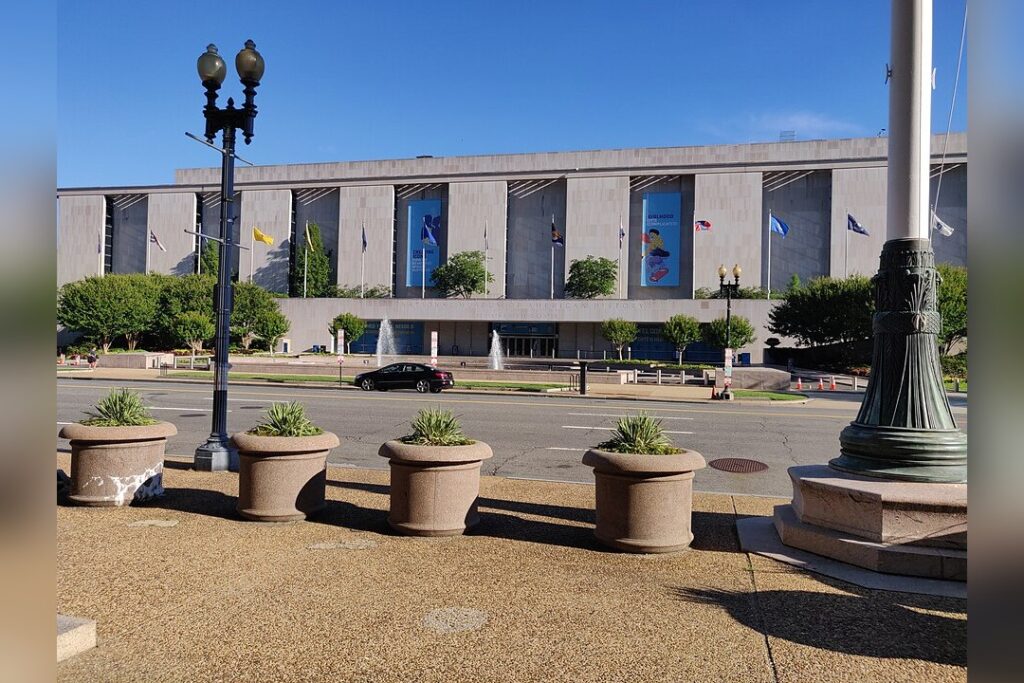
The watch is Abraham Lincoln’s, and it now sits in the political history collection of the Smithsonian National Museum of American History. Curator Lisa Kathleen Graddy told Spectrum News it is her favorite object there, although she laughed at the question: “It’s like who’s your favorite child?”
A watch, a clerk and a war
Lincoln bought the watch, an English mechanical movement in a gold case, after he won a case for a railroad firm while practicing in Springfield, Illinois. He took it with him to Washington. “I think this is Lincoln’s sort of testament to himself that he’s made it,” Graddy said.
The museum had held the watch for decades when it went on show in an exhibition marking 200 years since Lincoln’s birth. The publicity brought a phone call from a man named Doug Stiles. A story had come down in his family, he said, from his great-great grandfather, the watchmaker Jonathan Dillon.
As Graddy tells it, the watch had come in for cleaning. Dillon had just finished putting it back together when the shop’s owner, Mr. Galt, ran into the workroom with news that Fort Sumter had been shelled and the country was at war. Dillon took the watch apart again, removing the hands and the face, and scratched a message inside. He added his name and the date, then closed it up.
The museum invited Stiles and the press in that spring to open the case. The family tale held up. Inside were the date, April 13, 1861, and Dillon’s name, with wording a little different from what he had told his descendants: “Fort Sumter was attacked by rebels on the above date. Thank god we have a government.”
Graddy still turns it over. “I think about him carving ‘thank God we have a government’ in this watch, closing it back up and sending it to the president of the United States,” she said. Lincoln carried it for the next four-plus years and touched it every day, she added, “a talisman, a statement of faith from just a citizen of the United States.” She got a little emotional saying so. “I can’t imagine anything more meaningful,” she said.
Inside the archive
Only a fraction of the museum’s political archives is ever on display, and a Spectrum News reporter was let into the stores one recent morning. The collection began with George Washington’s christening gown, which the federal government bought in the late 1870s. Graddy says more than 100,000 items have arrived since, from campaign buttons to banners from the suffrage movement.
Not all of it comes through polite channels. Collecting, she joked, is “absolutely scavenging.” Her team will help clear the National Mall or a campaign headquarters if it means they can take what is on the floor. “No pride involved,” she said.
The oddities have their own stories. A giant yellow wooden pencil came back from the 1988 New Hampshire primary, brought by a colleague who spotted a pencil-shaped sign on a car roof urging voters to “Write in Ralph Nader.” Eleanor Roosevelt’s pince-nez are there too. Graddy likes to think she wore them to read and answer letters from around the country.
Personal pieces matter, she said, even when they date from no historic moment: “Objects are the things that link us, they’re the things that allow us to tell stories.”
The archive sits in an awkward season. On Tuesday, Smithsonian Secretary Lonnie Bunch said he plans to retire at the end of the year, after months of attacks from President Donald Trump and his administration, who say the museums present a version of American history that denigrates the nation’s past. Smithsonian leadership has denied that. Graddy, for her part, says the label “political history” undersells the work. “What we’re really collecting is history, the history of Americans, the history of the nation,” she said, “the way those two interact with each other.”




