
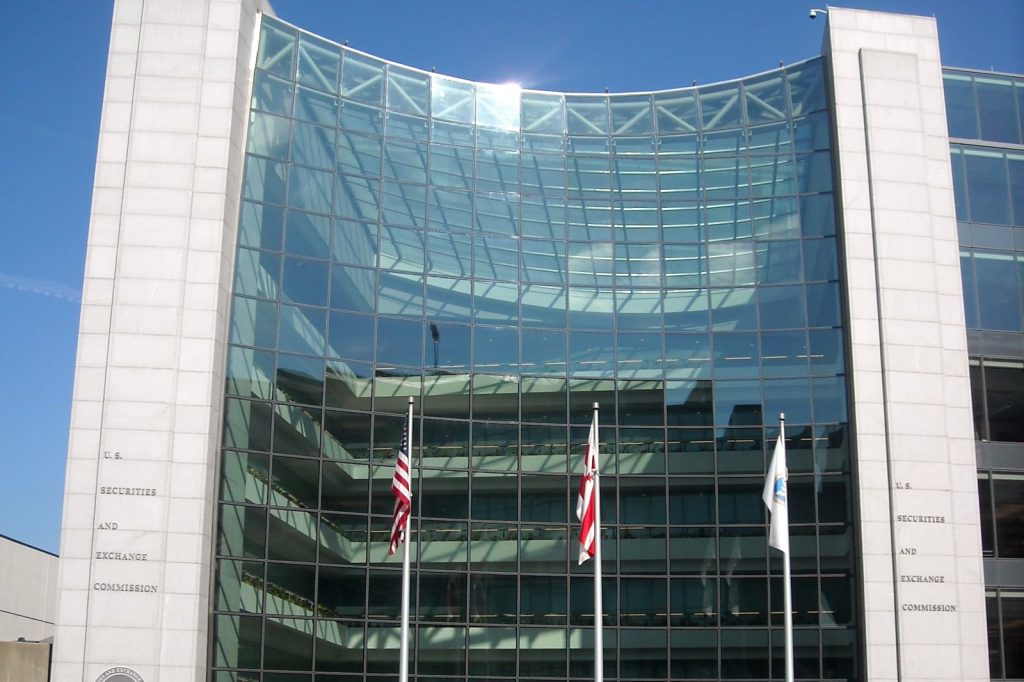
The vote was 49-50. On Tuesday the Senate fell well short of the 60 needed to advance the Clarity Act, the comprehensive crypto market-structure bill. Two days later, the SEC delivered by other means what the industry had wanted from Congress.
The commission announced Thursday that blockchain-based trading venues can list and trade tokenized versions of publicly traded U.S. stocks without registering as national securities exchanges. The relief is a five-year conditional exemption from the Exchange Act’s definition of an exchange, and it lets these venues use automated market makers and liquidity pools. Certain liquidity providers on them are also exempt from dealer registration. It takes effect immediately.
SEC Chair Paul Atkins had signaled it a day earlier. “I have been unequivocal: with or without legislation, we will act decisively within the SEC’s statutory authority to deliver certainty for American investors and for the entrepreneurs shaping our technological future,” he wrote on X, adding “stay tuned.”
What the exemption covers
It applies only to “tokenized NMS stock”: shares of exchange-listed companies tokenized by the issuer or an unaffiliated third party, provided the token carries the same rights as a regular share. Atkins said holders must get “the same rights and privileges as the traditional securities, including rights to receive dividends and exercise voting rights.”
Synthetics are out. These are instruments that track an asset’s price without owning it. That matters because offshore platforms, Robinhood’s European arm among them, have offered tokenized U.S. equities to non-U.S. users for over a year, and many of those products are built as derivatives rather than direct ownership claims.
The conditions are strict. A tokenized securities venue must be a U.S. entity, permission every participant and run on public, permissionless blockchains using smart contracts. Before trading a tokenized stock, it must notify the issuer at least 30 days ahead. An objection from the issuer blocks trading in that stock, but silence counts as consent.
An SEC spokesperson said the agency had been preparing the exemption for more than a year and that market interest prompted it. Coinbase, Securitize and Ondo Finance had built product plans around it, and Thursday’s announcement lets them proceed.
How the bill died
The Clarity Act passed the House in July 2025, 294-134. In the Senate the vote turned into a fight over ethics provisions. Democrats were frustrated that Republican negotiators had not met their demands on profits President Donald Trump and his family have made from crypto ventures. Three Republicans, Susan Collins, Josh Hawley and Jerry Moran, voted against, leaving the bill without even a simple majority.
The SEC has other crypto work in motion. At the Solana Policy Institute Summit in September, Atkins outlined three pieces: a self-custody proposal letting investment advisers hold crypto assets directly, the Regulation Crypto Assets proposal introduced in August, and an update to transfer-agent rules. The tokenization exemption follows earlier rollbacks of crypto-specific accounting guidance and approval of more spot crypto ETF products.
Agency action lacks the permanence of a statute, and whether this exemption survives a future administration is an open question. The bill’s defeat likely stalls federal market rules until after the November midterms.




