
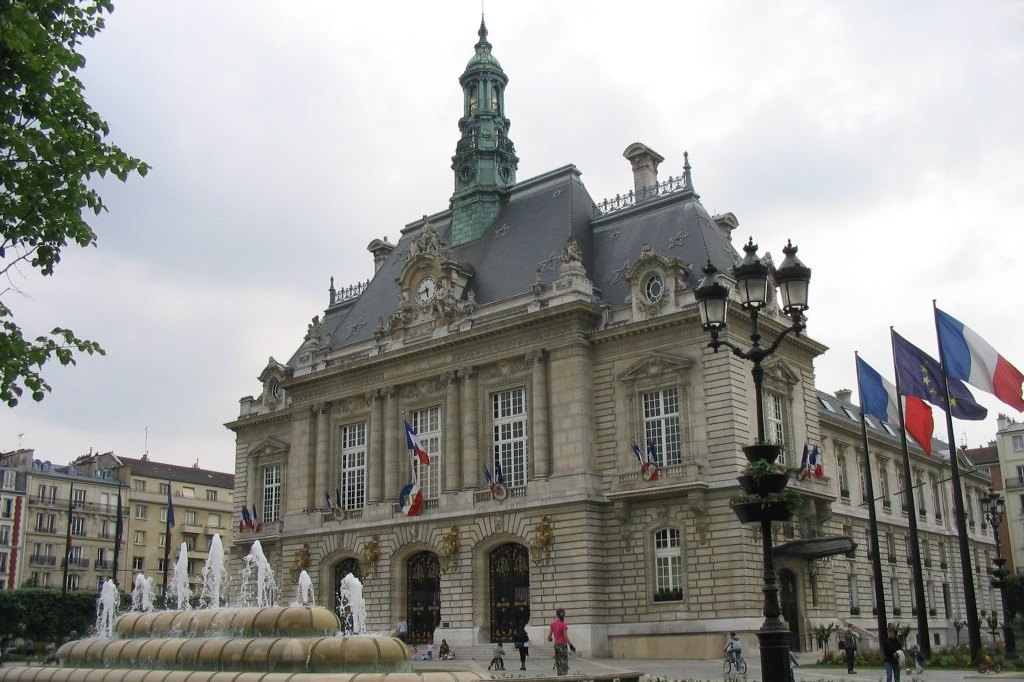
Patrick Balkany, the long-serving former mayor of Levallois-Perret, has been placed back in jail in connection with a tax fraud conviction, according to French Wikipedia and local-language media reports. The development marks another chapter in the legal troubles of a politician who held significant power in French local and national politics for decades.
Balkany, born August 16, 1948, in Neuilly-sur-Seine, served as mayor of Levallois-Perret for a total of 31 years across two separate periods: from 1983 to 1995, and again from 2001 to 2020. He was a member of the Rassemblement pour la République (RPR) and later the Union pour un mouvement populaire (UMP) and Les Républicains (LR). Beyond his mayoral role, Balkany was elected multiple times as a député for the 5th circonscription of the Hauts-de-Seine department, which includes Clichy and Levallois-Perret, serving between 1988 and 2017.
He also held the position of conseiller général for the Hauts-de-Seine department from 1982 to 1988. Balkany’s political career has been accompanied by a series of legal controversies.
In 1997, he was convicted for illegal taking of interests, resulting in a two-year period of ineligibility. More recently, he and his wife, Isabelle—who also served as his first adjoint—have faced legal proceedings for allegedly making false declarations of their assets and laundering tax fraud, a case that has been under investigation since 2013. In 2019, Balkany received a three-year prison sentence for tax fraud and was initially incarcerated at La Santé prison in Paris.
However, after only five months, he was released to serve the remainder of his sentence under house arrest with an electronic bracelet, a decision attributed to health reasons. The latest incarceration represents a return to custody following that earlier arrangement.
The case highlights ongoing concerns about corruption and tax evasion within French political circles. Balkany’s situation underscores that legal accountability can extend to high-ranking officials, regardless of their tenure or influence. The proceedings have drawn significant media attention and public scrutiny since they began. This case raises broader questions about transparency and oversight in public office.
It points to the need for mechanisms to detect and prevent financial misconduct among political leaders. For observers outside France, the developments serve as a reminder of the importance of vigilance in ensuring integrity among elected officials.
The outcome of Balkany’s case may influence public perception of political parties and their leaders, as well as France’s commitment to combating corruption. Continued monitoring of the case and its implications for French politics and international cooperation remains relevant.




