
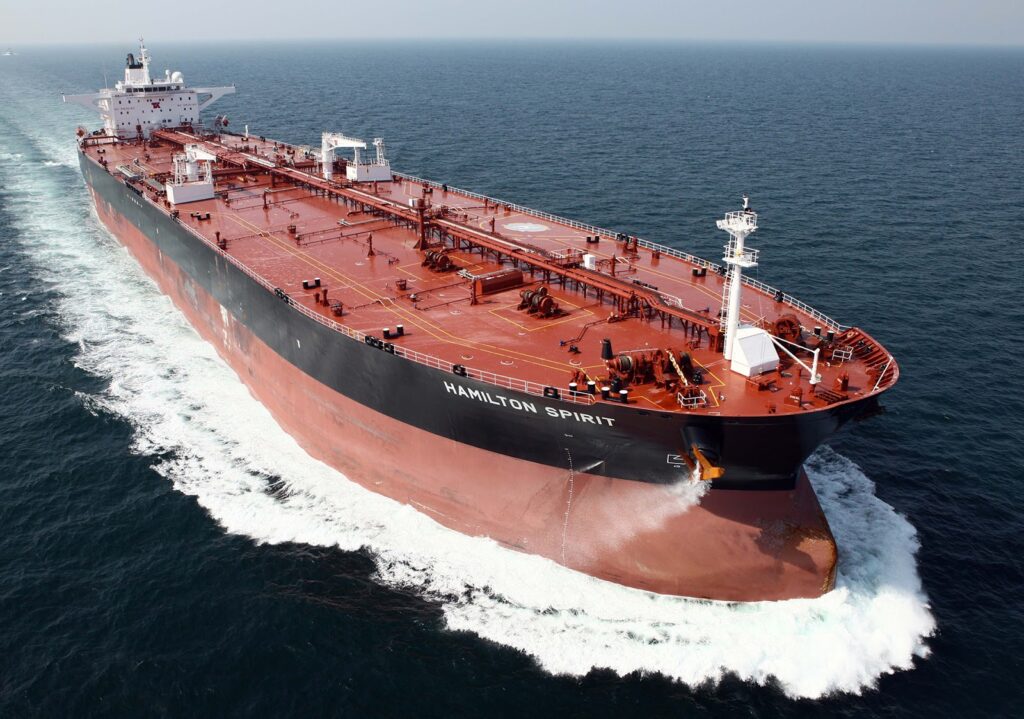
Brent crude climbed past $101 a barrel on Wednesday 9 September 2026, its first time above that mark since July. The trigger was a sharp exchange at sea. The US military destroyed five Iranian crude tankers on Tuesday, Central Command said, in response to attempted attacks on an American warship. Four were hit in the Gulf of Oman and one near Kharg Island, a critical hub for Iran’s oil exports. No American personnel were harmed.
Iran answered. Reuters reported an Iranian attack on 10 ships near the Strait of Hormuz, which appears to be the biggest wave of strikes on shipping by both sides since the war began six months ago.
The price, and the mechanics
Brent futures traded at $101.25 on Wednesday, up 3.4%, and US West Texas Intermediate rose 3.6% to $96.38. By the time Nairametrics wrote it up, Brent had reached $102.5 and WTI $97.58. Prices were heading for their biggest daily percentage rise since 1 September. The peak of the war so far remains $126.41, reached on 30 April. In July, crude was around $75.
The catch is that the price move is less about one day of damage than about duration. “The move towards and back above $100 Brent is reflecting a market that increasingly has to change its view on how long the Middle East crisis will continue to curb supply from the region,” said Ole Hansen, head of commodity strategy at Saxo Bank. Hammad Hussain of Capital Economics named the specific risk: fewer ship-to-ship transfers in the Gulf of Oman, which have so far helped supply reach global markets and kept a lid on prices.
Volumes show why that matters. Rystad Energy’s Claudio Galimberti said 8 million to 9 million barrels a day moved through Hormuz in the week before hostilities resumed on 30 August. Flows have since fallen below 2 million.
Other fronts
Iran-backed Houthi rebels attacked Saudi oil and other infrastructure on Tuesday, and Saudi-led forces said dozens of civilians were injured. The Houthis have also targeted the Bab al-Mandab Strait, which threatens the Red Sea route that has served as the main alternative to Hormuz. Iran has also targeted a US base in Jordan.
Consumers are already paying. Brent and US crude are each up more than 60% this year. AAA data cited by CNN put the national average for gasoline at $4.22 a gallon, with diesel at a record $5.94. The gasoline price rose 7.3 cents in a day, the steepest daily climb since 1 May. The S&P 500 slipped a further 0.3% and the 10-year Treasury yield hovered near 4.8%.
Goldman Sachs’ Daan Struyven told CNBC the flare-up has meaningfully raised the odds of oil breaching $120, particularly if tanker strikes keep Gulf exports depressed. His central scenario still has Gulf shipments recovering as producers redirect cargoes and expand overland pipelines.
Sources
- Brent crude surges above $100 after US, Iran’s biggest tanker attacks
- Oil prices top $101 a barrel as U.S.-Iran tanker war escalates




