
Mariupol, October 5 — The city of Mariupol in southeastern Ukraine continues to grapple with critical food shortages, a direct consequence of prolonged military encirclement and widespread infrastructure destruction during the Russia-Ukraine war. Against this backdrop, humanitarian conditions remain dire for civilians still present or attempting to return, as basic systems for survival have been systematically dismantled. According to United Nations assessments from April 2022, over 90% of Mariupol’s residential buildings were damaged or destroyed, shattering supply chains and halting local food production.
The International Committee of the Red Cross reported in March 2022 that access to the city remained severely limited due to active combat and mined corridors, preventing humanitarian convoys from reaching those in need. By early April 2022, Ukrainian officials estimated that fewer than 100,000 civilians remained in Mariupol, down from a pre-war population of approximately 430,000, with many trapped in basements and shelters without reliable access to food, water, or electricity.
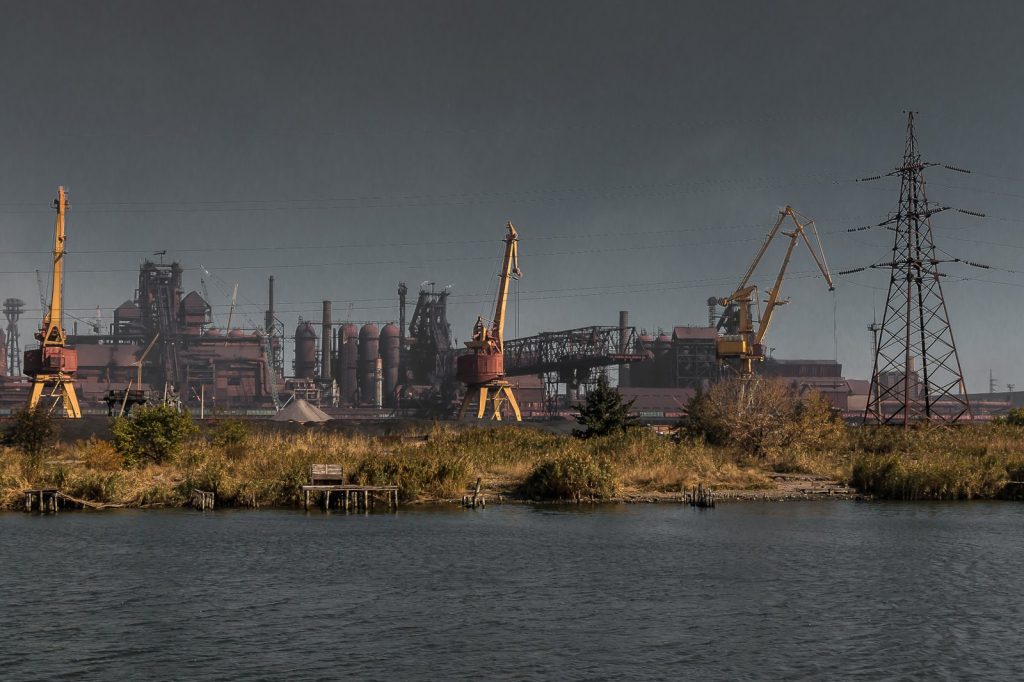
The World Food Programme noted that food distribution efforts were repeatedly delayed or suspended due to security concerns, allowing only sporadic aid to reach civilians through perilous evacuation routes. Russian forces declared control of Mariupol in mid-April 2022 after capturing the Azovstal steel plant, where the last Ukrainian defenders surrendered on May 16, 2022, following a nearly 80-day siege. Post-siege, the UN Human Rights Monitoring Mission in Ukraine documented widespread destruction of civilian infrastructure, including bakeries, grocery stores, and water treatment facilities, further undermining food security.
Satellite imagery analyzed by humanitarian organizations showed extensive damage to residential districts and markets essential for food access. Despite subsequent efforts to establish humanitarian corridors and restore basic services, recovery has been slow due to ongoing demining needs, lack of functioning supply chains, and restricted international access to certain areas.
The situation in Mariupol exemplifies the broader humanitarian challenges faced in besieged urban centers during prolonged conflict, where the collapse of civic systems leads to acute risks of malnutrition and starvation among civilian populations. Looking ahead, the restoration of Mariupol hinges on sustained demining operations, the reestablishment of functional supply chains, and unimpeded humanitarian access — factors that remain uncertain amid the ongoing war. What is at stake is not merely the rebuilding of structures, but the reestablishment of conditions under which civilians can live with dignity and security.
The wider picture reveals a pattern seen in other besieged cities: without urgent, coordinated international support focused on decontamination and service restoration, the specter of hunger will linger long after the front lines shift. For now, Mariupol stands as a stark reminder of how war erodes not just territory, but the very foundations of civilian life.




