LOUDOUN COUNTY, Va., July 8 — Mike Chapman, the sheriff of Loudoun County, Virginia, has a copper-theft problem on his hands. And it’s not the kind of crime that happens in the shadows of an empty warehouse at midnight. It’s happening at the very sites where the region’s booming data center industry is building its future.
Chapman, who was elected sheriff in 2019 and took office the following year, has seen copper thefts at data center construction sites spike by 40% in 2024. That’s a lot of wire, a lot of disruption, and a lot of money for the scrap yards that buy the metal without asking too many questions.
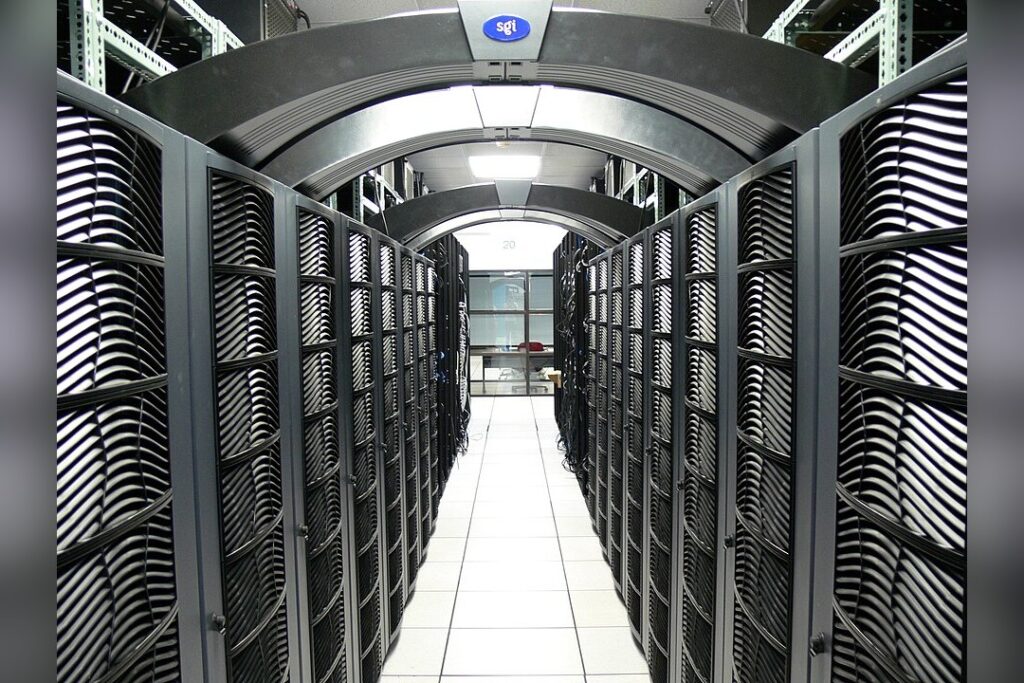
Here’s what it means in plain terms: Data centers are the physical backbone of the internet — the buildings where all your cloud storage, streaming, and AI processing actually happens. They are under construction everywhere in Loudoun County, which calls itself “Data Center Alley.” And copper is the metal that carries electricity and data through those buildings. When thieves rip it out of a half-built structure, they don’t just steal metal.
They stall construction, delay opening dates, and drive up costs for the companies building them. Think of it like this: If someone stole the copper pipes out of a house before the plumber finished installing them, the whole project stops.
Now multiply that by a hundred, and you have the scale of what Chapman is dealing with. In 2024, Chapman formed a task force to tackle the problem head-on. The group brings together local police, data center security teams, and scrap metal dealers.
The idea is simple: share intelligence. If a scrap dealer knows to call the sheriff when someone walks in with 500 pounds of freshly cut copper wire, that’s a lead. If a security team spots a suspicious van circling a construction site at 3 a.m., that’s a tip.
The task force connects the dots. Chapman’s office has also increased patrols in data center zones.
Officers are driving through those construction-heavy areas more often, making it riskier for thieves to operate. And the department is using license plate readers to track suspect vehicles. If a car linked to a copper theft shows up near another construction site, deputies get an alert.
Pushing for tougher laws
Chapman hasn’t stopped at local enforcement. He has publicly urged Virginia lawmakers to pass stricter scrap metal laws. His lobbying helped produce HB 1234 in 2024, a bill aimed at making it harder for thieves to sell stolen copper to scrap yards.
The practical upshot: tighter record-keeping requirements for dealers, and stiffer penalties for those who buy metal without verifying where it came from. The sheriff brings a long career to this fight.
He served as a deputy for 25 years before being elected sheriff. That kind of institutional memory matters when you’re trying to outsmart criminals who know the construction industry’s weak spots. Loudoun County is a prime target for copper thieves because it has so many data centers under construction.
The county is the largest data center market in the world by capacity, according to industry reports. That concentration of valuable metal — copper wiring, grounding cables, and power feeds — makes it a magnet for organized theft rings.
The 40% increase in thefts in 2024 is a sharp jump, and it’s not just a statistic for Chapman. It’s a practical problem that slows down construction timelines and frustrates developers who are already racing to meet demand for cloud computing and AI infrastructure.
What to watch next
The task force is still active, and Chapman’s office continues to coordinate with scrap dealers and data center security teams. The question is whether HB 1234 and increased patrols will be enough to reverse the trend. If copper prices stay high and construction continues at its current pace, the incentive to steal will remain strong.
For now, the sheriff is betting that a combination of boots on the ground, license plate readers, and a tighter legal framework will make Loudoun County a less attractive place for copper thieves to do business. The data centers keep going up.
The question is whether the copper inside them will still be there when they open.