Charges Land Months After a Record US Fine
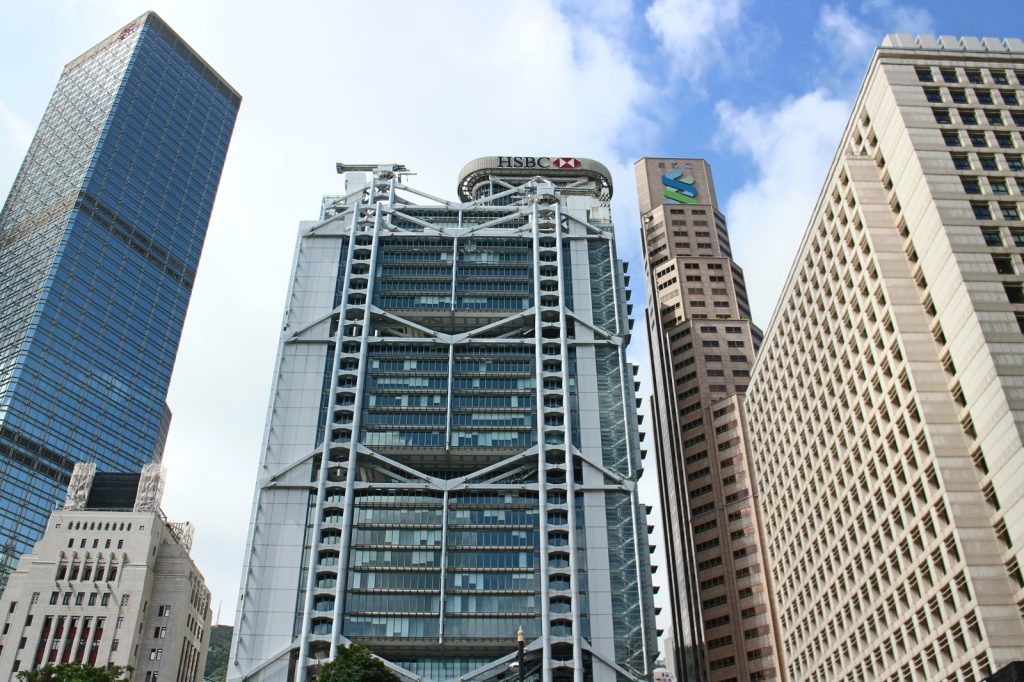
In March 2013, Argentina’s tax authority filed criminal charges against HSBC, accusing the bank of laundering 392 million pesos, about $77 million, with the help of “fake receipts”. The move came less than four months after the lender closed the largest money laundering settlement in US history, and it showed the bank’s legal troubles were no longer confined to Washington and London.
Argentina laid out its case late on a Monday in Buenos Aires. Ricardo Echegaray, who ran the tax agency, said half a year of work had gone into the file. “On the basis of what’s been investigated so far, in six months we’ve recorded 392 million pesos in fraudulent transactions, generated by evasion and money laundering,” he said. Beyond that figure, his agency alleged HSBC had gone further, helping clients dodge taxes on another 224 million pesos.
Echegaray kept the demand simple. “We hope to recover what is due and see the courts apply an appropriate penalty,” he said.
Money laundering, in plain terms, is the business of disguising the proceeds of crime so the cash cannot be traced back to its source. The Argentine filing accused one of the world’s largest banks of doing precisely that, for clients who wanted to keep pesos out of sight of the taxman.
The Bank Promises Cooperation
HSBC did not contest the process. The allegations were “of great concern”, the bank said, and it promised to cooperate with the investigation. Lyssette Bravo, a spokeswoman, offered one formal line. “We are committed to working cooperatively with authorities to ensure a thorough review and appropriate resolution of the matter,” she said.
The context was uncomfortable. In December 2012 the bank had agreed to pay US authorities $1.9 billion to settle laundering charges, the largest sum ever handed over in such a case. It had already admitted that its controls in this area had been too lax, and it was spending to fix them.
The lender said it had put $290 million into improving the systems meant to stop laundering. It had also hired Bob Werner, who had once run the Treasury division that enforces US sanctions, for a newly created role as head of financial crime compliance, with a brief to toughen the bank’s defences on both laundering and sanctions.
For all the noise from head office, the Argentine file now rested with the courts. The tax agency had done its arithmetic; the peso figure at the centre of the case was 392 million, and any penalty was for a judge to decide.
Sources
- HSBC faces new money laundering claims in Argentina – BBC News
- HSBC, Shell Implicated in Argentina Money Laundering Scandal
Sources
- HSBC faces new money laundering claims in Argentina – BBC News
- HSBC, Shell Implicated in Argentina Money Laundering Scandal