Three governments in South Asia have felt the same pressure from the same generation. Young people, angry about jobs, corruption and privilege, organised online and then took to the streets. In India, protests helped force an education minister out in 2026. Bangladesh and Nepal saw governments change after protests in 2024 and 2025. Whether the energy outlasts the headlines is another matter.
India: the cockroach party
The trigger was an exam scandal. In May 2026 the National Eligibility cum Entrance Test for undergraduate medical admissions was cancelled over paper-leak allegations, adding to anger over an education system plagued by repeated leaks. India also has rising unemployment among educated young people, though the government has consistently denied it.
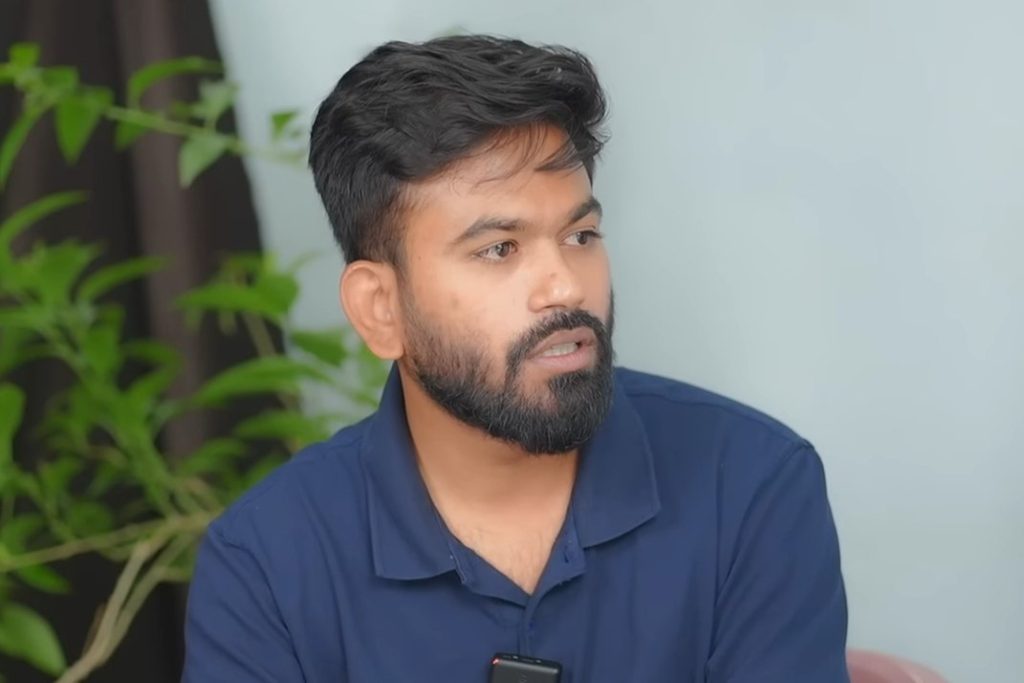
That same month the Chief Justice of the Supreme Court compared unemployed youth to “parasites” and “cockroaches”. The remark produced the Cockroach Janta Party (CJP), founded by Abhijeet Dipke, a Boston University graduate who took a master’s in public relations in 2025. Time reported that its Instagram account gathered 20 million followers within days. Dipke returned to India on June 6.
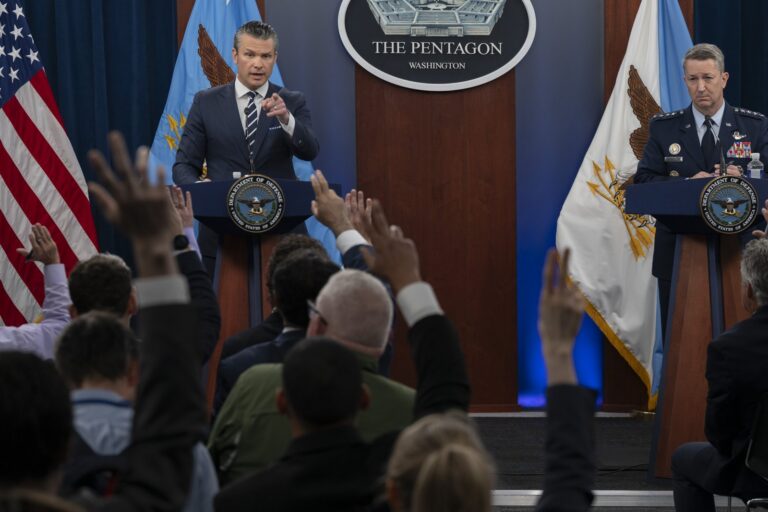
The anger moved offline. Thousands of young protesters gathered at Jantar Mantar in New Delhi, demanding the resignation of Education Minister Dharmendra Pradhan. Authorities used force; protesters documented it on social media and answered, as the account has it, with humour and grit. Pradhan resigned on July 25, 2026. Time quoted one view of why the movement held: the government had no punishment left to threaten that the system did not already deliver daily. Allegations of foreign funding were made against the movement, but India’s Ministry of External Affairs said it had “no information” to confirm them.
In July the government introduced a bill to amend the public examinations law, and Prime Minister Narendra Modi announced an examination reform task force. In September the CJP began a new campaign for the resignation of Chief Election Commissioner Gyanesh Kumar over alleged manipulation of voter rolls. Street protests followed in October, joined by opposition parties and civil society groups. The Election Commission denies the allegations. The CJP has since split, producing the Cockroach Janta Party-Democratic.
Nepal: a ban that backfired
Nepal’s unrest began in September 2025, after the government banned social media platforms that had not met its registration requirements. Young Nepalis read it as an attack on free expression. Politicians were also keen to quiet hashtags such as #NepoKids and #YouthAgainstCorruption, aimed at their children’s lavish lives. The government went further and shut the internet down, badly misjudging the mood.
The ban lit the fuse, but the fuel was old: unemployment, corruption and nepotism. Writing for the Carnegie Endowment, Amish Raj Mulmi noted that 56 percent of Nepalis are under thirty while the leadership’s average age was seventy. Prime Minister K.P. Sharma Oli resigned on September 9, 2025. An interim government followed, and elections in March 2026 were won by Balendra Shah’s Rastriya Swatantra Party, which put Shah in the prime minister’s chair.
Inexperience is the new government’s main hurdle, and deadly floods in August 2026 were an early test. Anil Sigdel of the University of Vienna warned in May of risks including internal fragmentation and bureaucratic resistance. Mulmi argues that earlier generations in Nepal also toppled governments without lasting change.
Bangladesh: from quotas to a new prime minister
Bangladesh’s July Uprising of 2024 began with university students demanding an end to civil service quotas, a third of which were reserved for relatives of 1971 independence war veterans, as the BBC described. It grew into a wider anti-government movement over unemployment and corruption, and turned violent. Curfews, an internet shutdown and mass arrests followed. Prime Minister Sheikh Hasina resigned and fled to India on August 5, 2024, after fifteen years in power. The country’s International Criminal Tribunal said nearly 1,400 people were killed and more than 20,000 wounded.
Claims of involvement by the United States, China and Pakistan surfaced; BBC Monitoring documented them without establishing any foreign role. An interim government under Nobel laureate Muhammad Yunus took over, and in October 2025 it introduced the nonbinding July National Charter, signed by several major parties. Hasina’s banned Awami League was left out, and some activists protested that the document did too little for them. The Institute of South Asian Studies later said early enthusiasm had faded into uncertainty and fragmentation.
Tarique Rahman was sworn in as prime minister in February 2026, with the long-established Bangladesh Nationalist Party in power. In September 2026 people were already back on the streets over living costs and energy prices.