
In early January, someone stripped telephone wire in Clarendon, a rural area of southern New Brunswick between Fredericton and Saint John. About 135 people lost phone service for roughly two weeks.
Clarendon has no reliable cell coverage, so residents could not call 911, said Sgt. Ben Comely of the local RCMP. Officers later found the wire cut up in buckets at a nearby home, the rubber coating melted off. They seized 90 kilograms of copper wire and charged three people with theft of property over $5,000.
The case is one of many. Copper prices have hit record highs, and wire thefts across Canada have left people without phone or internet.
The numbers from the carriers
Bell logged 1,275 incidents tied to copper theft on its network in 2025, said spokesperson Éliane Légaré, up roughly 40 per cent from the year before. The company also pointed to a Quebec Court ruling that awarded it $24,000 in damages from a man convicted of stealing copper in Chicoutimi, Que. That theft cut internet service for 94 customers for more than a day.
Rogers said outage hours linked to vandalism on its networks, attempted copper thefts included, are up 400 per cent since 2022.
Scrap yards under fire
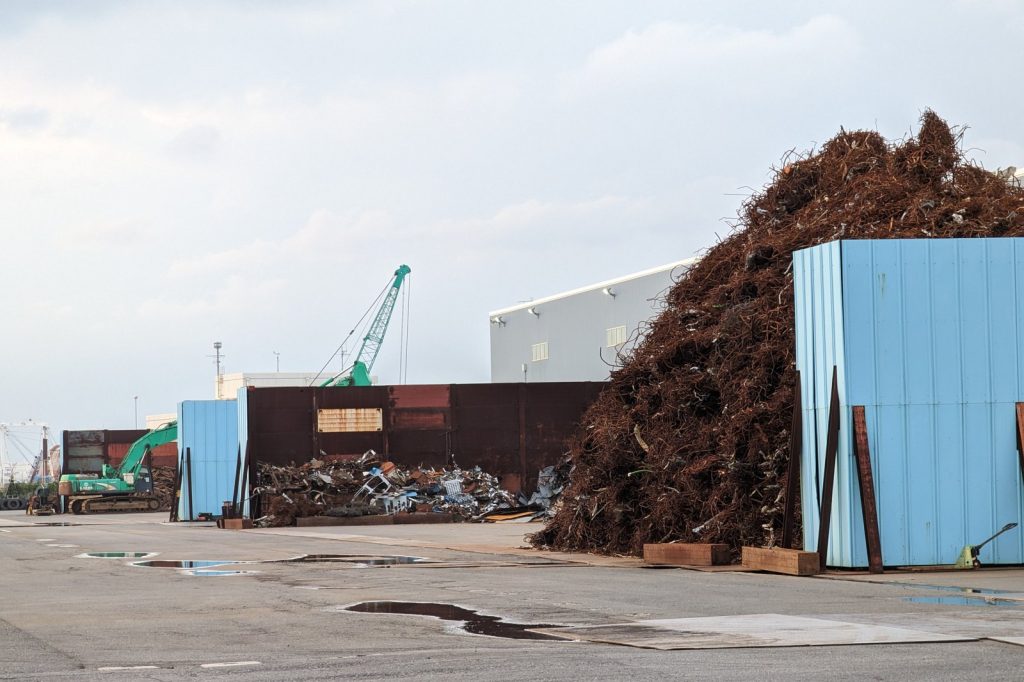
Many people blame the yards. “The (social media) comments, they blame all the scrap yards,” said Daniel Rinzler, owner of D.R. Scrap Metals in Moncton, N.B. He said his yard asks for ID, which deters some thieves, but “there’s still other black markets they could sell copper to.”
Rules differ by province. New Brunswick requires dealers to ask copper sellers for identification. Neighbouring Nova Scotia and Quebec have no such rule. “They can drive 25 minutes, go across the border and they can sell copper there,” Rinzler said. Alberta takes a different route: metal recyclers there report all sales to police through a central database.
A Nova Scotia dealer, whom The Canadian Press agreed not to name because his business had just been broken into, said yard owners do not want stolen goods but risk angering dangerous people by turning sellers away. Stolen phone wire is easy to spot, he said, and he refuses it, though others will buy it. Uniform rules across provinces would probably help if enforced evenly.
Ottawa weighs in
Connie Cody, the Conservative member for Cambridge, Ont., introduced a private member’s bill in the House of Commons last month. Bill C-271 would make it a crime for scrap dealers to trade, traffic or offer for sale metal they know is stolen, with a fine of up to $10,000 and up to two years in jail.
Eric Smith, senior vice-president of the Canadian Telecommunications Association, said wire thefts become a public safety issue once they cut communications. His group supports Bill C-14, a government bill with stiffer penalties for thefts that interfere with critical infrastructure. He also wants provinces to coordinate. “We would like to see all provinces adopt rigorous regulations around this,” he said.
Rinzler called the situation complicated. “If people are going to steal something that’s valuable, that’s what they’re going to do,” he said.




