
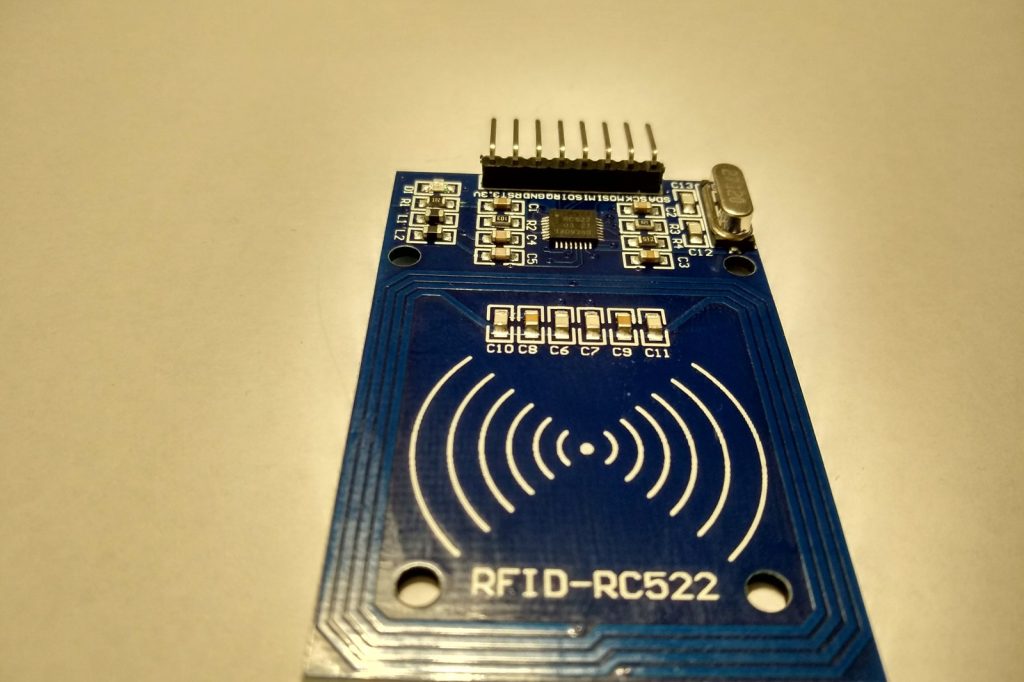
Copper theft, a longstanding drain on infrastructure budgets and builder timelines, is drawing an unprecedented federal and state response in 2025 as law enforcement and industry shift from passive record-keeping to active digital tracking and delayed-payment schemes. Radio-frequency identification tags, small electronic chips that broadcast a unique identifier when scanned, are now being embedded directly into copper wiring, giving scrap yards and police a verifiable chain of custody from construction site to recycling bin.
HID Global is among the companies rolling out these RFID systems, which allow scrap yard operators to scan incoming copper and check its provenance against databases of reported stolen material. The technology does not stop theft entirely, but it raises the legal and financial risk for thieves and the dealers who buy from them. Under new state laws, a scrap yard that accepts a tagged wire without verifying its origin may face liability.
Already, 15 states require some form of electronic tracking for scrap metal as of 2025, a figure that is scaling quickly as the market for RFID solutions expands.
Escalating Threat Prompts Federal Intervention
The problem has moved beyond small-scale pilfering. The FBI launched a task force in 2025 specifically targeting theft rings, which authorities believe are responsible for 60% of large-scale copper thefts.
Local police departments are also deploying drones and AI-based analytics to monitor construction sites, where much of the wiring is stolen before buildings are finished. These measures mark a departure from earlier responses that relied mainly on manual record-keeping and physical site security. In February 2025, the U.S. Congress introduced the Copper Theft Prevention Act of 2025, which would mandate that all scrap metal dealers use a national database to verify seller identities before accepting copper.
The bill has bipartisan support and is expected to pass by late 2025. This federal legislation would serve as a backstop to the patchwork of state laws that have emerged in recent years.
Virginia led the state-level push in 2024 by passing a law requiring scrap dealers to hold payments for 10 days on any copper sale over $100. That cooling-off period is designed to make quick-cash fencing harder for thieves, who typically depend on immediate payment to liquidate stolen goods.
Tracking Tools and Material Alternatives Gain Ground
The core innovation of RFID tagging is straightforward: a small chip embedded in the wiring broadcasts a unique identifier when scanned. Scrap yard operators can then check that identifier against law enforcement databases before accepting the material. HID Global’s systems are already in commercial use, and with 15 states mandating some form of electronic tracking, the market for these tags is scaling fast.
The technology creates a digital paper trail that previously did not exist for copper, a metal that has long been targeted by thieves because it carries value at recycling yards and is found in wiring, pipes, and equipment. Beyond tracking, alternative materials are emerging as a deterrent.
Copper-clad steel offers similar conductivity but lower scrap value, making it less attractive to thieves. However, the technology is not yet widely adopted for data centers, where pure copper remains the standard. Industry observers note that adoption in data centers remains a question mark, with the sector slow to switch despite the material’s potential to reduce theft risk.
The combined effect of these measures is expected to be significant. The National Association of Home Builders projects that RFID tagging, state payment-hold laws, the national database, drone surveillance, and the FBI task force will reduce copper thefts by 30% within two years.
That forecast is an estimate, not a guarantee, but with RFID technology already deployed, 15 states requiring tracking, and a federal bill on track to pass, the tools are in place. The next 24 months will show whether they work. Stolen copper raises costs for builders and disrupts power and communications, meaning readers face those costs in construction delays and infrastructure repairs. Tracking and alternative materials could change how theft is policed going forward.




