
Coordinated Search Effort
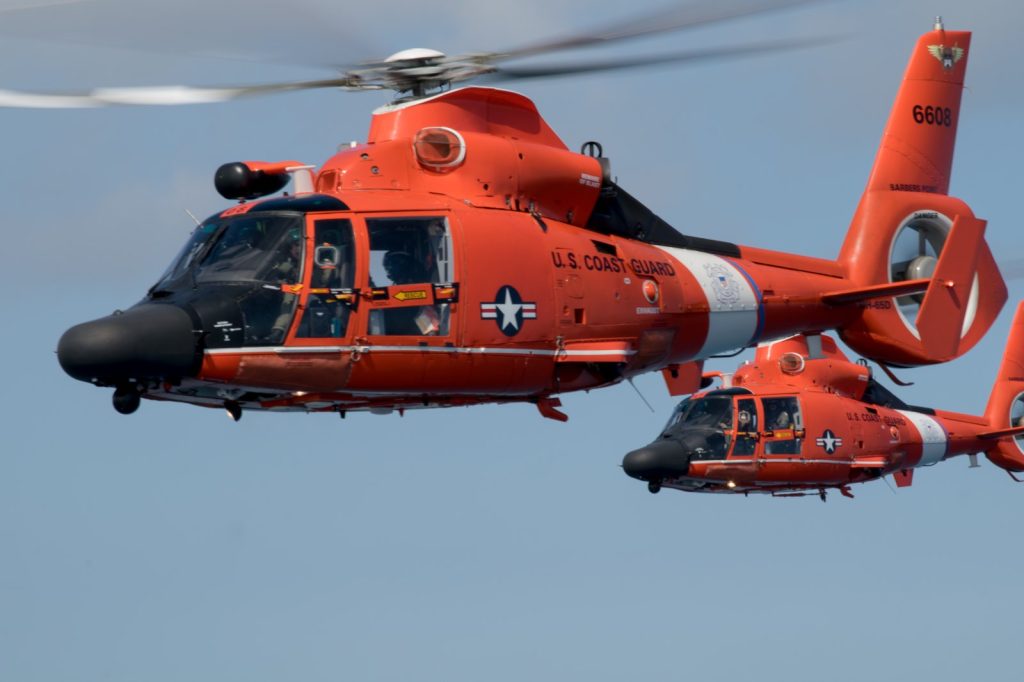
Crews from Coast Guard stations in Marblehead and Toledo, Ohio, located the drifting vessel and immediately launched a search. An MH-60 Dolphin helicopter crew from Air Station Detroit joined the operation from above. Officials stated that all available resources were deployed as local, state, and federal agencies collaborated. The search covered approximately 256 square nautical miles of open water.
The response involved multiple jurisdictions working together. Alongside Coast Guard personnel, the Ohio Department of Natural Resources, U.S. Customs and Border Protection, the Jerusalem Fire Department, and the Toledo Fire Department all participated. The coordinated effort drew on the capabilities of each agency but ultimately did not locate the child.
Local U.S. law enforcement agencies are now leading the investigation into what happened. The Coast Guard has ended its active search, but the case remains open. Authorities are working to piece together the events of the hours before the Coast Guard was notified. How the girl ended up in the water remains unclear. The vessel was found adrift, but no further details about its condition or occupants have been released. The investigation by partner agencies continues.
Lake Erie’s Persistent Dangers
Lake Erie, whose name comes from an Iroquoian word meaning “long tail,” has a long history of human use. French mapmakers recorded it as Lac du Chat in the mid-1600s, and by the 1670s it was known as Lac Érié. The lake forms part of the international boundary between Canada and the United States. Ontario lies along its northern shore, while Michigan, Ohio, Pennsylvania, and New York border its southern and eastern sides.
Cleveland is the largest city on the lake. Buffalo, Erie, and Toledo are other major ports. Lake Erie is the southernmost and shallowest of the five Great Lakes. It is also the smallest by volume. Its primary inlet is the Detroit River, which carries water from Lake Huron. The main natural outlet is the Niagara River, which feeds Niagara Falls and generates hydroelectric power for both nations. A secondary passage, the Welland Canal, diverts water for ships traveling between Lake Erie and Lake Ontario as part of the Saint Lawrence Seaway.
The lake’s shallow depth means waters can shift from calm to hazardous with little warning. Sudden wind changes can build steep waves, making the lake the site of countless rescues and searches over the decades. The same qualities that draw boaters and swimmers also pose persistent dangers.
Environmental challenges have also shaped the lake’s modern history. Decades of pollution, overfishing, and invasive species have strained its ecosystem. Repeated toxic algae blooms have closed beaches and threatened drinking water. Those conditions remain a live concern for communities along the shore. The lake’s health directly affects the safety of those who use it for work or leisure.
For families and communities across the Great Lakes region, the end of the active search carries a heavy weight. The unanswered questions linger. The lake is a place of recreation and livelihood for many, but it can turn dangerous in an instant. The search effort, while extensive, could not bring the closure that so many were hoping for. As local law enforcement continues its work, the focus now shifts to understanding what led to this tragedy. For the family of the missing girl, and for the wider community, the waiting continues.




