
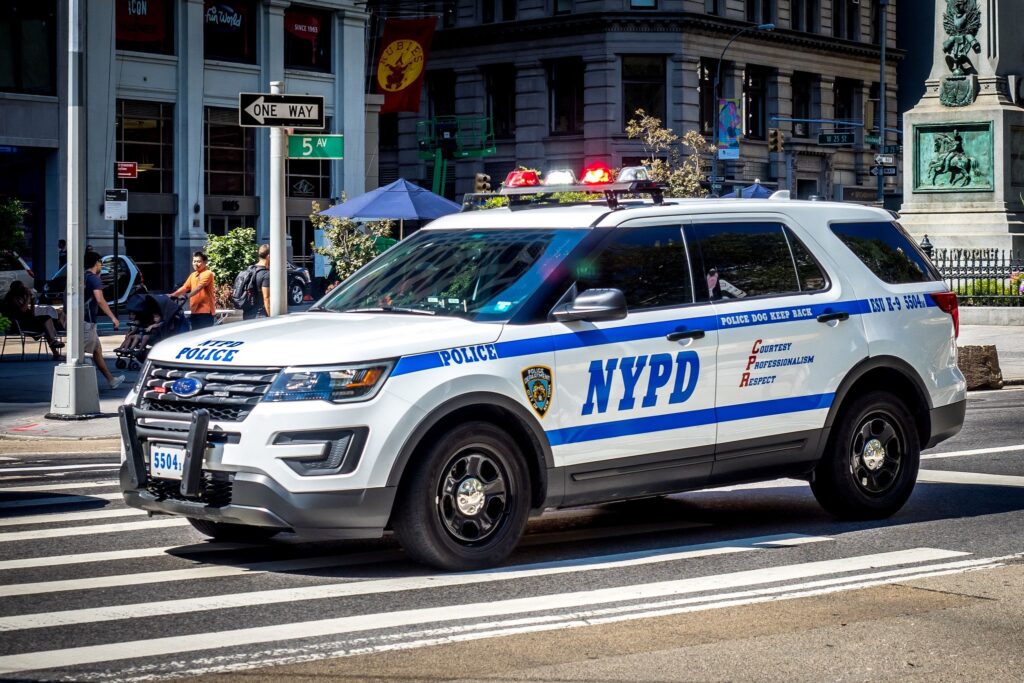
At least 85,000 officers in the United States have been investigated for misconduct. Some are under investigation again and again: nearly 2,500 have faced 10 or more charges.
The behavior covers a wide range. Racial profiling and other discrimination sit alongside arrests, surveillance, searches or seizures made without a required warrant. Other examples include noble cause corruption, where an officer decides good results excuse bad conduct, working while under the influence of drugs or alcohol, and breaking departmental procedure.
Why it persists
Officers in the U.S. often follow what is called the “blue code of silence,” meaning they do not report one another. Some officers call it a myth. A 2005 survey found evidence that it exists. A 2019 study in the journal Nature found that one officer’s misconduct substantially raised the chance that colleagues would also misbehave.
Education matters too. Better-educated officers receive fewer complaints on average. The culture of the agency can shape behavior as well, and so can supervision: most officers have broad discretion and little oversight. Some analyses link changes in structural disadvantage, population mobility and immigrant population to changes in misconduct. In neighborhoods where residents lack the networks to organize against abuse, it can go unchallenged.
Cameras change the record
Smartphones put a video camera in nearly every pocket, and clips of police behavior now spread on social media and YouTube. Some officers have answered with verbal intimidation or violence against people filming them. Others have illegally seized, destroyed or deleted the footage, even though destroying evidence of a crime is itself a crime.
Most charges against people who record police are dropped or dismissed, because courts have ruled that on-duty officers in public have no reasonable expectation of privacy. Police can fall back on vaguer charges, such as interfering with an officer, obstructing an arrest or disorderly conduct. Video has played a key role in cases including the BART police shooting of Oscar Grant and the deaths of Ian Tomlinson and Robert Dziekanski.
Patrol cars carry recorders too. A 2004 study by the International Association of Chiefs of Police and the Community Oriented Policing Services office found the recordings usually rebutted misconduct claims. Body cameras have a mixed record. Early research said they sharply cut citizen complaints and use of force, but later investigations failed to find the same effect.
Civilian agencies are also taking a larger part, running investigations directly and weighing in on discipline.
The cost of settlements
In 2015 the Wall Street Journal reported that the 10 U.S. cities with the largest police departments had spent more than $1.4 billion on misconduct settlements over five years. The annual total peaked at $248.7 million in 2014.
Individual payouts run high. Eric Garner’s family received $5.9 million from New York City in 2015. Abner Louima settled with the city for $8.75 million in 2001. The five men known as the Central Park Five, who were tortured into false confessions, settled for $41 million. Christina Eilman, who was arrested at Chicago’s Midway Airport during a bipolar episode, then released at night in a high-crime neighborhood, received $22.5 million after a fall from a seventh-story window left her with permanent brain damage.
Former Chicago commander Jon Burge is estimated to have cost Chicago, Illinois and Cook County $132 million across more than 20 cases. The Chicago Reporter’s “Settling for Misconduct” database shows a lawsuit against the Chicago Police Department settled, on average, every other day.




