An Uber driver in Minnesota died on Saturday after two weeks in hospital, the victim of an alleged attack in which he was strangled with a seatbelt and run over by his own car. Mohamed Yusuf was assaulted on November 14, according to prosecutors, who plan to upgrade charges against passenger Samit Apurva Patel to second-degree intentional murder.
The Technical Reality of Record My Ride
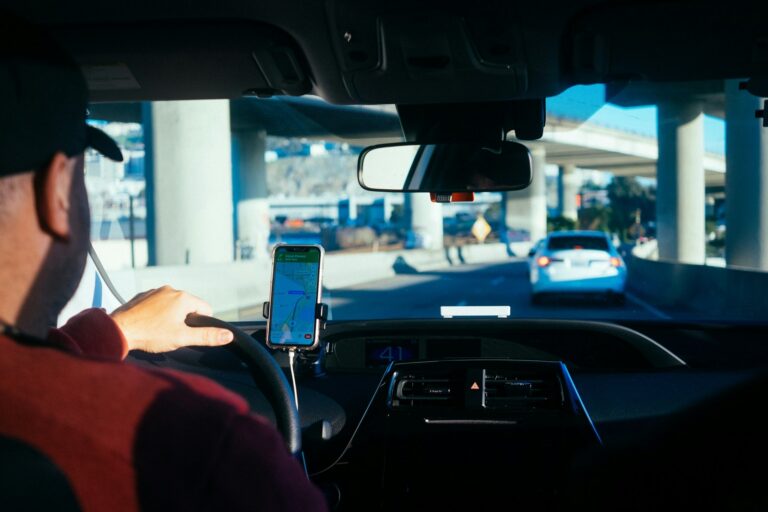
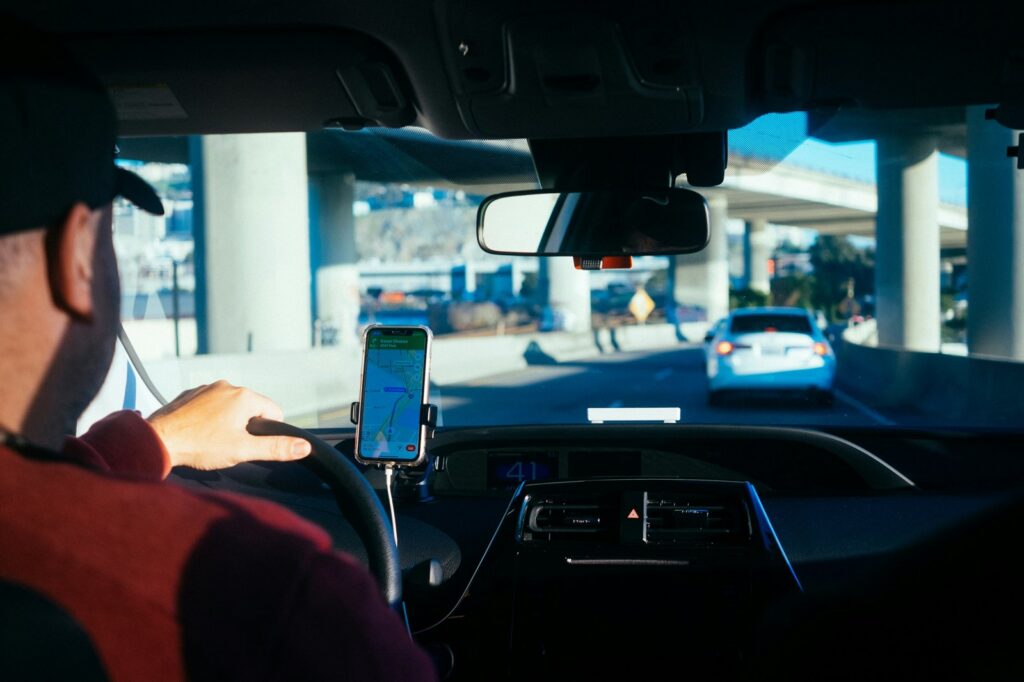
The incident throws a spotlight on the tools Uber has built to protect the people behind the wheel. The centrepiece is Record My Ride, a feature that uses the front-facing camera on a driver’s phone to capture audio and video of the cabin. Uber tested in-app audio recording in late 2019, piloted the video version in 2022, and pushed it nationally across the US in 2024 after a San Francisco launch the previous year.
Under the hood, the recordings are encrypted and stored locally on the driver’s device. They are automatically deleted after a set period. Uber only gains access if the driver uploads the file as part of a safety report or an insurance claim. As of the latest rollout, more than half of active Uber drivers in the US have the feature switched on.
This week, Uber added a rider-facing twist in four cities — Baltimore, Indianapolis, St. Louis, and Raleigh. Passengers can now select a “Recorded Ride” option during the hailing process, which attempts to match them with a driver already running the feature. The choice does not change the fare.
Screening and the Legal Backdrop
Background checks remain the first line of defence, though the industry’s standard is a pre-hire screen rather than continuous monitoring. The gap between that baseline and the risk on the road is now a matter of federal record. Uber faces 4,916 pending cases in a federal multidistrict litigation over passenger sexual assault allegations, according to the October 2026 JPML report. A federal jury in Arizona awarded $8.5 million in February 2026 to a woman who alleged she was raped by a driver, finding Uber liable under an apparent-agency theory.
The company says it is exploring proactive activation of Record My Ride during trips it deems higher risk — late-night journeys, trips involving teenagers, or routes that deviate sharply from the projected course. It is also looking at automatic triggers when a crash is detected.
Insurance and the Liability Gap
Insurance coverage for drivers operates in tiers: personal policy when the app is off, Uber’s contingent liability when the app is on but no ride is accepted, and a $1 million commercial policy from the moment a passenger is in the car. The detail that matters is what happens when a driver is attacked by the very passenger that triggers the top tier of cover. The policy pays for third-party liability and uninsured motorist bodily injury; it does not function as a personal injury wrapper for the driver against the rider.
Lyft mirrors this structure. Neither company’s standard insurance product covers the driver for intentional acts by a passenger, leaving a gap that workers’ compensation — where the driver qualifies as an employee — or civil litigation must fill. In Yusuf’s case, the Hennepin County Attorney’s office has signalled the prosecution will treat the alleged carjacking and assault as intentional murder.
What Comes Next
The next federal bellwether trial in the Uber sexual assault MDL is scheduled to begin January 11, 2027.
Sources
- Uber driver allegedly attacked by passenger in Minnesota dies in hospital: Officials
- Dublin, Ohio Traffic Safety Office roll out Thanksgiving rideshare discounts to curb OVI
- Uber’s ‘Record My Ride’ feature being rolled out in St. Louis
- Uber Riders Can Now Request to Have Their Trips Recorded – CNET
- Uber Sexual Assault Lawsuits
- State offering rideshare credits to keep impaired drivers off Ohio roads this Thanksgiving
Photo: Paul Hanaoka / Unsplash (Unsplash License)