CARTAGENA, November 25, 2026 — Colombian security forces rescued all remaining hostages from a supermarket siege in Cartagena early Wednesday, ending a 16-hour standoff that began with a failed cash-in-transit robbery. President Abelardo De La Espriella described the joint police and military operation as “absolutely flawless” and a “complete success.”
The Cartagena Siege
Armed men took roughly 30 hostages at an Exito supermarket in the La Castellana neighborhood Tuesday morning after police thwarted their attempt to hijack an armored car ferrying cash from a mall, according to the National Police and government statements. Ten captives, including five elderly women, were released by the captors throughout Tuesday before the final assault. The gunmen reportedly demanded seven billion pesos, roughly 1.8 million euros, for the release of the remaining hostages. Social media images showed people kneeling against the store windows with hands seemingly bound, though Reuters could not independently verify the footage.
Joint Command and Tactical Intervention
President De La Espriella traveled to Cartagena Tuesday evening and assumed direct command of the operation. He issued an ultimatum for the captors to surrender by 12:30 a.m. local time Wednesday. When that deadline passed, specialized units from the National Police, military forces, and navy personnel launched the rescue. Radio Caracol reported that long guns, telescopic sights, stun grenades, and a National Police helicopter providing air support were used in the storming of the building. One criminal was killed and others were arrested; all remaining hostages were freed unharmed. The Rafael Nunez airport briefly suspended landings for about 45 minutes as armed forces used a runway in connection with the incident.
Doctrine: Speed, Precision, and Shock Action
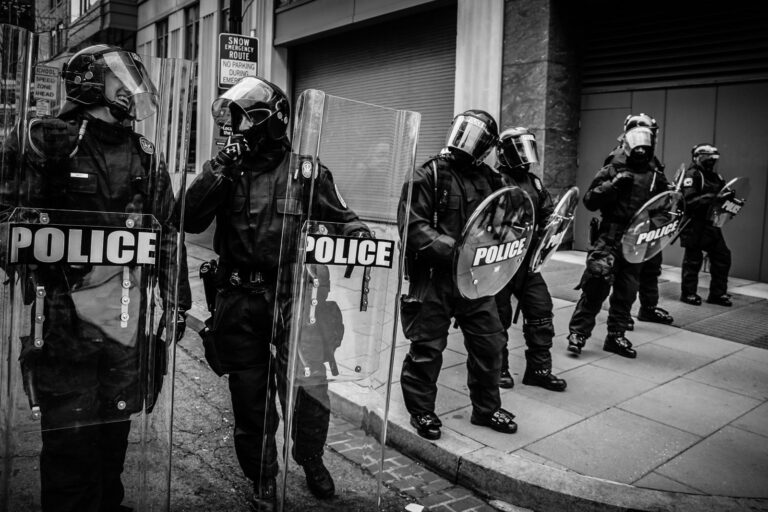
Modern hostage rescue doctrine emphasizes speed, precision, and shock action to neutralize threats before captors can harm hostages or fortify positions. According to general studies on hostage rescue, operations typically involve physical force, negotiation, or a combination of both, executed by specialized military units or police tactical teams such as SWAT. Training exercises conducted by partner nations highlight the same priorities: synchronized entry, rapid threat detection, and immediate suspect disarmament. In recent joint drills between the Indian and Malaysian armies, instructors stressed that seamless integration between specialized teams and effective handler-canine coordination are critical for success in complex urban scenarios.
Specialized Capabilities in Urban Environments
Urban sieges demand capabilities beyond standard patrol response. K-9 teams are deployed for precision tracking and suspect disarmament inside structures where visibility and movement are restricted. House intervention drills focus on detecting adversary movements and swift tactical entry through confined spaces. The Cartagena operation demonstrated these principles: a wide security cordon isolated the La Castellana neighborhood, while air assets and heavy weaponry provided overwatch for the entry teams. The use of stun grenades and coordinated breaching aligns with training standards that prioritize overwhelming force at the point of entry to disrupt the captors’ decision cycle.
Inter-Agency Evolution
Colombia’s security apparatus has been shaped by more than 60 years of conflict involving left-wing rebels, right-wing paramilitaries, and crime gangs fueled by the cocaine trade. The 2016 peace deal with the FARC reduced violence but left dissident factions and groups like the National Liberation Army active. A car bombing in Villavicencio attributed to FARC dissidents injured 22 people on Monday, and a drone attack by the ELN wounded three civilians in Cúcuta the same day. President De La Espriella, in office just over three months, has adopted an “iron fist” policy against crime. The Cartagena rescue — coordinating police, military, and navy assets under presidential command — reflects an operational maturity built on decades of counterinsurgency and urban warfare experience.
What Comes Next
The Ministry of Defense confirmed on X that one kidnapper was killed and others arrested, though the exact number of arrests was not disclosed. The police also posted on X that all hostages were free and unharmed, without specifying a final count. The Consejo Gremial Nacional employers’ association had condemned the hostage-taking earlier Tuesday, citing approximately 30 people held. President De La Espriella linked the supermarket siege to “common criminals” rather than organized insurgent groups, despite the same day’s car bombing and drone attack. “Narcoterrorism is desperate because we are fighting it with determination,” he said Monday. “It intends to intimidate us and force us to back down to seek another false peace process.”
Sources
- Colombian security forces rescue hostages in supermarket siege
- Hostage rescue
- India, Malaysia armies demonstrate combat tracking, hostage rescue during Exercise Harimau Shakti 2026 – The Tribune
- The extremist president of Colombia personally directs a hostage rescue operation
- Police Free Many Hostages from a Supermarket in Colombia
- Indian and Malaysian Armies Showcase Combat Tracking and Hostage Rescue Drills – www.lokmattimes.com
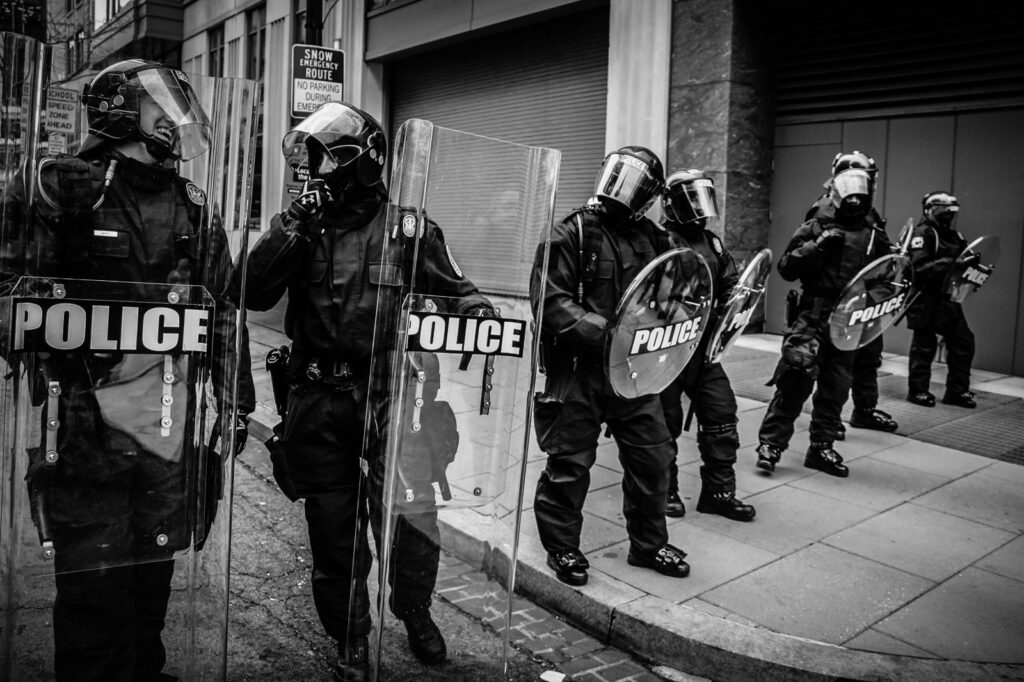
Photo: Spenser H / Unsplash (Unsplash License)