
WASHINGTON, November 9, 2026 — Democrats secured a sweeping victory in the midterm elections, winning control of both the House and Senate and setting the stage for a new legislative and investigative agenda targeting the Trump administration.
Leadership Transition and Legislative Priorities
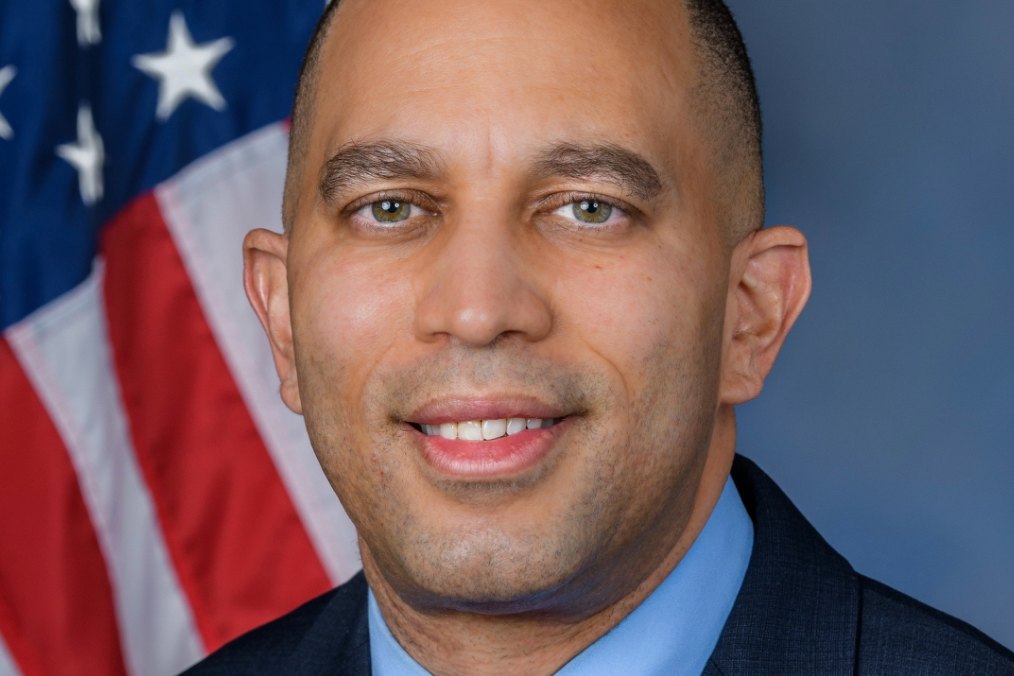
The results give Democrats 254 seats in the House and 54 seats in the Senate. Minority Leader Hakeem Jeffries is poised to become the first Black Speaker of the House when the 120th Congress convenes in January 2027, while Majority Leader Chuck Schumer will lead the Senate. On the ground, the scene in Washington is one of jubilation, with Democrats flipping at least 29 House seats in swing districts including Pennsylvania, Colorado, and Virginia, and winning Senate races in Texas, South Carolina, Kansas, and Iowa.
By nightfall, the legislative priorities are clear. Democrats plan to reinstate expired Affordable Care Act premium subsidies and reverse nearly $1 trillion in Medicaid cuts from the Working Families Tax Cuts Act. They also intend to introduce legislation to end the Trump administration’s global tariffs and restore congressional authority over trade policy. Addressing the affordability crisis is a central theme, with promises to lower the cost of groceries, gas, and housing. Rep. Pete Aguilar, House Democratic Caucus Chair, expressed confidence on election night, linking the party’s success to what he described as Trump’s “failed promises” on the economy and a “reckless war of choice in Iran” that raised gas prices.
Investigative Focus: Immigration and War
With oversight power, Democrats are preparing for a fight. The House Homeland Security Committee has signaled investigations into immigration enforcement and alleged abuses by the Department of Homeland Security, promising subpoenas and hearings for ICE leadership. The social media exchange between Rep. Robert Garcia, who is set to lead the House Oversight Committee, and ICE Director Markwayne Mullin captures the tension: Garcia posted “clear your calendar,” and Mullin responded, “Deportations will continue”. Democrats also plan to focus on ending the war in Iran, a key issue they blame for rising fuel costs.
Procedural Hurdles and Social Security
The path forward is not without obstacles. Most major legislation requires 60 Senate votes to overcome a filibuster, meaning Democrats will need Republican support despite their majorities. They may use the budget reconciliation process to pass some policy changes with a simple majority. Another major challenge is the solvency of Social Security. The program’s retirement trust fund is projected to exhaust reserves in late 2032, which could trigger a 22% benefit cut without congressional action. A leading Democratic proposal is the Social Security Expansion Act, sponsored by Senators Bernie Sanders and Elizabeth Warren, which would apply the payroll tax to income above $250,000 and increase benefits by an estimated $200 per month.
By nightfall, the 120th Congress is set to convene on January 3, 2027.
Sources
- Alabama's congressional districts
- Democrats take the House. Here’s what they plan to investigate and their legislative agenda
- What Democrats plan to prioritize if they retake the House
- Inside the Democrats' Plans to Take On Trump
- Empowered congressional Democrats gear up for battles over immigration and ICE oversight
- Democrats now control Congress: What are their plans for fixing the Social Security crisis?
Photo: Office of Representative Hakeem Jeffries (Public domain)




