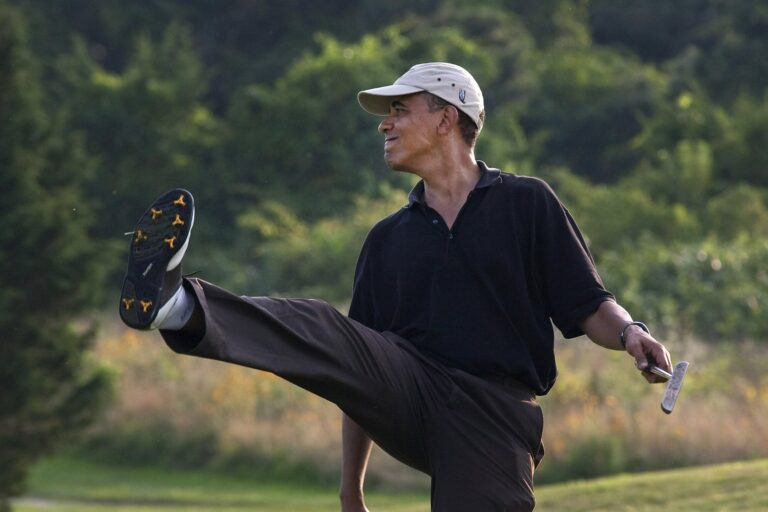
Former President Joe Biden’s career, spanning over five decades in American politics, has concluded with a narrative that contrasts sharply with his legislative beginnings. What began with a rise through the Senate and a victory in the 2020 presidential election now ends with a final report alleging cognitive decline, a pardon for his son, and record-high border encounters. The trajectory of the 46th president, who served from 2021 to 2025, offers a case study in the shifting calculus of presidential authority and legacy in the modern era.
Biden’s political foundation was laid in Delaware, where he represented the state in the U.S. Senate from 1973 to 2009. During this period, he established himself as a legislative heavyweight, chairing both the Senate Judiciary Committee and the Foreign Relations Committee. His influence was visible in major domestic legislation, including the drafting and leading passage of the Violent Crime Control and Law Enforcement Act and the Violence Against Women Act. He also oversaw six U.S. Supreme Court confirmation hearings, including the contentious proceedings for Robert Bork and Clarence Thomas. These years cemented his reputation as a skilled negotiator and a central figure in the Democratic Party’s establishment.
The Rise to the Top
After eight years as vice president under then-President Barack Obama, Biden secured the Democratic nomination for the 2020 presidential election. He chose Kamala Harris as his running mate, a strategic pairing that highlighted his experience in governance and foreign policy. His victory in the 2020 election brought him to the White House, marking the culmination of a career that included unsuccessful runs for the Democratic presidential nomination in the 1988 and 2008 primaries. As the 46th president, Biden entered office with a mandate to address a wide range of domestic and international challenges, positioning himself as a stabilizing force in a turbulent geopolitical landscape.
However, the final years of his administration were defined by intense scrutiny over border security. According to data from U.S. Customs and Border Protection (CBP), Southwest border encounters exceeded 179,000 in April 2024. The House Homeland Security Committee stated that the administration was on track to reach 10 million nationwide encounters before the end of the fiscal year. The committee highlighted that encounters at Southwest border ports of entry in April 2024 grew nearly 100 percent compared to April 2021. These figures, released in a factsheet by the House Committee on Homeland Security, underscored the broader stakes of border policy as a central issue in the final stretch of Biden’s term.
Family Scandal and the Pardon
The personal dimension of Biden’s presidency became a focal point of public debate following the legal troubles of his son, Hunter Biden. In June 2024, Hunter Biden was found guilty in Delaware of three felony counts relating to his purchase of a handgun in 2018. He had written on his gun-purchase form that he was not a user of illicit drugs, a statement he later admitted was false. In September 2024, he pleaded guilty to nine federal tax charges in Los Angeles. These convictions made him the first child of a sitting president to be convicted of a crime, a development that dominated political discourse in the months leading up to the 2024 election.
On December 1, 2024, Biden issued a “full and unconditional” pardon to his son, covering the federal gun and tax charges. This decision marked a significant reversal, as Biden had previously stated he would not use his executive authority to pardon his son or commute his sentence. In a statement released by the White House, Biden argued that his son had been treated differently and that the charges came about only after several of his political opponents in Congress instigated them to attack him. He maintained that he had long refused to interfere with the Justice Department’s decision-making but concluded that his son had been subjected to a miscarriage of justice. The pardon was issued just days before Hunter Biden was scheduled to be sentenced in both cases.
The Autopen Report and Cognitive Questions
In October 2025, the House Committee on Oversight and Government Reform released a staff report titled “The Biden Autopen Presidency: Decline, Delusion, and Deception in the White House.” The report alleged that Biden’s top advisors and personal physician concealed his mental and physical decline from the American people. It claimed that as Biden’s condition deteriorated, his aides exercised presidential authority and facilitated executive actions without his direct authorization, including the misuse of the autopen. The committee found “no record demonstrating President Biden himself made all of the executive decisions that were attributed to him.”
Chairman James Comer sent a letter to U.S. Attorney General Pam Bondi, requesting a comprehensive review of all executive actions taken during the Biden presidency. The committee deemed the autopen-signed executive actions “void” and urged the Department of Justice to consider whether the clemency granted to Hunter Biden might be invalid. The report also scrutinized key aides, including Dr. Kevin O’Connor, Annie Tomasini, and Anthony Bernal, who pleaded the Fifth Amendment during the investigation. Biden publicly disputed the report’s findings, asserting that he made all decisions as president and calling Republicans who suggested otherwise “liars.” The release of the report intensified questions over the limits of presidential authority and the documentation of executive decision-making.
Legacy and Current Status
Biden withdrew from the 2024 presidential race, a decision that shifted the political landscape and paved the way for Donald Trump’s return to the White House in January 2025. The final months of his presidency were marked by these controversies, from the border crisis to the autopen allegations and the pardon of his son. As a retired politician, Biden’s legacy is now defined by these final chapters, which contrast with his earlier achievements in the Senate and as Vice President from 2009 to 2017.
The broader stakes of Biden’s arc reflect the evolving nature of political accountability in the United States. The questions raised by the Oversight Committee report and the public reaction to the pardon signal a deepening scrutiny of executive power and the personal conduct of leaders. For now, Biden remains a central figure in the ongoing debate over the legacy of his administration, with the legal and political consequences of his final decisions still unfolding. The record of his presidency, from legislative wins to the controversies of his final year, continues to shape the political discourse in Washington and beyond.
Sources
- Oversight Committee Releases Report on the Biden Autopen Presidency – United States House Committee on Oversight and Government Reform
- GOP-led Oversight Committee says Biden pardons signed by autopen are ‘void’ in final report | CNN Politics
- Joe Biden issues ‘full and unconditional’ pardon to son Hunter
- US President Biden gives son Hunter 'full and unconditional' pardon
- STARTLING STATS FACTSHEET: Biden Administration on Track to Reach 10 Million Encounters Nationwide Before End of Fiscal Year
- Joe Biden
- Ex-FBI employees charged with lying to Congress over Hunter Biden inquiries
Photo: Benjamin Olding, International Autopen Company (CC BY-SA 3.0)