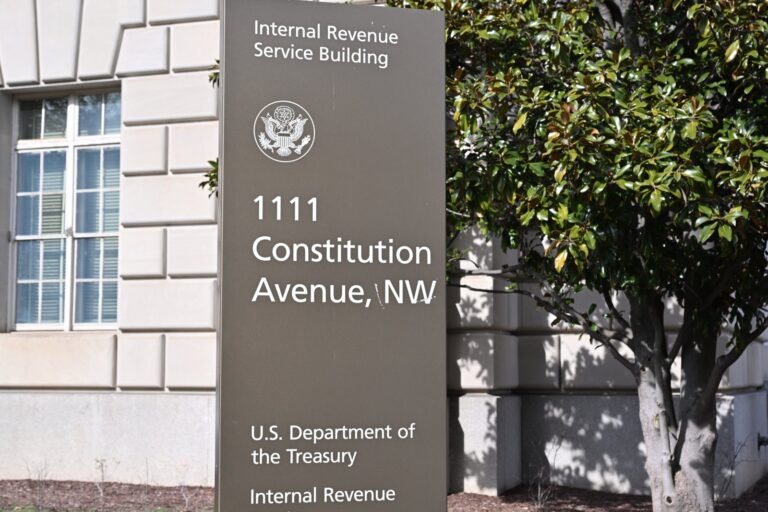
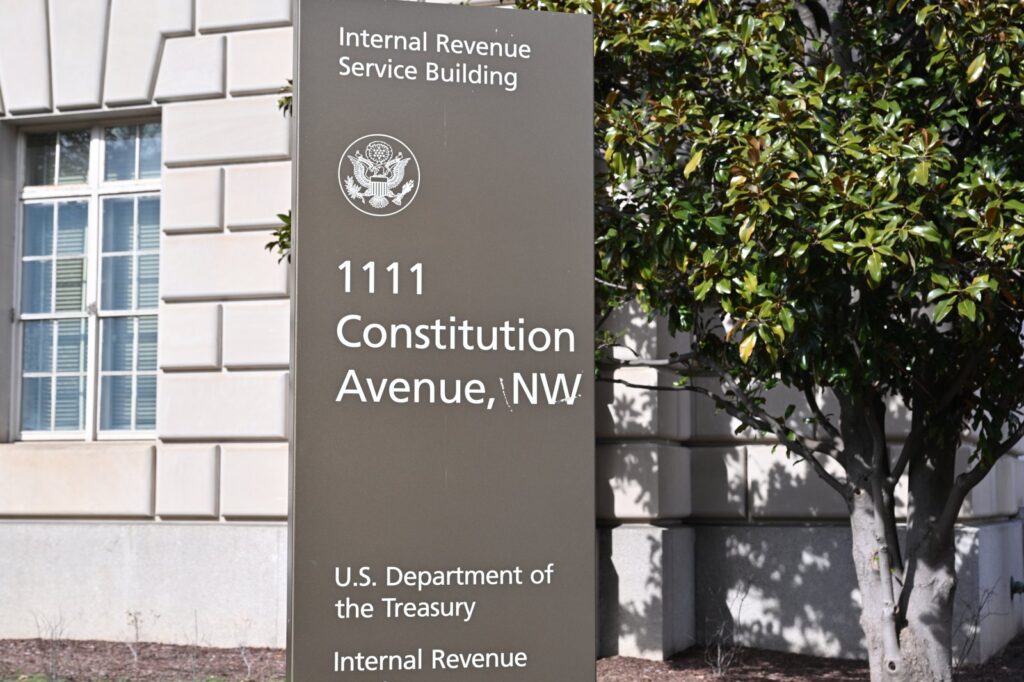
When the head of a Connecticut prep school stepped down this week, residents describe a hushed hallway and a sudden scramble of staff to secure files, all under the looming shadow of an IRS criminal investigation.
What Triggers an IRS Probe of a Private School?
The IRS enforces federal tax laws for all entities, including nonprofits, through audits, criminal investigations, and compliance programs. Private schools that enjoy 501(c)(3) status must avoid private inurement and must tax any unrelated business income. A probe can start when the agency flags discrepancies between a school’s Form 990 and its actual operations, or when it detects payroll or revenue misclassification.
Common Fraud Schemes in Private Schools
Investigators often focus on three high‑risk areas. First, payroll fraud arises when schools misclassify employees as independent contractors to dodge payroll taxes. Second, revenue misclassification occurs when tuition is recorded as charitable donations, inflating the school’s exempt‑income claim. Third, schools may generate unrelated business income—profits from cafeterias, bookstores, or summer camps—without reporting it, violating the requirement that such income be taxed.
How the IRS Enforces the Rules
The Criminal Investigation division handles cases involving willful evasion, false statements, or conspiracy to defraud the government, and it has jurisdiction over schemes that cause $10,000 or more in losses. Enforcement tools include summonses, subpoenas, and criminal referrals to the Department of Justice. Audits can lead to back taxes, penalties, fines, or revocation of tax‑exempt status.
Scope of IRS Nonprofit Audits
In FY 2025 the IRS processed nearly 271 million tax returns and collected $5.3 trillion in revenue, with enforcement activities that include nonprofit audits for compliance violations. A 2023 IRS report found that nonprofit non‑compliance costs the government billions annually, with schools frequently targeted for improper payroll practices. Despite an 18 % cut in enforcement funding in the FY 2027 budget request, the agency continues to prioritize high‑risk areas such as executive compensation and related‑party transactions.
When a School Head Resigns Under Investigation
Resignations typically follow findings of financial mismanagement—improper expense reimbursements, off‑book transactions, or conflicts of interest. The departure does not end the probe; the IRS may still pursue criminal charges against individuals and assess liabilities against the institution.
Expert Guidance to Avoid Scrutiny
Schools can reduce risk by filing accurate Form 990s, properly classifying tuition as exempt income, and reporting any unrelated business income on Form 990‑T. Maintaining clear payroll records and ensuring all staff are classified correctly helps prevent the most common trigger—payroll fraud. Regular internal audits and transparent governance structures further guard against the private inurement violations that can attract criminal referrals.
By nightfall, the former prep school head’s office sits empty, but the IRS’s Criminal Investigation division continues its work, armed with the authority to pursue fraud schemes that cross the $10,000 threshold.
Sources
- Internal Revenue Service
- 2027 Tax Brackets
- FY2027 Internal Revenue Service Budget Request
- IRS releases new tax brackets, raises standard deductions — see what your 2027 tax rate will be
- Everyday Economics: Tax changes can cushion inflation but can't restore lost purchasing power
- Rivers State has not taken any loans – Egbunefu, RIRS Chairman – Businessday NG
Photo: G. Edward Johnson (CC BY 4.0)