The memorial on June 9 was not just a ceremony. It was a reckoning.
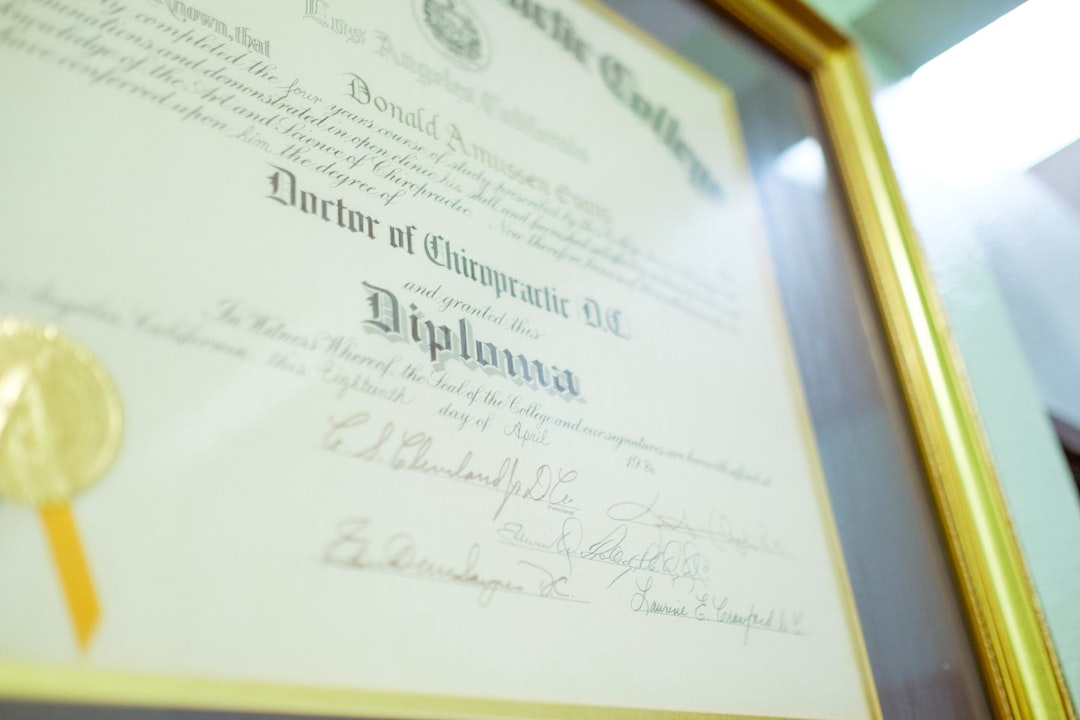
Murry Foust, a trans student, received a posthumous arts degree from the university that day. The degree was awarded at a memorial. That choice of venue matters. It means the university did not simply mail a diploma to a family. It stood in a room, in front of people who came to mourn, and made a public statement.
These degrees are rare. They are not handed out for every lost student. A posthumous degree requires a decision, a vote, a signature. Someone on that campus had to argue for it. Someone had to push paperwork through. The fact that it happened at all tells you the university believed Foust’s work deserved recognition that could not wait for a normal graduation cycle.
The timing is also significant. June 9. That places the event at the end of the academic year, when universities typically hold their commencement ceremonies. Foust’s classmates likely walked across a stage in the days before or after. Foust did not. The memorial stood in for that moment.
Being a trans student adds another layer. Universities have been under pressure for years to address inclusion. Policies change. Bathroom access gets debated. Deadnaming becomes a scandal. But a posthumous degree cuts through that noise. It is a concrete action. It says the institution recognizes the person as they were, not as the world might have tried to force them to be.
The community reaction will matter. Memorials are raw. People bring grief. They also bring expectations. For some, this degree will feel like justice. For others, it may feel overdue. The university cannot control how its gesture lands. It can only make the gesture.
What led to this moment? The report does not say. There is no mention of how Foust died, or whether the university had resisted requests before. But the fact that a memorial was held suggests a community that had already organized around loss. The degree becomes part of that organizing. It is a formal acknowledgment from an institution that often moves slowly.
Universities are conservative places. They like precedent. They like committees. They like to deliberate. Awarding a degree after death is not a casual decision. It requires someone to say, “This matters enough to break the usual rules.” That someone existed. That someone pushed.
The arts degree also carries weight. Art programs are often the first to face cuts. They are seen as soft. But Foust’s degree says the university valued what Foust made, what Foust studied, what Foust contributed. That is not nothing.
Looking ahead, this event will sit in the university’s history. It will be cited by future students who ask for recognition. It will be a reference point. It will be used. That is how these things work. One decision becomes a precedent. One memorial becomes a policy.
The university chose to hold the ceremony on June 9. It chose to award the degree. It chose to honor a trans student in front of a grieving community. Those choices are now part of the record.