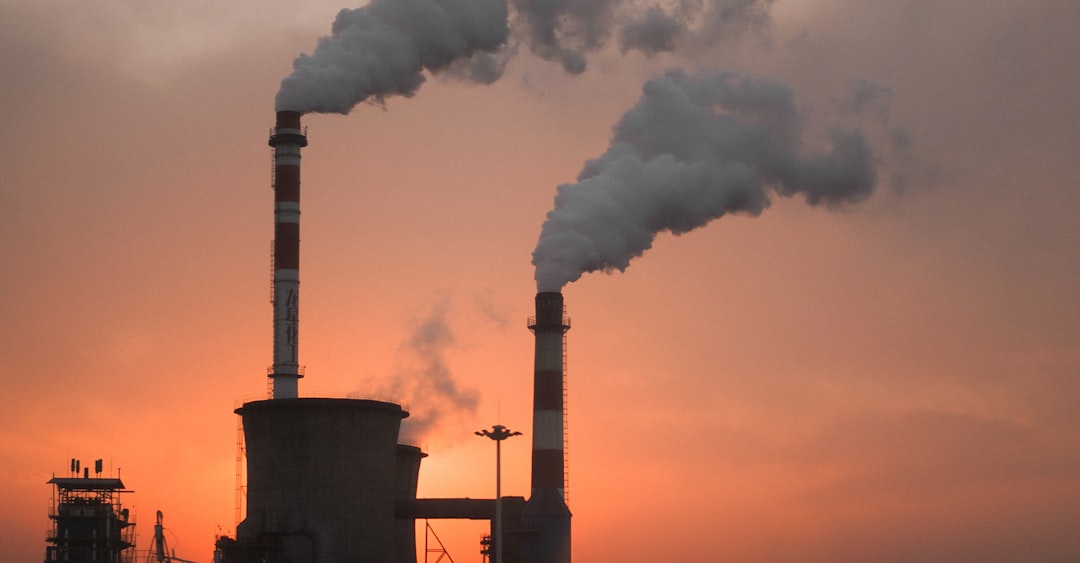
The steel plant explosion that investigators now suspect was triggered by a gas build-up did not happen in a vacuum. Heavier-than-usual industrial activity was underway at the facility in the period leading up to the blast, according to the preliminary factory report cited by The New Indian Express. That detail is the first concrete clue about the conditions that may have set the stage for disaster.
Experts are now focused on a narrow question: how did the gas accumulate? The answer will determine whether this was a freak accident or a preventable failure. The factory report does not yet specify which gas was involved, where it pooled, or what ignition source set it off. Those are the missing pieces in a puzzle investigators are still assembling.
The timing matters. The plant was running at an elevated tempo when the explosion occurred. That suggests a direct link between production pressure and the conditions that allowed gas to build up. Industrial plants that push output often push safety margins too. The preliminary report flags this connection without making a final judgment. It is a line of inquiry, not a conclusion.
What investigators will now scrutinize is the chain of events. Did someone skip a ventilation check? Was a sensor malfunctioning or missing? Were workers trained to recognize the warning signs of gas accumulation? The report says the probe will examine whether safety protocols were followed and whether any breaches led to the gas build-up. That is standard language in a preliminary finding, but it carries weight. It means the investigators have not ruled out human error or systemic neglect.
The steel industry is no stranger to gas-related accidents. Blast furnaces, coke ovens, and basic oxygen furnaces all produce or use gases that are toxic, flammable, or both. Carbon monoxide is a common culprit. So is hydrogen. So are various hydrocarbon vapors. Each behaves differently. Each requires specific monitoring and ventilation. The preliminary report does not name the gas, but the investigative team will know within days.
For the plant itself, the stakes are high. A finding that gas build-up caused the blast will trigger a cascade of consequences. Regulators will want to see proof that the facility can operate safely before it resumes full production. Insurance adjusters will pore over the same evidence. Lawyers will be watching too. The families of anyone killed or injured in the blast will want answers, and those answers will shape any legal action that follows.
The wider industry is also paying attention. Steel plants around the country operate under similar conditions, with similar equipment and similar pressures to meet production targets. If a gas build-up caused this explosion, every plant manager will need to ask whether the same thing could happen on their watch. The preliminary report does not answer that question, but it forces it into the open.
The investigation is still in its early stages. The report cited by The New Indian Express is a preliminary factory report, not the final word. More information is expected to emerge as experts piece together the sequence of events leading up to the blast. What happens next will depend on what they find. The steel plant and the relevant authorities will be taking a close look at the findings, and the outcome will inform any measures taken to prevent a repeat.