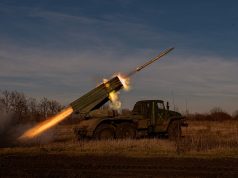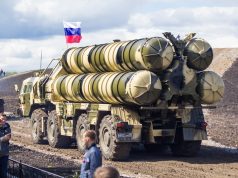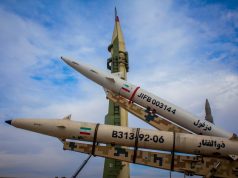
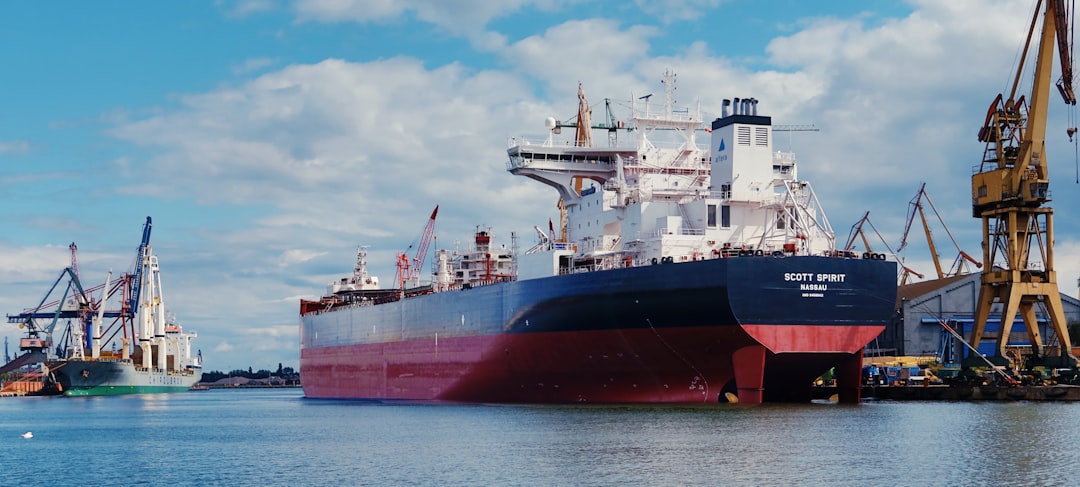
The world’s most important oil chokepoint is now a war zone. The Strait of Hormuz, a narrow waterway that connects the Persian Gulf to the Arabian Sea, sits at the center of a rapidly escalating conflict between the United States, Israel, and Iran. This is not a theoretical crisis. Iran has been threatening to disrupt oil shipments through the strait. That threat alone reshapes global energy calculations.
The strait is the sole outlet for oil exports from Iran, Iraq, Kuwait, Qatar, and the United Arab Emirates. No alternative route exists for those countries. A blockade or a military clash in that narrow channel would cut off a massive share of the world’s crude supply. Tankers cannot simply go around. The economic stakes are brutally simple: prices spike, supply chains buckle, and nations that depend on Persian Gulf oil face immediate shortages.
Iran’s government has long been considered a hostile actor by the West. Its recent provocations are not new, but the response is hardening. Israel, which has long been at odds with Iran, is reportedly working closely with the United States on a joint approach. Both countries share a deep concern about what Iran might do next. The U.S. president has been briefed. His national security team is developing a response focused on protecting American interests and maintaining regional stability.
Hezbollah, the Iranian-backed militant group based in Lebanon, has also been drawn into the conflict. Reports indicate the group is preparing for potential action against Israel. That opens a second front. A war in the strait would not stay contained to the water. Hezbollah’s involvement means northern Israel becomes a target. The web of alliances and rivalries in the region is complex, and it is now fully engaged.
No one knows what will happen next. That uncertainty is itself a weapon. Markets hate ambiguity, and the situation is extremely fluid. The United States and Israel are clearly taking a firm stance. But firmness does not guarantee control. The strait is narrow. A single mine, a disabled tanker, or a missile strike could close it for weeks.
The conflict is not just about oil. It is about the rules of the global order. A state threatening a strategic waterway is not a local dispute. It is a direct challenge to the system that moves energy around the planet. The U.S. response will signal whether that system can be defended. Allies in the region are watching. So are adversaries.
Iran’s aggressive behavior has been building for years. The West has tried sanctions, diplomacy, and deterrence. None of it has stopped the provocations. Now the confrontation has reached a physical chokepoint. The Strait of Hormuz is not abstract. It is a real piece of water, 21 miles wide at its narrowest point. Ships pass through it every day carrying the fuel that powers economies from Tokyo to London.
If that flow stops, the consequences are immediate. Gasoline prices rise. Industrial production slows. Governments tap strategic reserves. The longer the disruption, the deeper the damage. A war in the strait would not be a short, clean affair. It would be a grinding, high-stakes struggle over who controls the world’s energy lifeline.
The United States and Israel are taking a strong stance. That is clear. But strong stances do not always prevent war. Sometimes they accelerate it. The coming days will determine whether this is a show of force or the beginning of a broader conflict. The Strait of Hormuz is the stage. The players are set. The outcome is anything but certain.