Manila is now on a formal diplomatic footing with Beijing over the West Philippine Sea. The Department of Foreign Affairs confirmed Wednesday that the Philippines has filed a protest and issued multiple demarches — the diplomatic term for a formal protest — against China. Deputy Assistant Secretary Rogelio Villanueva Jr. delivered the announcement.
The move shifts the dispute from public statements to official channels. A demarche is not a casual note. It is a government-to-government document that carries weight. Several of them, as Villanueva noted, signal a sustained objection, not a one-off complaint.
What happens next depends on how China responds. Demarches typically demand a reply. If Beijing ignores them or dismisses them, Manila faces a choice: escalate further or accept the rebuff. The Philippine government has not said what its next step would be.
The West Philippine Sea has been a flashpoint for years. Chinese vessels have operated in areas Manila claims as its exclusive economic zone. The 2016 arbitral ruling in the Philippines’ favor did not change China’s behavior. This protest is the latest in a long line of attempts to enforce that ruling.
For the Philippines, the stakes are concrete. Fishing grounds, energy reserves, and strategic shipping lanes all sit inside the disputed waters. A formal protest puts those interests on the record. It also signals to allies — particularly the United States, which has a mutual defense treaty with Manila — that the Philippines is pursuing diplomatic remedies before any potential military response.
Villanueva’s statement was brief. He did not specify how many demarches were sent or what the protest specifically demanded. He did not name Chinese officials or set a deadline for a response. That lack of detail is itself a diplomatic signal. Manila is keeping its options open.
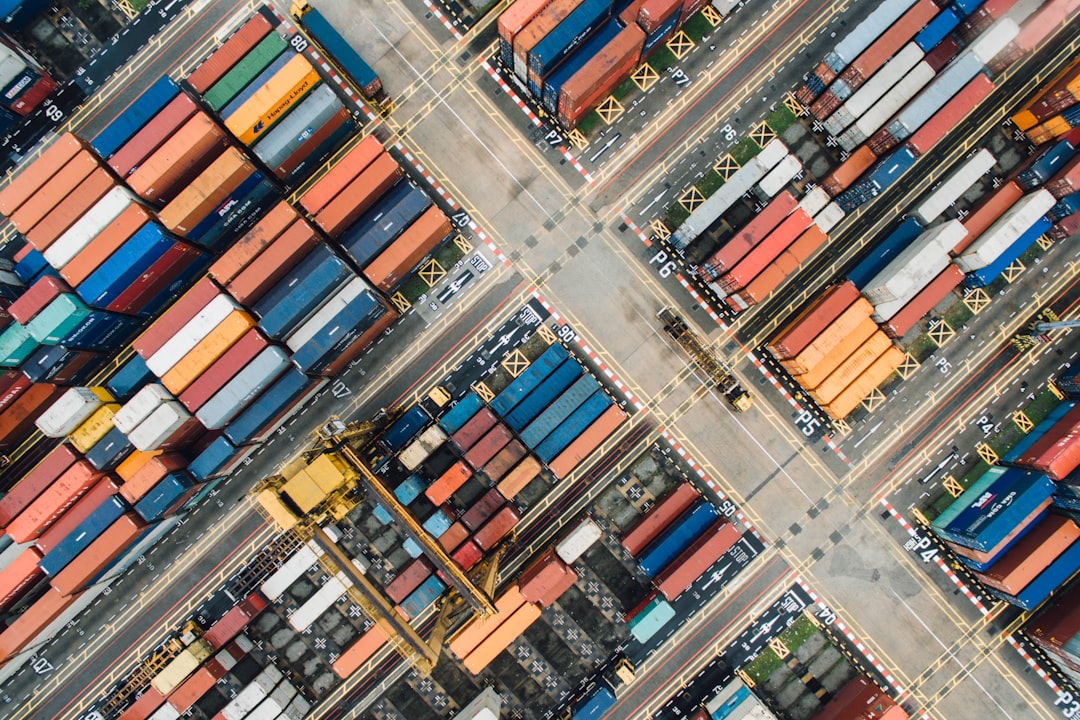
The international community will watch closely. The South China Sea is a global shipping route. Any escalation there affects trade. Japan, Australia, and European nations have all taken positions on the dispute. The Philippines’ formal protest gives them a clear document to cite if they choose to back Manila publicly.
China has not yet responded. Its foreign ministry typically rejects Philippine claims and repeats its position that the South China Sea is Chinese territory. A demarche will not change that stance. But it does force Beijing to respond in writing, not just through state media statements.
Back in Manila, the Department of Foreign Affairs is working to keep the public informed. Villanueva’s transparency — speaking on the record about a diplomatic action that could have been kept quiet — suggests the government wants domestic support for its position. The West Philippine Sea is a national issue. Voters care about it.
What comes next is uncertain. The Philippines could refer the matter to international bodies. It could push for a multilateral statement at the United Nations. It could simply wait for China’s reply. None of those options are quick. Diplomatic protests take time to work — if they work at all.
For now, the paper trail is growing. Manila has its objections on the record. The world has been told. The ball is in Beijing’s court.