Bikaner C-Section Complications: A System Under Scrutiny
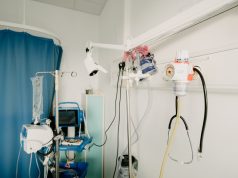
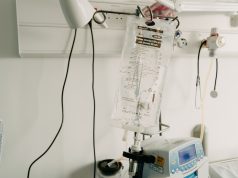
Six women are in intensive care in Bikaner. Their kidneys are failing after caesarean deliveries at PBM Hospital. Dialysis runs regularly. The hospital has assembled teams from nephrology, gynaecology and medicine. Nobody yet knows why.
This is not a single doctor error. It is a systemic failure unfolding in real time. The principal of Sardar Patel Medical College, Dr Surendra Verma, has ordered a probe. The committee will hunt for the cause. But the damage is already done. Families are frightened. Trust is broken.
The women were fine after their C-sections. Then urine output dropped. Kidneys began shutting down. Relatives like Lekhram describe a sudden, inexplicable turn. The medical team now monitors every patient in the ICU. Professor Jitendra Falodiya insists they are under expert care. That is cold comfort for women who came to deliver babies and now fight for their own lives.
Bikaner’s PBM Hospital is a major public facility. It serves a vast, poor region. When things go wrong here, the ripple effects hit hard. The state government will face questions. The health department will demand answers. But the real pressure comes from the wards. Families want a fair inquiry. They want guarantees this will not happen again.
The probe will likely focus on infection control, drug protocols, surgical hygiene. C-sections are common in India. Post-surgical complications are not. Six patients from one operating theatre or one ward points to a shared source. Contaminated equipment. Tainted fluids. A breakdown in sterile procedure. The committee must trace every step.
Hospital Superintendent Dr B C Ghiya says monitoring is continuous. That is the standard response. But continuous monitoring did not prevent this. The system reacted after the crisis hit. That is the pattern in stretched public hospitals. Resources go to treatment, not prevention. Staff work with outdated gear. Oversight is thin. The patients pay the price.
Kidney failure after surgery is rare but devastating. Dialysis buys time. Recovery depends on how fast the cause is found and removed. If the source is a contaminated batch of something — saline, anaesthetic, antibiotics — the same problem could recur. The hospital must isolate the trigger now.
Relatives are angry. They watched their women go from healthy to critical in hours. They demand accountability. That anger is legitimate. The hospital owes them a clear explanation. Not bureaucratic language about probe committees. Real answers.
The Bikaner case is a warning. Public hospitals across Rajasthan face the same pressures. Same caseloads. Same budget constraints. Same risk of a silent failure that suddenly erupts. This probe will set a precedent. If it is thorough and transparent, it can restore some faith. If it is slow or opaque, the damage will spread.
Six women lie in ICU beds. Their families wait. The doctors work. The committee prepares its report. That report must be honest. Because the next patient who walks into PBM Hospital for a C-section deserves to know the truth. Her life may depend on it.