The Philippines, February 9, 2023 — infopulsetoday.com — Thirty years ago, the American flag came down at Clark Air Base and Subic Bay. The Philippines told the United States to leave. Now, Washington is quietly moving back in.
The difference is China. On February 2, Manila and Washington announced a deal that opens four more Philippine military camps to rotating batches of U.S. troops.
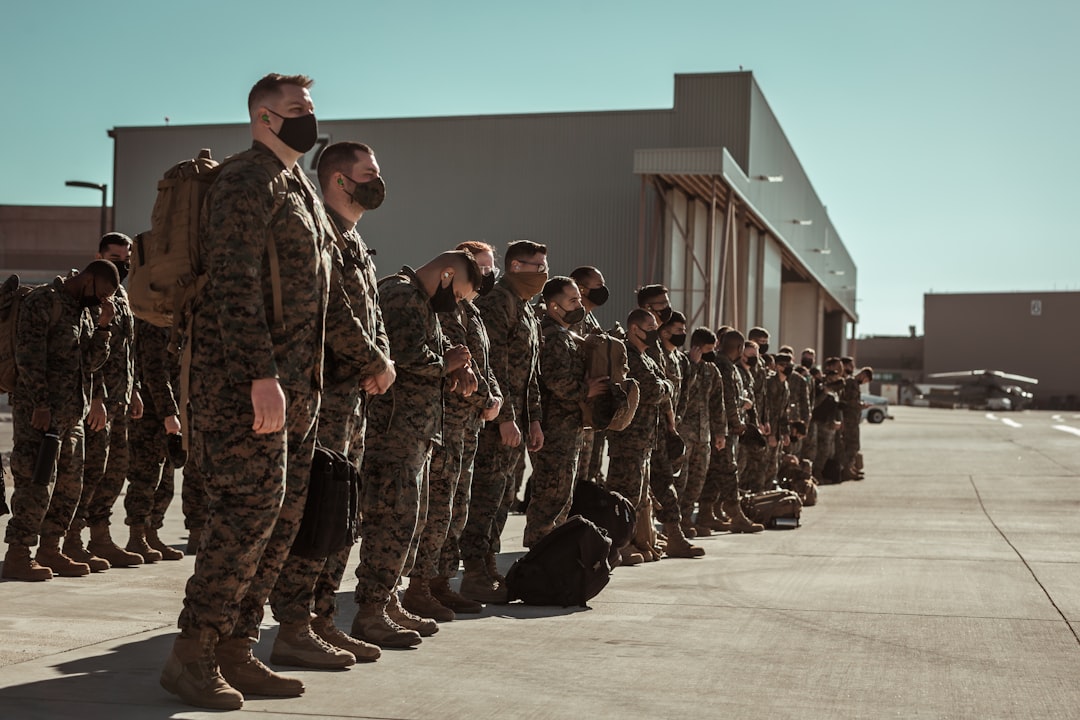
That brings the total to nine bases American forces can use under the 2014 Enhanced Defense Cooperation Agreement. Construction is already underway — barracks, warehouses, the kind of infrastructure that houses soldiers for the long haul. This is not a small shift.
It is a strategic reversal. The Philippines, once fiercely protective of its sovereignty after decades of American bases, is now inviting the U.S. military to build permanent facilities on its soil.
The reason is straightforward: Beijing has been pushing hard in the South China Sea, and Manila feels the pressure. The four new locations were chosen with specific military logic. They give U.S. forces a geographic spread across the archipelago, positioning them to respond quickly to any confrontation in the South China Sea.
That waterway is a tinderbox. The Philippines, China, Vietnam, Malaysia, Brunei, and Taiwan all have overlapping claims. Chinese vessels have rammed Philippine supply ships.
Beijing has built artificial islands and armed them. Andrea Chloe Wong, a political scientist based in Manila, said the base placements ensure the U.S. military can maintain the presence needed to protect regional interests.
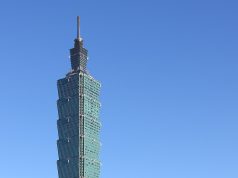
She did not specify which interests, but the context is clear: deterring Chinese aggression in the South China Sea and, beyond that, signaling resolve over Taiwan. Beijing views Taiwan as part of its territory and has explicitly threatened force to bring the island under its control. That threat hangs over every alliance negotiation in the region.
For the Philippines, the calculation is blunt: China is a neighbor and a trading partner, but also a military rival with territorial ambitions. The U.S. is a distant power with a history of leaving.
Yet Manila is betting on Washington’s return. The 2014 agreement laid the legal groundwork. It allowed American forces to rotate through Philippine bases, but for years the arrangement was modest.
Now construction is accelerating. The U.S. is funding barracks and warehouses to support a sizable number of visiting troops. The language in the announcement was careful — “rotating batches” — but the infrastructure suggests permanence.
What this means for the region is a hardening of alliances. The U.S. is building an arc of military partnerships across Asia, from Japan and South Korea to Australia and now the Philippines.
Each agreement adds a piece to a containment strategy aimed at China. The Philippines, once the weak link in that chain, is now a central node. There are risks.
The Philippine public has historically been skeptical of a large U.S. military presence. The 1991 withdrawal followed a vote by the Philippine Senate to reject a new bases treaty.
Nationalist sentiment runs deep. The current government under President Ferdinand Marcos Jr. has taken a different line, but domestic opposition could grow if tensions with China escalate into open conflict. For now, the deal is done.
The camps are being built. The troops will come. The South China Sea remains a flashpoint, and the Philippines has chosen its side.