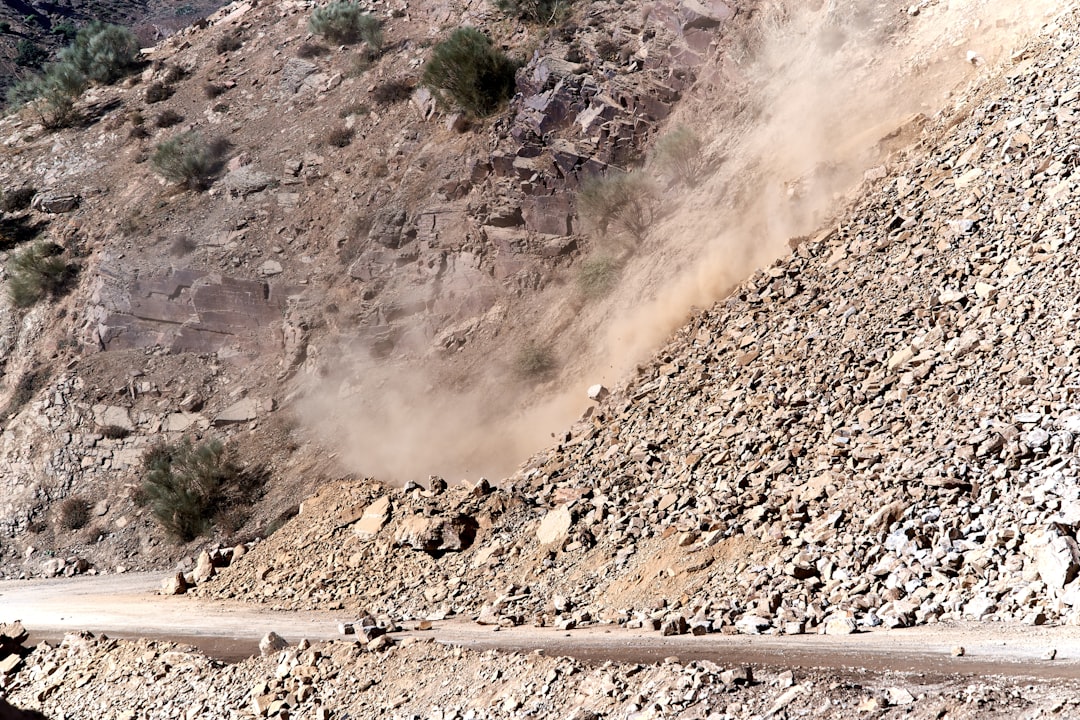
Sikkim, June 14, 2024 — infopulsetoday.com — More than a thousand tourists are now cut off across Sikkim, a state where the mountains rise so steeply that a single road often means the difference between access and isolation.
Heavy rains and landslides have killed at least six people. The stranded visitors, many of them trekkers in remote areas, now face shortages of food, water, and medical care. This is not a new problem.
Sikkim’s geography — alpine in the north, subtropical in the south, home to Kangchenjunga, India’s highest peak — makes it a magnet for adventure tourism. That same geography, with its narrow valleys and unstable slopes, turns every monsoon into a gamble.
The current disaster is the latest losing hand.
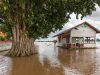
The capital, Gangtok, has not been spared. Landslides and flooding have hit parts of the city.
Its infrastructure, better than in outlying districts, is still buckling under the strain. Roads are blocked. Communication networks are down.
Authorities have issued warnings telling people to stay indoors and avoid travel to affected areas.
The Indian military has been deployed. That is a measure of how bad things are.
Rescue teams are working to evacuate people and deliver relief, but the terrain fights them every step.
What is at stake here goes beyond the immediate toll of six dead and a thousand stranded. Sikkim’s economy depends on tourism.
Every trekker who cannot get out, every road that stays closed, every tourist who cancels a trip because of the news — those are real losses.
The state’s fragile ecosystem, already under pressure from development and climate shifts, takes another hit every time a landslide scarifies a hillside. This is a place where the monsoon is not an inconvenience. It is a recurring threat.
The same rains that feed the forests and fill the rivers also trigger the slides that bury roads and, sometimes, people. The state government has issued advisories.
The military is helping.
But the fundamental problem remains: Sikkim’s beauty and its danger come from the same source. For the stranded tourists, the immediate risk is clear.
Food and water run low. Medical help is hard to reach. For the state, the risk is longer-term.
Each disaster erodes confidence.
Each season of heavy damage raises questions about whether the infrastructure can keep up, whether the warnings are enough, whether the rescue capacity matches the terrain. The death toll stands at six.
That number could rise.
Rescue operations are ongoing. The military is on the ground.
But in a place where a single washed-out road can isolate an entire valley, the margin for error is razor-thin.