Connemara, County Galway, January 24, 2025 — infopulsetoday.com — The storm that tore through Connemara on January 24th has left more than just a provisional wind gust of 183 km/h in the record books.
It has laid bare a hard question: whether Ireland’s infrastructure can handle the weather that is coming. The gust, if confirmed, would smash the country’s previous wind speed record.
The mean wind speed hit 135 km/h.
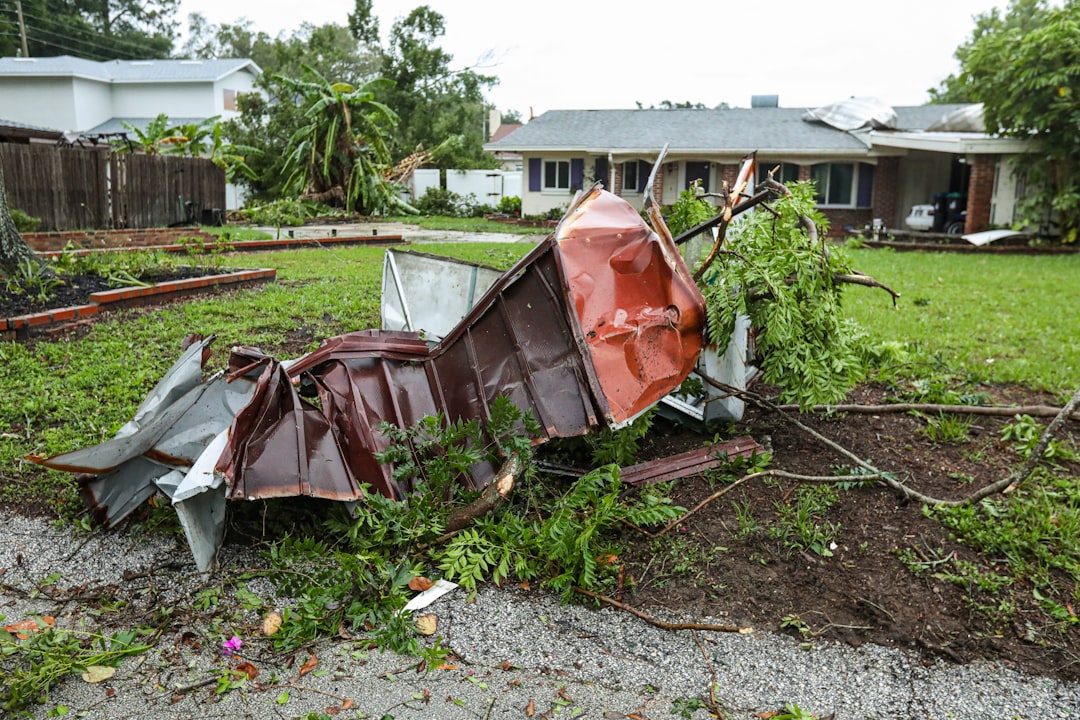
Those numbers are not abstract. In Connemara, County Galway, they meant roofs peeled back, trees down, power lines snapped.
Recovery is just beginning.
This is not a one-off. The storm system was powerful, yes. But the pattern is what worries meteorologists and planners.
Wind gusts — those sudden, violent blasts lasting under 20 seconds — are a standard feature of any big storm. The report on this event noted that gusts are more common over rough land and around high buildings.
Connemara has plenty of rough land.
The question is how much more of this the built environment can take. Infrastructure resilience is now the live issue.
Roads, the electrical grid, housing stock — all were tested. Some failed. The damage assessment is ongoing, but the early signs point to vulnerabilities that cannot be patched with quick fixes.
If record-breaking winds become more frequent, the cost of repairs will climb.
So will the disruption. There is another consequence, less immediate but no less important.
The storm has sharpened the debate on energy.
Ireland has abundant wind. That same resource that tore through Connemara on January 24th is also a strategic asset.
Policymakers and industry leaders are pointing to this event as a reason to push harder on renewable energy.
The logic is direct: harness the wind, reduce dependence on imported fossil fuels, stabilize costs. The report made clear that renewable energy can enhance Ireland’s energy security and lower prices. The storm made the case concrete.
But there is tension here. The same wind that can power turbines can also wreck them.
Building wind farms that survive extreme gusts is not cheap.
The technology exists. The investment required is large.
The storm has made that investment harder to ignore. Environmental stewardship is part of the conversation too. Connemara is not just a weather station.
It is a landscape people value.
Preserving it means preparing for the storms that will hit it. The report tied the storm directly to the need for a cleaner energy mix that protects natural beauty.
That is not rhetoric.
It is a practical goal: a grid that does not fail when the wind blows hard, and a countryside that is not scarred by the aftermath. For now, the people of Connemara are cleaning up.
The provisional numbers will be checked.
Records may fall. But the real work is longer term. The storm on January 24th was a test.
The results are not yet final. What is clear is that the system — the infrastructure, the energy policy, the environmental planning — will have to change.
The wind is not going to stop.