A city built on trade now faces a different kind of reckoning. In General Santos, the commercial heart of the southern Philippines, the ground did something on Monday that no market forecast or shipping schedule could have predicted. It shook, violently, and kept shaking.
The earthquake that struck off Mindanao has killed at least 37 people. That number, still provisional, is the cold arithmetic of a disaster that unfolded in seconds. More than 32,000 residents have been displaced. They are the ones who walked out of homes that are no longer safe, or who walked away from homes that are no longer there.
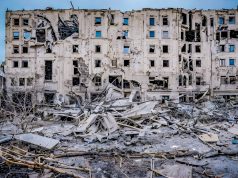
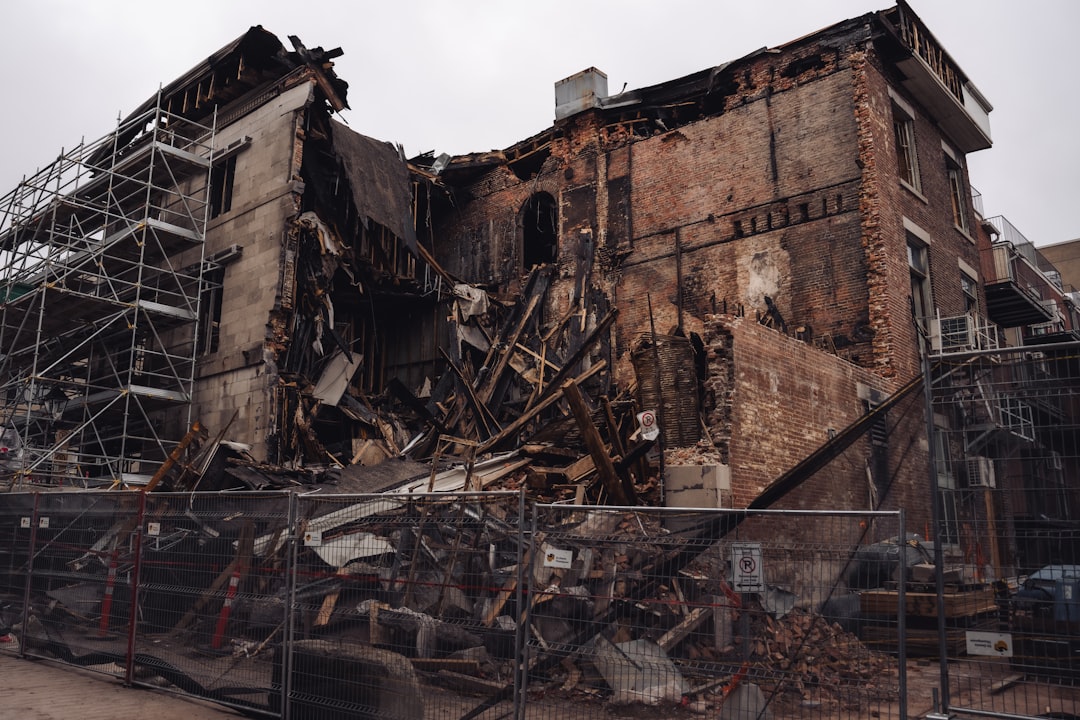
The quake centered offshore, but its force traveled inland without hesitation. In General Santos, buildings that had stood for decades as landmarks of the region’s economic rise were reduced to rubble. Roads, the arteries that move goods and people through this major commercial zone, are now blocked by debris. Power lines are down. The city’s infrastructure, the basic framework that makes daily life possible, is severely damaged.
This damage is not just a problem for engineers and utility crews. It is a barrier. Emergency responders are trying to reach people trapped under collapsed structures, but the city itself is working against them. A blocked road is not an inconvenience when someone is bleeding beneath a slab of concrete. It is a wall. A downed power line is not a repair ticket. It is a hazard that slows every rescue team moving through the neighborhood.
The Philippine government has deployed emergency crews. Rescue efforts are underway. But the full extent of the destruction is still coming into view, and with each new assessment, the potential for a higher casualty count grows. No one knows what the coming days will bring. That is not a dramatic flourish. It is the honest position of a region that has just had its ground pulled out from under it.
Survivors describe the moment in plain terms. Their homes were swaying. Not the gentle sway of a ship at anchor, but a violent, involuntary motion that turns a house from a shelter into a trap. For thousands, that swaying was the signal to run. For at least 37 people, it was too late.
The international community is watching. The United States, a key ally in Southeast Asia, has a long history of providing humanitarian assistance to the Philippines. Given the scale of this disaster, it is likely that aid will flow from Washington as it has after previous earthquakes and typhoons. The relationship between the two countries is strategic, but in moments like this, it becomes logistical. Supplies. Personnel. Coordination. The machinery of relief.
But machinery moves slowly. The people of General Santos and the surrounding areas are living through the hours between the initial shock and the arrival of organized help. They are digging through rubble with their hands. They are sleeping in evacuation centers or in the open. They are waiting to hear if the shaking is truly over, or if the earth has more violence in store.
The earthquake has killed. It has displaced tens of thousands. It has broken the city’s spine of roads and power lines. The recovery, when it comes, will be measured in months and years, not days. For now, the only certainty is the damage already done, and the hard work of counting the cost.