Baghdad, January 7, 2020 — infopulsetoday.com — The United Nations Security Council could not bring itself to condemn the storming of the U.S. embassy compound in Baghdad on New Year’s Eve. Twenty-seven other nations signed a separate censure. But the Council itself, the world’s premier body for peace and security, stayed silent.
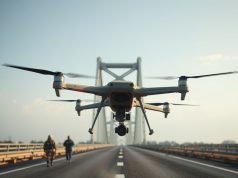
That silence came with consequences. Hours later, a U.S. drone strike killed Iranian General Qassem Soleimani at Baghdad airport.
The regional crisis deepened. The proposed statement, meant to contain that crisis, never saw the light of day. China and Russia blocked it.
Under Security Council rules, any of the five permanent members can veto a press statement. Beijing and Moscow signaled their refusal by phone on January 6, according to diplomats.
The draft text had been short. It affirmed the “inviolability” of diplomatic premises. It called the attack unacceptable.
The U.S. mission had circulated it after pro-Iranian militia supporters breached the embassy’s outer wall, set a guard post on fire, and launched at least two rockets into Baghdad’s Green Zone. The U.S. mission to the United Nations did not mince words. “Not allowing the Security Council to issue the most basic of statements show the inviolability of diplomatic and consular premises once again calls the Council’s credibility into question.” That credibility is now damaged.
The question is whether it can be repaired. China’s ambassador, Zhang Jun, pushed back.
He rejected the accusation that his delegation had endangered diplomats. “China firmly supports the protection of the safety of foreign missions in accordance with international law,” he told reporters at UN headquarters. The attack itself was not a small affair.
The embassy compound was burning. Rockets hit the area.
American diplomats were inside. Twenty-seven nations, a fraction of the UN’s 193 member states, signed a separate censure. That number is telling.
The vast majority of the world’s countries did not sign anything. They stayed on the sidelines. The fallout touches more than just the UN.
The United States and Iran are now closer to open conflict. The Soleimani strike was a direct response to the embassy attack and the Council’s failure to act.
The U.S. administration made that connection clear. The regional crisis that the statement had been meant to contain is now the regional crisis that exists. What comes next is uncertain.
The Security Council has shown it cannot agree on even the most basic principles. The inviolability of diplomatic premises has been a cornerstone of international law for centuries.
If that principle cannot be defended by the Council, what can? The attack also raises practical questions for every embassy in volatile capitals. If the UN cannot guarantee a basic condemnation of a breach, what protection does international law offer?
The answer, after January 7, is less than it was before. China and Russia have their own reasons. Both have permanent seats on the Council.
Both have veto power. They used it.
The United States accused them of jointly blocking the statement. The accusation stuck. The American embassy in Baghdad remains.
The Green Zone is still a fortified area. But the attack happened.
The Security Council did nothing. The drone strike followed. The region is now more dangerous than it was on New Year’s Eve.
That is the legacy of the failed statement. A piece of paper that was never issued. A condemnation that was never spoken.
A crisis that was not contained.