









Money & Finance
Home Money & Finance
Personal finance tips, investment strategies, and market analysis. Expert guidance on money management, wealth building, and financial independence.

Three nations to be largest sovereign sukuk issuers
Moody's Investors Service predicts Malaysia, Indonesia, and Turkiye will become the largest sovereign sukuk issuers in 2023-2024. Malaysia's fiscal deficit is expected to decrease to around 5% of GDP, supporting annual sovereign sukuk issuance of US$20-22 billion.
Asian FX, stocks rise as strong U.S. GDP data aids risk...
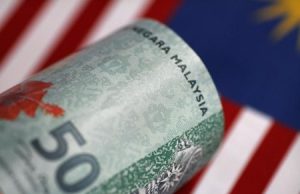
Asian financial markets show positive momentum as U.S. economic data boosts investor confidence. The Philippine Peso and Malaysian Ringgit strengthen, reflecting robust economic performance and improved regional market outlook. Both currencies experience significant gains in early January, driven by strong economic indicators and renewed investor optimism.

Asia stocks edge up despite global growth worries.
Asian markets show mixed performance as Hong Kong and China stocks rise, despite worries about economic slowdown. The MSCI Asia-Pacific index edges up, with Hang Seng surging over 2% following China's COVID policy relaxation. Australian and Japanese markets experience declines, reflecting ongoing global economic uncertainties.

Sarawak targets revenue of RM11bil by 2023
Sarawak aims to achieve a record revenue of RM11 billion in 2023, with approximately RM5.25 billion from taxes. The state's income will come from diverse sources including crude oil, LNG, palm oil, and other industrial sectors.

KLCI falls as investors take profit, ringgit at 4.4760
The Malaysian stock market experienced a 1% decline with the KLCI index, while the ringgit reached a three-month high at 4.4760. Foreign investors returned to buying stocks, and potential political developments could drive pro-growth measures and domestic reforms.
Malaysian banks’ loan growth to stay at 5-6% in 2023 on...
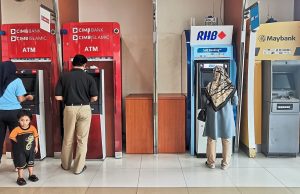
S&P Global Ratings predicts Malaysian banks will maintain loan growth between 5-6% in 2023, supported by a stable economy. The banking sector shows resilience with strong capitalization, 1.8% provisioning buffers, and a 14.3% common equity Tier 1 ratio, enabling banks to withstand potential asset quality pressures.

Malaysia unlikely to go into recession due to economic diversification
Malaysia's economy remains robust due to its diversified sectors, with services contributing 57% and manufacturing 24.3%. The country's reduced dependence on commodities and varied trading partners provide economic resilience against potential downturns.
Bank Negara raises OPR by 25bps to 2.5%, as expected
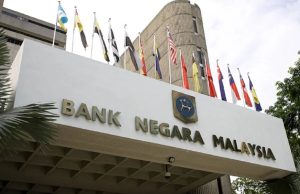
Bank Negara Malaysia's Monetary Policy Committee increased the overnight policy rate (OPR) by 25 basis points to 2.5% on September 8. This marks the third consecutive rate hike in 2022, bringing the year-to-date increase to 75 basis points. The move reflects improving economic conditions and inflation trends.

Bursa Malaysia snaps losing streak, ringgit weakens to 4.5028
Bursa Malaysia broke its losing streak on Wednesday, with the FBM KLCI index gaining 3.08 points to close at 1,491.35. The Malaysian ringgit weakened to 4.5028 against the US dollar, marking its lowest level since 1998. Trading volume reached 2.36 billion shares valued at RM1.62 billion.

Oil prices ease on symbolic OPEC+ output cut
OPEC+ and allied oil producers, including Russia, have slightly reduced their oil output for October, a modest 100,000 barrel per day decrease. This symbolic cut comes amid growing recession fears and falling crude prices, which have already dropped from June's $120 per barrel peak.