Spain, November 13, 2024 — infopulsetoday.com — Spain’s national weather agency, AEMET, has issued its maximum weather alert. That is the single most important fact in this story. It means the cold drop system now bearing down on the Province of Málaga, the Costa del Sol, and the Valencian Community is not a routine storm.
It is a threat serious enough that thousands of people living near river banks have already been told to leave their homes.
The evacuations are precautionary. That word matters.
Local authorities, working with national emergency services, are moving people out before the worst arrives, not after.
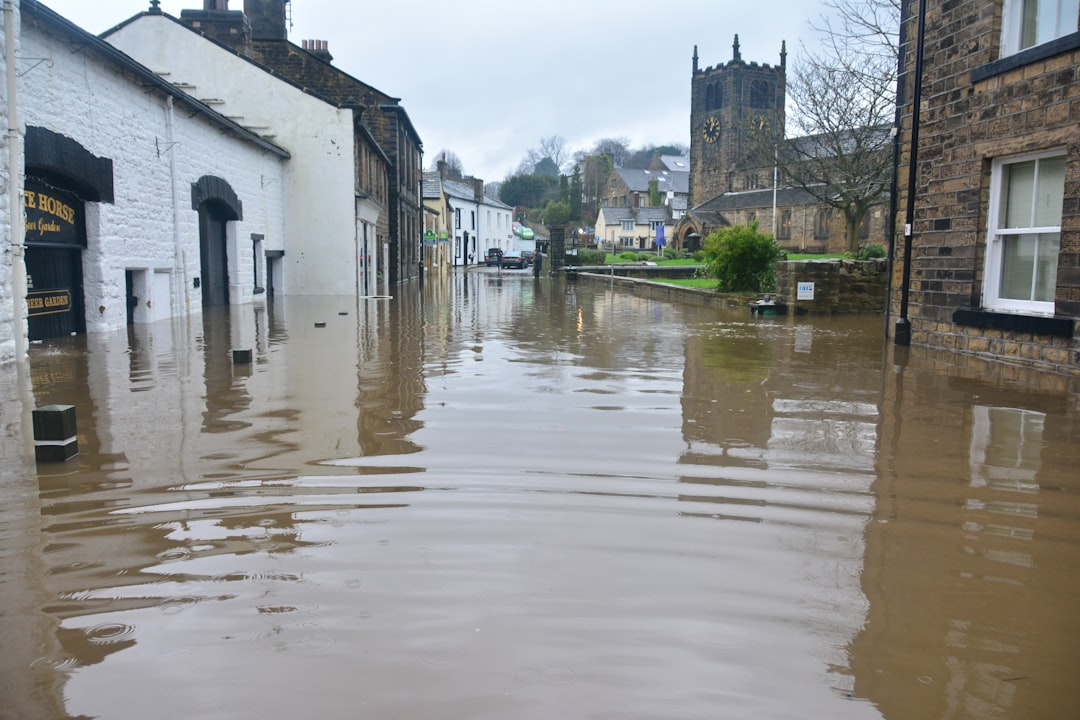
Flash flooding is the primary danger. AEMET’s top alert level signals that the agency expects conditions to meet or exceed the thresholds for catastrophic damage.
In a country where extreme weather is a recurring fact of life—Spain sits between the Mediterranean and the Atlantic, a geography that breeds violent seasonal shifts—this is the red flag that triggers mass relocation.
The affected regions hold a significant portion of Spain’s population. The Province of Málaga is a tourist magnet, its coastline and whitewashed villages packed with visitors. The Valencian Community draws crowds to its beaches and cities.
Both are now bracing. Social media is filling with updates and photos from residents and tourists watching the sky darken.
The storm system is moving in.
People are sharing what they see. This is not Spain’s first encounter with a cold drop—a *gota fría* in Spanish, a pocket of cold air aloft that collides with warm, moist Mediterranean air and dumps enormous amounts of rain in a short period.
The phenomenon is well understood. It has killed people before. The evacuations reflect that institutional memory.
The country’s emergency preparedness and response measures are being tested in real time.
What makes this event different from a typical autumn storm is the scale of the alert. Maximum.
AEMET does not use that level lightly.
When it does, the message to local governments is clear: assume the worst, act accordingly. The evacuations along river banks are the direct result.
Thousands of people are being moved.
That number alone tells you the storm system is large and slow-moving enough to threaten a wide area. The Province of Málaga and the Valencian Community are not remote hinterlands. They are densely settled, economically vital regions.
Evacuating thousands from river-side homes means disrupting lives, businesses, and tourism. The authorities are doing it anyway.
The cost of inaction, in a worst-case scenario, would be higher.
No official has yet reported deaths or injuries. The storm is still arriving.
The evacuations are happening now, as the system begins to make its presence felt. That timing is critical. It suggests that the monitoring systems and coordination between local and national agencies are functioning.
The alert went out.
People moved. Spain’s varied geography makes it prone to a wide range of weather patterns.
The interior bakes in dry summers.
The coasts get wet winters. The cold drop is a specific Mediterranean hazard, and it can turn a river bank from a scenic location into a death trap in hours.
The people being evacuated know this.
Many have lived through previous storms. Some may have lost property before. That is why they are leaving.
The storm system is the story. But the real news is the reaction to it.
AEMET’s maximum alert.
The coordinated evacuations. The thousands of empty homes along the rivers.
That is the measure of how seriously Spain is taking this event. The country has learned from past disasters. It is applying those lessons now.