The Strait of Hormuz is nine miles wide at its narrowest point. Through that gap, before the strikes, moved roughly a fifth of the world’s oil. Then the shooting started. Then the mines went in the water. Then the transponders went dark. And now, President Donald Trump says the United States Navy has been running a secret escort operation through it all.
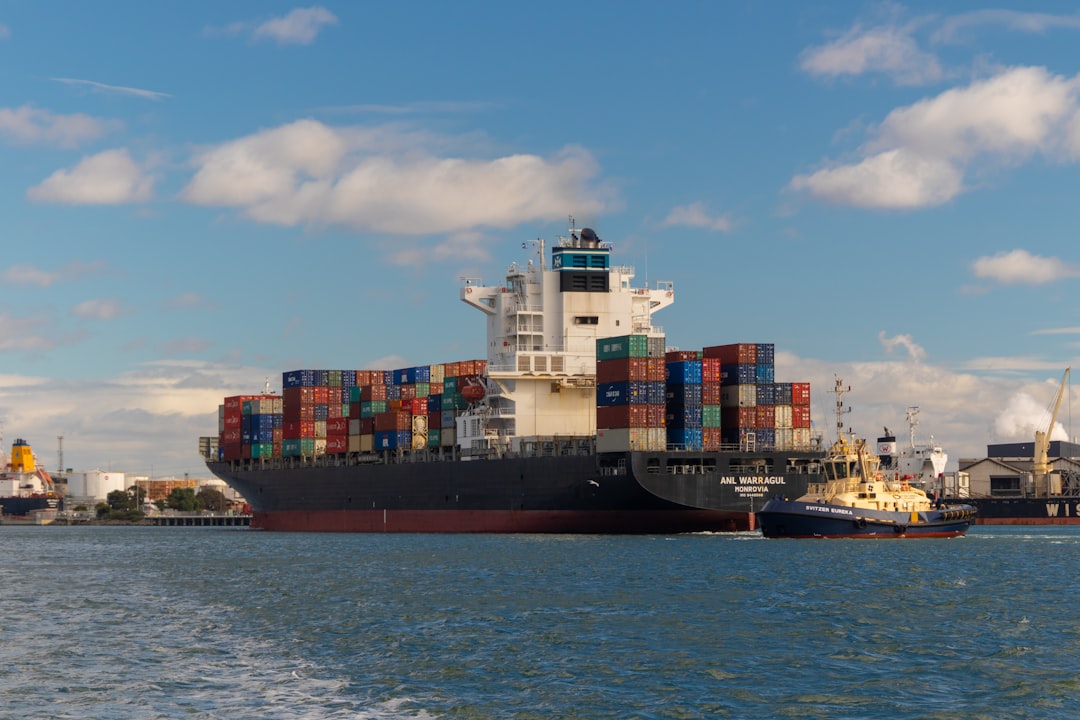
Trump announced the effort on June 10. He said the military has moved more than 200 commercial vessels and over 100 million barrels of oil through the strait since the 2026 crisis with Iran erupted into open conflict. He framed it as proof of who really controls the waterway. “The United States, not Iran, controls the Strait of Hormuz,” he said.
The numbers are his. CNBC and ABC News reported the announcement. Neither could independently verify the count of ships or barrels. The disclosure itself, verified or not, changes the public understanding of what the U.S. military has been doing in the Persian Gulf since the escalation.
That escalation was sharp. U.S. and Israeli strikes on Iran earlier this year triggered a cascade. Iran retaliated by attacking ships and mining the sea lane. Traffic through Hormuz plunged. Many vessels began sailing dark, switching off transponders to hide their positions. In a narrow waterway already crowded with naval assets, that is a recipe for collision as much as combat.
The stakes are concrete. Every barrel of oil that does not move through Hormuz is a barrel that does not reach a refinery. Every refinery that runs short is a refinery that cannot produce gasoline, diesel, jet fuel. Global petroleum supplies depend on that nine-mile chokepoint. When it chokes, prices move. When prices move, economies adjust. Recessions have started on less.
Trump’s secret operation, if the claimed scale is accurate, kept a significant share of that flow alive. One hundred million barrels is roughly a day of global consumption. Over the course of a crisis, that volume matters. It means refineries kept running. It means tankers kept moving, even if they moved under escort and in silence.
The operation also carries risk. Escorting commercial vessels through mined waters and past hostile naval forces is not a peacetime patrol. It is a combat mission. Every transit is a potential engagement. Every escort is a target. The fact that the military did it for months without public acknowledgment suggests the stakes were high enough to justify the hazard.
The Strait of Hormuz is not a symbolic piece of geography. It is a physical bottleneck where the world’s energy supply funnels through a narrow channel. Control of that channel is not an abstraction. It is the ability to let oil move or to stop it. Trump’s claim that the United States holds that control, backed by a secret military operation, is a direct statement of power. It is also a direct challenge to Iran’s stated goal of closing the strait.
The crisis is not over. The mines are still there. The transponders are still off. The tankers still need escorts. Trump’s disclosure may be a signal of confidence, a piece of political messaging, or both. But the operation itself, secret or not, was a response to a real problem: a chokepoint under attack and the global economy depending on its survival.