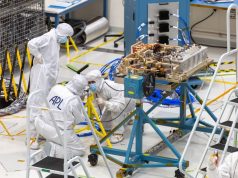
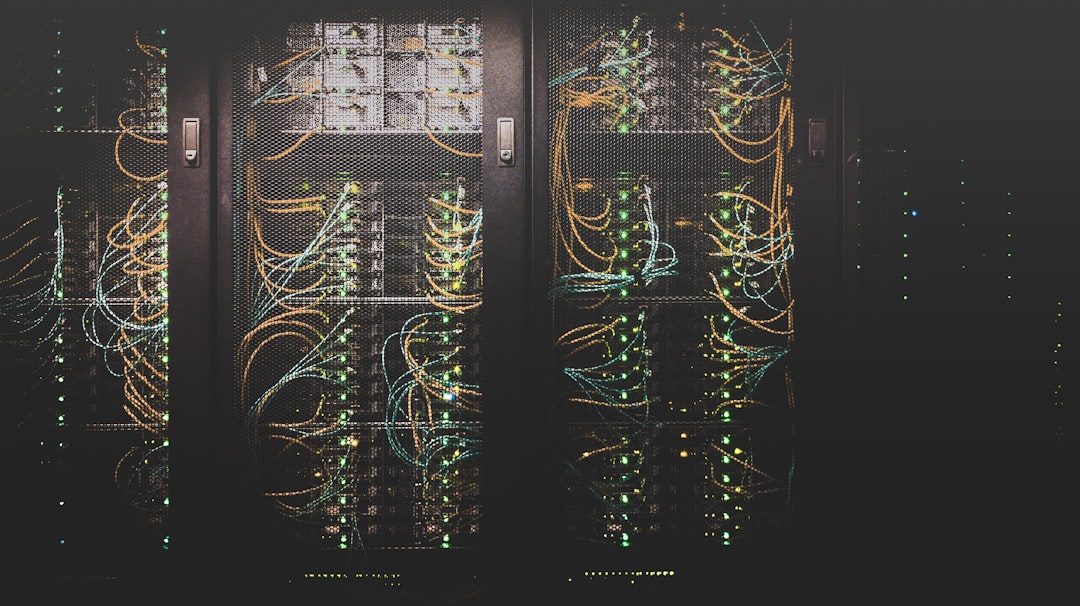
Goldman Sachs has a number: $7.6 trillion. That is what the investment bank estimates could be poured into artificial intelligence over the next five years. Most of that cash is not going to software or algorithms. It is going into concrete, steel, and silicon. Computing power and data centers eat up the bulk of the spending. Those data centers need energy grids. They need water supply. The AI boom is a physical construction boom as much as a technological one.
This year alone, U.S. investment in AI is expected to hit $750 billion. That is double the $375 billion spent last year. Next year, the figure could top $1 trillion. The numbers are staggering. They are also unprecedented. Companies developing AI technology and its applications are spending at a clip never seen before. They are training models. They are building infrastructure. The pace is accelerating.
The question that follows all this spending is simple: does it work for the broader economy? The answer hinges on productivity. If AI raises productivity rates faster than the costs of deploying it, the effects could be deflationary. Lower inflation typically leads to lower interest rates. That is the hopeful scenario. But there is another path. If the costs of deploying AI outrun its productivity gains, the result is higher inflation. Higher inflation means higher interest rates. The stakes are enormous.
Right now, no one knows which path we are on. The AI sector is still in its early phase of deployment. The data is not yet in. The next few years will be crucial. They will determine whether the AI boom becomes a force that eases pressure on households and businesses or a force that adds to it.
Consider what is at stake. Interest rates touch everything. Mortgages. Car loans. Corporate borrowing. Government debt. If AI drives rates down, it could unlock investment across the entire economy. If it drives rates up, it could choke off the very expansion it is supposed to fuel.
The infrastructure buildout itself carries risks. Data centers consume enormous amounts of electricity. They require massive cooling systems. Water is needed to keep servers from overheating. Energy grids are already under strain in many parts of the country. Adding AI demand could push them past their limits. That means more spending on grid upgrades. More spending on power generation. All of that feeds into the cost side of the equation.
Goldman Sachs is betting big on AI. So are the companies pouring hundreds of billions into it. They are not alone. Venture capital is flooding in. Public markets are rewarding AI-linked stocks. The momentum is real. But momentum does not guarantee outcomes.
The core tension is simple. AI promises to make workers more productive. It promises to automate tasks. It promises to generate insights faster than humans can. If those promises hold, the economy gets a productivity boost that outpaces the spending. If they fall short, the economy gets a massive bill with no offsetting gain.
There is no middle ground here. Either AI pays for itself or it does not. Either it lowers inflation and interest rates or it raises them. The next few years will tell the story. Until then, the spending continues. The bets keep getting larger. And the rest of the economy waits to see what happens.