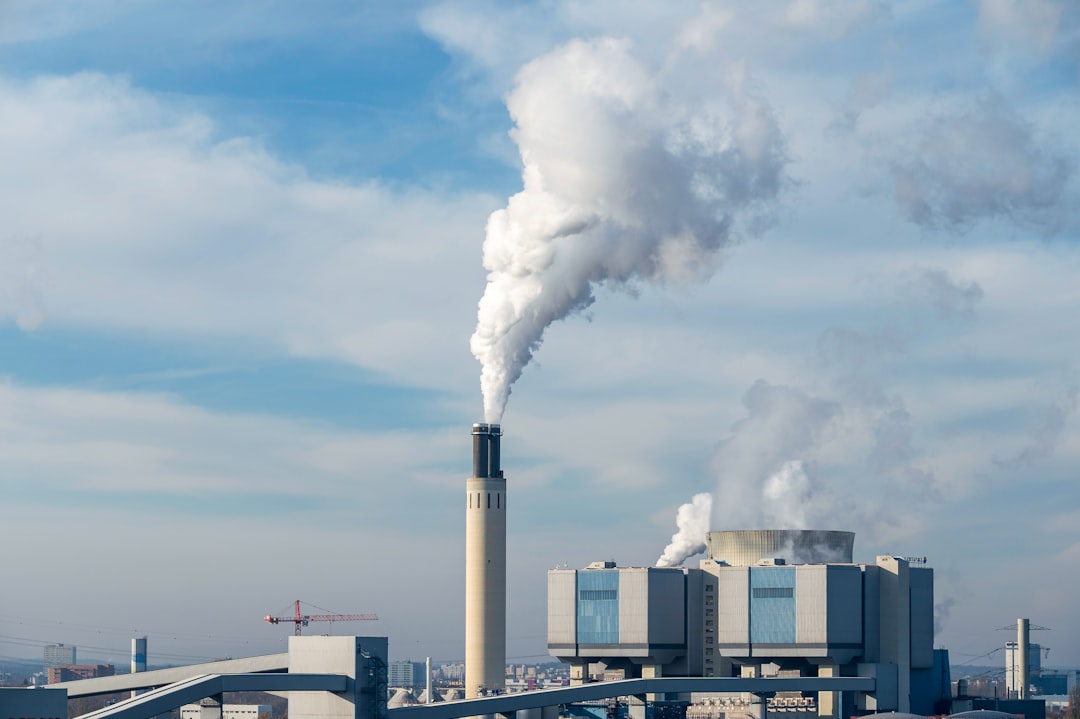
Three years after it stopped burning coal, the Liddell power station’s two massive chimney stacks — each roughly 5050 feet tall — were brought down last month. The demolition, carried out by AGL Energy with heavy machinery, collapsed the structures that had defined the skyline near Sydney. The towers fell in seconds. What took decades to build was gone in a cloud of dust.
The event marks more than the end of one plant. Liddell was decommissioned in 2023, three years after AGL first announced its closure. That lag between announcement and demolition tells the story of Australia’s energy transition: slow, deliberate, but now visibly accelerating. The chimneys were not just concrete and steel. They were monuments to an industrial era that powered Australian homes and factories for generations. Their fall is a physical symbol of what the country is leaving behind.
Australia has long been one of the world’s most coal-dependent developed nations. Coal-fired power stations supplied the bulk of its electricity for decades. But that is changing. The Liddell demolition is part of a broader, national shift toward renewable energy sources. The country is actively pursuing solar, wind, and hydroelectric projects. The goal is to reduce reliance on coal and cut carbon emissions. The demolition of a coal plant’s most visible features makes the abstract policy goal concrete. You can see it. You can hear it.
AGL Energy, the owner of Liddell, has positioned itself at the center of this transition. The company has been investing in renewable energy projects while gradually shutting down its older coal-fired plants. Liddell was one of them. Its closure and demolition are steps in a larger corporate strategy that aligns with national policy. The company is not alone. Across Australia, other energy providers are following a similar path. Coal plants are being retired. Renewable installations are rising in their place.
The demolition also raises the question of what comes next for the site itself. The land where Liddell stood, with its two fallen chimneys, is now available for redevelopment. Attention will turn to potential new renewable energy projects in the area. This is not an automatic process. Redeveloping former coal plant sites takes planning, investment, and community buy-in. But it is an important part of the broader transition. The same ground that once hosted coal-fired generation could host solar panels or battery storage. The physical infrastructure changes, and so does the economic base of the region.
The Liddell demolition is a milestone, but it is not the end of the story. Australia still generates a significant share of its electricity from coal. The transition is underway, but it is not complete. The collapse of the chimneys is a visual representation of progress. It shows that the shift from coal to renewables is real and that it is happening now. For the workers who operated the plant, for the communities that depended on it, and for the policymakers who pushed for change, the falling stacks are a moment to mark. The old era is over. The new one has begun.